12 Strategic Rhythms for Architecting a Sustainable Culture of Radical Generosity in the Modern Church

12 Strategic Rhythms for Architecting a Sustainable Culture of Radical Generosity in the Modern Church
In the rapidly evolving landscape of modern ministry, the traditional "passing of the plate" is no longer sufficient to sustain a scaling church. As congregations grow and the digital divide narrows, the way we approach stewardship must transition from transactional appeals to relational, system-driven rhythms. Radical generosity is not an accident; it is the result of intentional architecture. It requires a shift in mindset from "asking for money" to "inviting into a mission."
For many church leaders, the challenge lies in balancing the spiritual mandate of tithing with the practical realities of digital finance and economic shifts. How do we build a culture where giving is not a burden but a joyous expression of discipleship? The answer lies in the implementation of sustainable systems that honor the donor's journey while providing the church with the predictable resources needed for expansion.
In this comprehensive guide, we will explore 12 strategic rhythms that church leaders can implement to architect a sustainable culture of generosity. These are not merely fundraising tactics; they are discipleship frameworks designed to cultivate the heart of a steward within every member of your congregation.
1. Shift from Transactional to Relational Stewardship
The most fundamental rhythm in building a generous church is moving away from seeing giving as a series of one-off transactions. When a member gives, they are not just "paying a bill" or fulfilling a duty; they are investing in the kingdom of God. Leaders must consistently communicate the "why" behind the "what." This involves intentional storytelling that connects every dollar to a transformed life.
Practical Implementation: Instead of a generic "giving moment" during the service, feature a 60-second video of a child who was fed through the food pantry or a marriage that was saved through the counseling ministry. End the video with, "Your generosity made this possible." By focusing on the relationship between the giver and the mission, the church fosters a sense of partnership rather than obligation. Stewardship becomes an act of worship and a communal investment in the future.
2. Implement a Robust Multi-Channel Giving Infrastructure
Accessibility is the cornerstone of modern stewardship. In a world where people rarely carry cash or checks, a sustainable giving ecosystem must include diverse digital channels. This includes mobile apps, SMS-based "text-to-give" options, user-friendly web portals, and physical kiosks in the church lobby.
The key is to reduce the "friction" of the giving process. If it takes more than three clicks to give, you are likely losing potential contributions. Furthermore, each of these channels must be integrated into a single data pipeline (ideally via a platform like FaithBridge). This ensures that leadership has a unified view of the congregation's generosity, regardless of how the gift was delivered. A fragmented system leads to fragmented leadership and missed opportunities for pastoral care.
3. Prioritize and Incentivize Recurring Digital Pledging
Predictable revenue is the fuel for sustainable church growth. Encouraging members to set up recurring digital gifts—automated tithing—provides the church with a stable financial baseline. This rhythm allows for better long-term planning, staff hiring, and facility expansion, as it reduces the volatility of seasonal giving dips, such as the "summer slump" or holiday fluctuations.
Frame recurring giving as a spiritual discipline. Just as we prioritize our time through scheduled prayer or small group attendance, we should prioritize our resources through scheduled giving. Many churches find success in hosting "Recurring Giving Sundays," where they walk the congregation through the setup process on their phones, explaining how this simple act helps the church stay focused on the mission rather than the budget.
4. Practice Radical Financial Transparency
Trust is the currency of generosity. To architect a culture of radical giving, the church must practice radical transparency. This means going far beyond the legally required annual reports or business meetings. Modern givers, particularly Millennials and Gen Z, want to see exactly where their money is going and what impact it is having.
Recommendation: Provide quarterly "Impact Reports" that break down how funds were allocated across specific ministry areas—local outreach, global missions, staff support, and facility maintenance. Use infographics to make the data digestible. When people see that their resources are being managed with integrity and are producing tangible, measurable results, their confidence to give increases exponentially. Transparency isn't just about accountability; it's about invitation.
5. Develop a "Generosity Lifecycle" Onboarding Pathway
Just as you have a clear pathway for visitor integration and volunteer onboarding, you should have a pathway for stewardship integration. New members should be introduced to the church’s philosophy of generosity early in their journey—often during the membership class or new-comer orientation.
This isn't about asking for money immediately; it's about teaching the biblical foundations of stewardship as a part of the holistic discipleship process. Explain the "why" of tithing, the "how" of the church's systems, and the "what" of the ministry's impact. By setting expectations early and framing generosity as a core mark of a disciple, you normalize the practice before the "ask" even happens.
6. Personalizing the Stewardship Experience with Data Insights
With the help of advanced Church Management Systems (ChMS) and AI-driven insights, leaders can now personalize their stewardship communication. A one-size-fits-all approach is often ineffective. A first-time giver should receive a warm, handwritten note or a personalized video message from a pastor. A long-time legacy donor should be engaged in high-level vision casting.
Data analytics allow you to see where people are on their generosity journey. Are they "initial givers," "consistent givers," or "extravagant givers"? Acknowledging a giver’s specific journey makes them feel seen and valued by the leadership. This isn't about showing favoritism; it's about providing the right pastoral encouragement at the right time to move them toward deeper spiritual maturity in their finances.
7. Investing in Comprehensive Financial Discipleship
A church cannot be financially healthy if its members are in financial distress. Sustainable stewardship involves more than just asking for money; it involves teaching members how to manage the 90% they keep. By offering workshops on biblical budgeting, debt reduction, and wise investing, the church demonstrates that it cares more about the member’s financial health than their contribution.
When a church helps a family get out of debt, that family often becomes some of the most committed and generous supporters of the ministry. This holistic approach builds deep trust and long-term capacity for generosity. It positions the church as a resource for life, not just a recipient of funds. Consider partnering with organizations that provide financial curricula to make this a recurring rhythm in your small group ministry.
8. Consistently Celebrating "Generosity Wins"
Publicly celebrating the impact of generosity creates a positive feedback loop within the congregation. These "wins" should be shared regularly through every communication channel—social media, email newsletters, and during the weekend services. The goal is to show, not just tell, what the collective sacrifice of the community is achieving.
Share stories of the "Generosity Fund" in action: a family that avoided eviction because of the church's benevolence, a local school that received new supplies, or a water well drilled in a developing nation. When the congregation sees the fruit of their sacrifice, it reinforces their identity as a generous community. It transforms giving from a private duty into a public celebration of God's provision through His people.
9. Architecting Legacy and Planned Giving Systems
For long-term institutional sustainability, churches must look beyond the weekly tithe and the annual budget. Implementing a legacy giving program—where members can include the church in their wills, trusts, or estate plans—ensures that the mission continues for generations to come.
This rhythm requires a higher level of maturity and specialized communication. It involves talking about end-of-life planning and long-term stewardship. While it may not provide immediate cash flow, legacy giving offers the most significant potential for long-term ministry endowment. Work with financial advisors or foundations to provide your members with the tools they need to leave a kingdom legacy.
10. Seasonal "Vision Campaigns" with Concrete Endpoints
While recurring giving provides the baseline, seasonal "Vision Campaigns" provide "mountain-top" moments for the congregation. These campaigns—often centered around a specific capital project, a new campus launch, or a major outreach initiative—allow members to stretch their generosity for a tangible, shared goal.
A successful vision campaign must have a clear "why," a defined timeline, and a specific financial target. It should be an invitation to do something together that none of us could do alone. These moments of collective sacrifice often spark a permanent increase in regular giving as members experience the joy of seeing a big vision come to life.
11. Utilizing Data-Driven Stewardship Analytics
To scale a church sustainably, leaders must move beyond gut feelings and look at the data. Are younger generations giving at the same rate as the older generation? Is there a segment of the church that has significantly decreased their giving over the last six months?
Using stewardship analytics (like those integrated into the FaithBridge dashboard) allows leadership to identify these patterns proactively. If giving drops in a specific demographic, it might signal a need for targeted pastoral care or a shift in communication strategy. Data isn't just about numbers; it's about people. It tells the story of the congregation's engagement and allows leaders to shepherd them more effectively.
12. Modeling Radical Generosity from the Leadership
Finally, a culture of generosity is caught, not just taught. The leadership team—the senior pastor, the elders, the board, and the staff—must model the same radical generosity they ask of the congregation. If the leadership is not tithing and giving above and beyond, the congregation will eventually sense the hypocrisy.
When the "first-fruits" principle is lived out at the helm, it provides the moral authority necessary to lead the church into a lifestyle of sacrifice. Leaders should be open about their own stewardship journey (without being boastful), sharing how God has provided as they have prioritized His kingdom in their own finances.
Conclusion: Designing for a Generous Future
Architecting a culture of radical generosity is not about manipulation or clever fundraising; it's about alignment. It is about aligning our systems, our communication, and our hearts with the generous nature of the Creator. By implementing these 12 strategic rhythms, your church can move toward a sustainable financial future where resources never stand in the way of the mission.
As your church scales, remember that every system you build—every digital giving portal, every impact report, every financial workshop—is a trellis designed to support the growth of the vine. A well-architected stewardship ecosystem ensures that the vine of your ministry can flourish, reaching further into the community and transforming more lives than ever before. The future belongs to the generous.
Try FaithBridge Today
Building a sustainable giving ecosystem requires the right tools to manage the complexity of a scaling church. FaithBridge is designed specifically for forward-thinking ministries, offering integrated data pipelines, multi-channel giving infrastructure, and AI-driven stewardship analytics that help you architect a culture of generosity with ease and integrity.
Ready to transform your church’s financial future and empower your congregation for radical impact? Click here to learn more about how FaithBridge can power your ministry.
Frequently asked questions
How can we encourage recurring giving in our church?
Frame recurring giving as a spiritual discipline and simplify the process through multi-channel digital platforms that allow for automated tithing.
Why is financial transparency important for stewardship?
Trust is the currency of generosity. Providing clear impact reports shows donors how their resources are transforming lives, which increases their confidence to give.
What is the difference between transactional and relational stewardship?
Transactional stewardship focuses on the act of giving as a duty, while relational stewardship connects giving to the mission and the impact on the community.
Related articles

Giving & Stewardship
Restoring Trust: A Strategic How-To Guide for Architecting Radical Financial Transparency in Modern Ministry
Church Growth
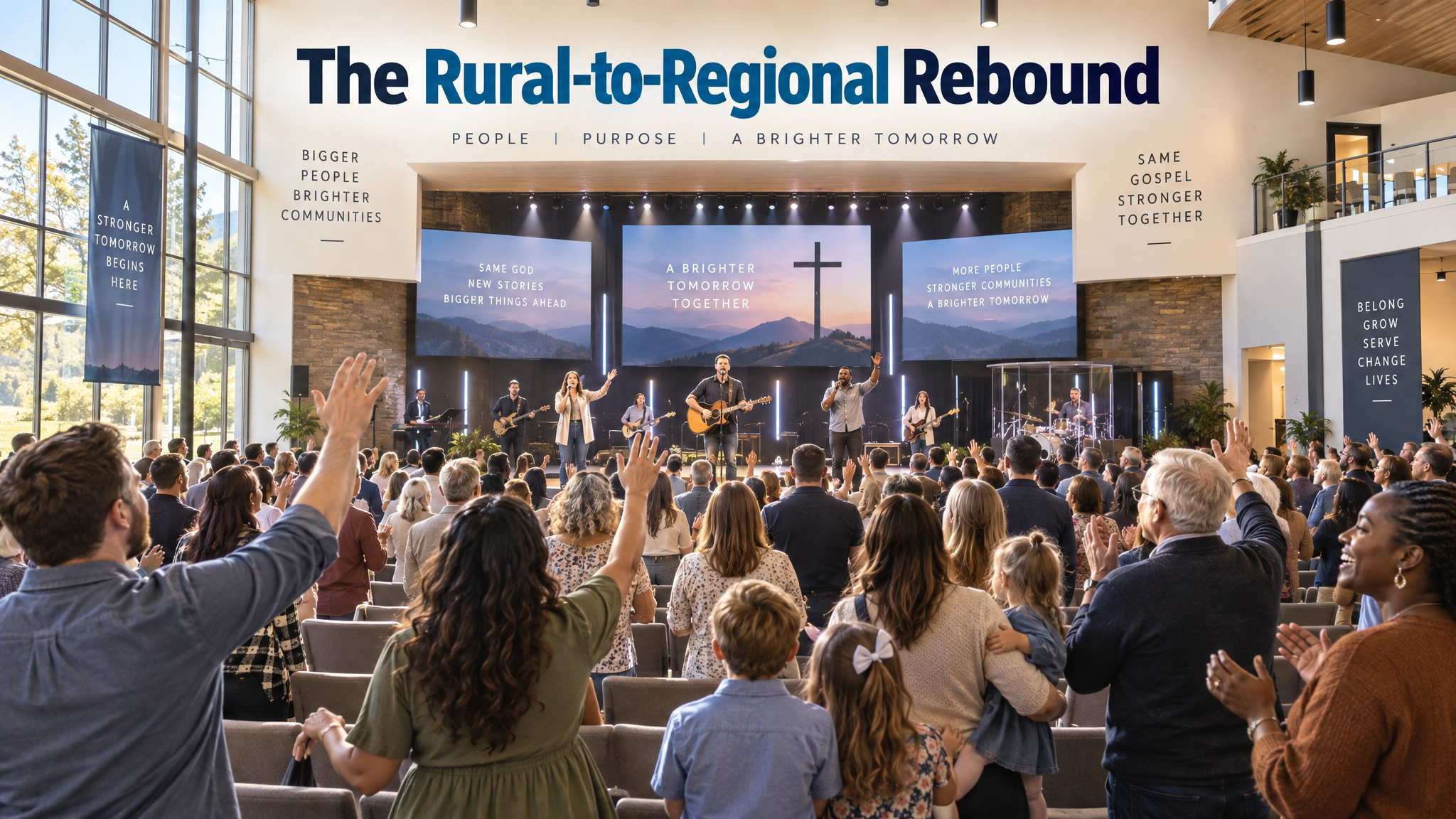
The Rural-to-Regional Rebound: A Case Study on Scaling Sustainable Church Growth Through Digital Integration at Northwood Community Church

Discipleship
The Discipleship Engine: A How-To Guide for Designing Scalable Micro-Group Ecosystems for Sustainable Spiritual Formation
Explore FaithBridge