The Discipleship Engine: A How-To Guide for Designing Scalable Micro-Group Ecosystems for Sustainable Spiritual Formation
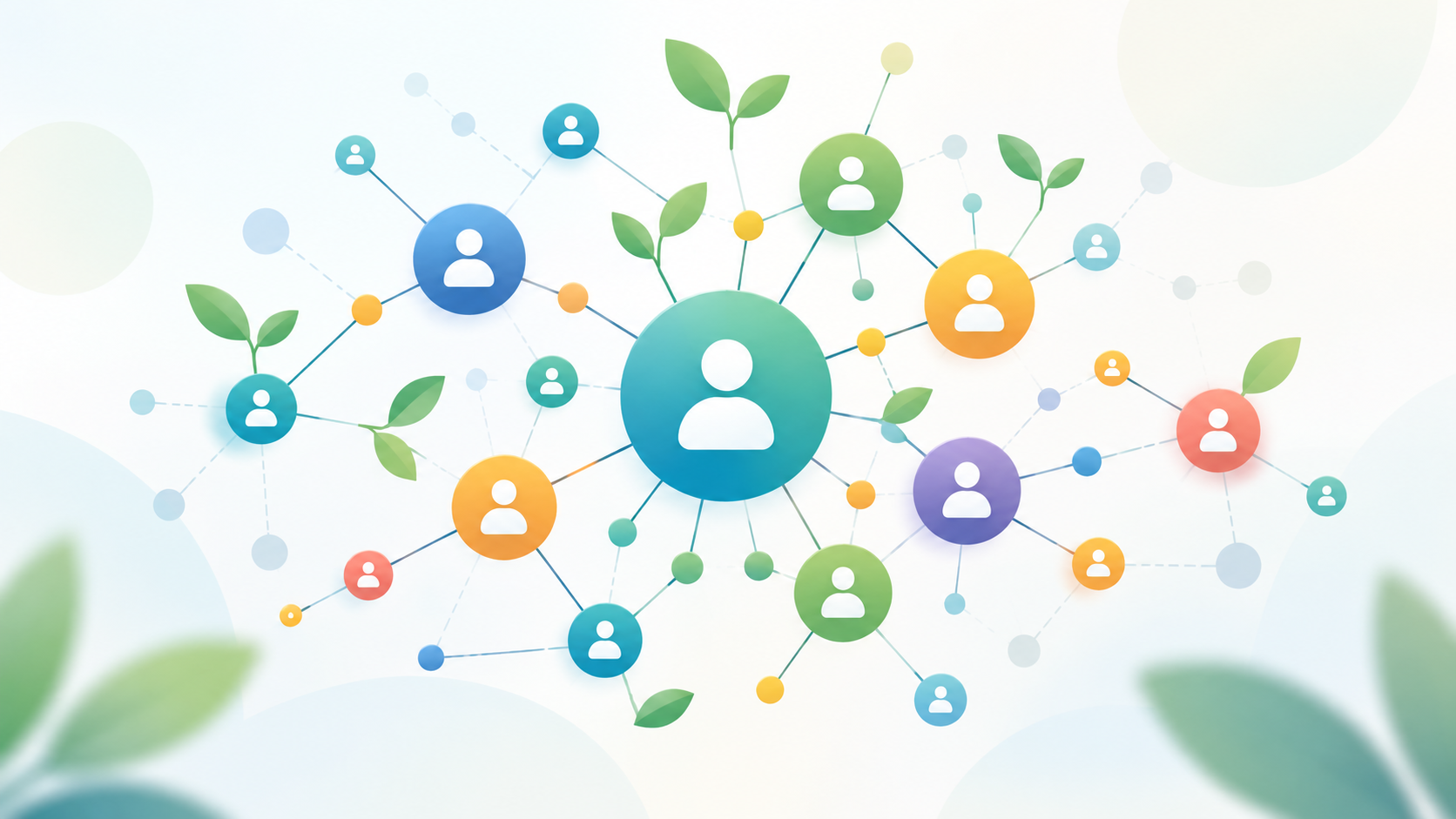
The Discipleship Engine: A How-To Guide for Designing Scalable Micro-Group Ecosystems for Sustainable Spiritual Formation
Introduction
In the trajectory of high-growth churches, the most significant challenge often shifts from attracting new visitors to ensuring that every individual is being formed into a mature follower of Christ. When a congregation scales from hundreds to thousands, the traditional "small group" model frequently buckles under the weight of administrative complexity and a lack of qualified leadership. To maintain the intimacy and accountability necessary for spiritual transformation at scale, churches must architect a "Discipleship Engine"—a decentralized, scalable ecosystem of micro-groups designed for sustainable spiritual formation.
This guide provides a strategic framework for designing, launching, and scaling micro-group ecosystems that bridge the gap between Sunday morning attendance and daily discipleship.
The Micro-Group Advantage: Why Scale Requires Smallness
Traditional small groups (8-12 people) often struggle with two growth-killing factors: the difficulty of finding leaders who can facilitate group dynamics and the physical limitations of hosting in private homes. Micro-groups (3-5 people), by contrast, are more agile, intimate, and easier to lead.
Intimacy vs. Administration
Micro-groups minimize the administrative burden of scheduling and hosting. They can meet in coffee shops, offices, or online with minimal planning. This reduction in friction allows the Focus to remain on spiritual formation rather than logistical coordination.
The Low Barrier to Leadership
One of the primary bottlenecks in church growth is the leadership pipeline. By shifting the primary discipleship vehicle to micro-groups, you lower the barrier to entry for prospective leaders. A person who might be intimidated by leading 12 people is often willing to facilitate a conversation with three friends.
Step 1: Architecting the Curriculum Framework
A scalable discipleship engine requires a balance between structured content and organic conversation.
Developing the "Core Rhythms"
Instead of prescribing a rigid 52-week curriculum, identify 4-6 core spiritual disciplines (e.g., Scripture meditation, intercessory prayer, service, and confession). Your Discipleship Engine should be built around these rhythms, providing micro-groups with a simple weekly template rather than an exhaustive study guide.
The 70/30 Content Split
Adopt a model where 70% of the micro-group's focus is on shared spiritual practices and 30% is on application of the Sunday teaching. This ensures that the engine is aligned with the church’s vision while allowing for deep, personal transformation.
Step 2: Designing the Leadership Pipeline
Scaling discipleship is fundamentally about scaling leadership. The Discipleship Engine relies on a "Multiplier Model."
Identifying Natural Connectors
Look for individuals who are already naturally gathering people. These are your catalytic leaders. Instead of forcing them into a centralized system, empower them to form their own micro-groups and then mentor others to do the same.
The Huddle System: Caring for the Caretakers
To prevent burnout, every micro-group leader must be part of a "Huddle"—a larger gathering of leaders led by a staff member or senior volunteer. This provides the necessary support and accountability to keep the engine running smoothly.
Step 3: Leveraging Technology for Connectivity
In a high-growth environment, tracking participation and health manually is impossible. Your Discipleship Engine must be supported by an interoperable technology stack.
Digital Onboarding and Placement
Implement a digital portal where new congregants can self-select into the micro-group ecosystem based on their stage of life, location, or spiritual goals. Use automated workflows to notify leaders of new interests immediately.
Health Metrics and Feedback Loops
Use simple digital surveys to gather quarterly feedback on group health. Key indicators should include consistency of attendance, spiritual growth self-assessments, and the identification of potential new leaders within the group.
Step 4: Iterating for Sustainability
A Discipleship Engine is not a "set it and forget it" system. It requires constant tuning based on the needs of the congregation and the cultural shifts within the community.
Seasonal Rhythms
Align your micro-group cycles with the natural rhythms of the year (e.g., Fall, Winter, Spring). This allows for natural "on-ramps" and "off-ramps," preventing participants from feeling trapped in a never-ending commitment.
Celebrating Multiplication
Publicly celebrate micro-groups that birth new groups. By prioritizing multiplication over size, you reinforce the value that every believer is a disciple-maker.
Conclusion
Building a scalable Discipleship Engine is an investment in the long-term health and fruitfulness of your church. By moving away from centralized, heavy programs and toward decentralized, agile micro-groups, you create an environment where spiritual formation is not just a Sunday occurrence, but a daily reality.
As your church continues to reach new heights of impact, ensure that your discipleship systems are growing deeper simultaneously. The strength of your church is not found in the height of its platform, but in the health of its smallest circles.
Call-to-Action
Ready to transform your discipleship strategy from a bottleneck to a catalyst? FaithBridge provides the data-driven insights and administrative tools you need to architect a sustainable growth engine. Schedule a demo today to see how we can help your church scale its impact while deepening its discipleship.
Frequently asked questions
What is the ideal size for a micro-group?
We recommend micro-groups consist of 3 to 5 individuals. This size maximizes intimacy, minimizes the administrative burden of scheduling, and lowers the barrier to leadership.
How do you prevent leader burnout in a decentralized system?
The key is a 'Huddle' system where every micro-group leader is themselves part of a support group led by a staff member or senior volunteer, providing essential care and accountability.
Should micro-groups follow a strict curriculum?
A balance is best. We suggest a 70/30 split: 70% focused on core spiritual disciplines like Scripture and prayer, and 30% focused on applying the Sunday teaching.
How does technology support a discipleship engine?
Technology facilitates digital onboarding for new participants and provides automated health metrics through quarterly surveys, allowing leadership to monitor the system's pulse at scale.
Related articles

Discipleship
The Maturity Matrix: A Deep-Dive into Architecting Data-Informed Discipleship Pathways for High-Growth Churches
Church Growth
The Rural-to-Regional Rebound: A Case Study on Scaling Sustainable Church Growth Through Digital Integration at Northwood Community Church

Community Outreach
Beyond the Breadline: 12 Best Practices for Architecting Sustainable Community Empowerment Ecosystems in High-Growth Churches
Explore FaithBridge