Application-Based vs. Invitation-Only: A Strategic Comparison of Volunteer Recruitment Models for High-Growth Churches

Introduction
In the ecosystem of a high-growth church, the volunteer engine is the primary driver of operational sustainability and spiritual vitality. As a congregation scales from a few hundred to several thousand members, the informal, "shoulder-tap" methods of recruitment that functioned in the early days often become a bottleneck. Leadership is then faced with a strategic choice: should they implement a formal, application-based system designed to filter for skill and alignment, or should they double down on a curated, invitation-only model that prioritizes relational trust and character?
This article provides a strategic comparison of these two predominant volunteer recruitment models—Application-Based vs. Invitation-Only—analyzing their impact on organizational health, volunteer retention, and leadership development. For modern church leaders architecting for scale, understanding these frameworks is essential for building a resilient ministry culture that can sustain exponential growth.
The Application-Based Model: Architecting for Efficiency and Skill Alignment
The application-based model mirrors the structured recruitment processes found in high-performance organizations. It typically involves a public call for volunteers, a formal application form, background checks, and a structured interview or onboarding process.
Strategic Advantages of the Application-Based Model
- Scalability and Reach: By opening applications to the entire congregation, leaders can cast a wide net, identifying hidden talents that might be overlooked in a purely relational model. This is particularly effective for specialized roles like technical arts, financial oversight, or educational ministries.
- Standardization and Compliance: High-growth churches face increased legal and ethical scrutiny. An application-based system ensures that every volunteer goes through the same vetting process, ensuring that background checks and safety protocols are never bypassed.
- Clarity of Expectations: The process of filling out an application forces a potential volunteer to count the cost. When a volunteer applies for a role with a clearly defined job description, they enter the ministry with a realistic understanding of the commitment required.
Potential Drawbacks to Navigate
While efficient, the application-based model can sometimes feel transactional. If not managed with a pastoral heart, potential volunteers may feel like "cogs in a machine" rather than members of a spiritual community. Furthermore, the barrier to entry can occasionally discourage introverted but highly capable individuals from stepping forward.
The Invitation-Only Model: Prioritizing Relational Trust and Leadership Character
Conversely, many high-capacity ministries utilize an invitation-only (or "hand-picked") model, particularly for high-influence leadership roles. In this framework, current leaders observe the congregation, identifying individuals who demonstrate the "Three Cs": Character, Competence, and Chemistry.
Strategic Advantages of the Invitation-Only Model
- High Relational Trust: Because the volunteer was personally invited by a trusted leader, the relationship starts with a high level of capital. This trust often leads to higher retention, as the volunteer feels personally invested in the leader’s vision.
- Quality Control for Culture: In the early stages of a high-growth phase, protecting the church’s culture is paramount. Invitation-only models act as a natural firewall, ensuring that only those who are already deeply aligned with the church’s DNA are moved into positions of influence.
- Organic Disciple-Making: The act of inviting someone into service is, in itself, an act of discipleship. It allows for a mentor-mentee dynamic to form naturally from the moment of recruitment.
Potential Drawbacks to Navigate
The primary risk of the invitation-only model is the "clique" factor. If the same group of people is always doing the inviting, the church can unintentionally create an insular leadership circle that lacks diversity and fails to tap into the full potential of the congregation. Additionally, this model is inherently slower and harder to scale as the church enters seasons of rapid expansion.
A Comparative Analysis: When to Use Which Framework
Choosing the right model is not a binary decision; rather, it is about architecting the right mix for different layers of your organization.
Scenario A: Front-Line and Tactical Roles
For roles such as greeters, parking team members, and coffee service, the Application-Based Model is generally superior. These roles require a high volume of volunteers and a standardized onboarding process. The goal here is low-friction entry combined with high-quality training.
Scenario B: High-Impact and Strategic Leadership Roles
For roles such as small group leaders, elders, or department heads, the Invitation-Only Model is essential. The risk of placing the wrong person in these high-influence positions is too great to rely on a generic application. These roles require deep vetting that can only happen through ongoing relational observation.
10 Best Practices for Scaling Your Volunteer Recruitment Strategy
Regardless of the model you choose, these best practices from the FaithBridge framework will help you architect a sustainable volunteer culture:
- Define Your Ministry Personas: Before recruiting, clearly define the "ideal volunteer" for each role in terms of heart, head, and hands.
- Implement a "First Serve" Experience: Allow potential volunteers to shadow a role before committing. This lowers the barrier to entry for the application model and provides an observation window for the invitation model.
- Automation for Administrative Tasks: Use a tool like FaithBridge to automate background checks and scheduling, freeing up your leaders to focus on relational investment.
- Create a Leadership Pipeline: Clearly map out how a front-line volunteer (recruited via application) can develop into a strategic leader (recruited via invitation).
- Regular Appreciation Rhythms: Move beyond the "annual banquet." Create sustainable, monthly rhythms of appreciation that make volunteers feel seen and valued.
- Prioritize Training Over Recruitment: A well-trained volunteer is a confident volunteer. Invest heavily in the onboarding curriculum to ensure long-term retention.
- Maintain a "High-Tech, High-Touch" Balance: Use digital tools for efficiency, but never let a text message replace a face-to-face conversation for high-level recruitment.
- Analyze Your Retention Data: Track which recruitment model leads to longer tenure in different departments and adjust your strategy accordingly.
- Diversity by Design: In invitation-only models, intentionally look outside your immediate social circle to ensure the leadership reflects the entire congregation.
- Communicate the "Why," Not Just the "What": Every recruitment conversation should be framed as an opportunity for the volunteer’s spiritual growth, not just a way for the church to "fill a slot."
KPIs: Measuring the Health of Your Volunteer Engine
For a high-growth church, recruitment is only half the battle. Success must be measured through qualitative and quantitative KPIs that reflect the long-term health of your volunteer ecosystem.
1. The Volunteer Churn Rate
This metric tracks the percentage of volunteers who leave their roles within a specific timeframe (usually annually). A high churn rate in an application-based model may indicate a lack of relational depth or poor training. Conversely, a high churn rate in an invitation-only model may point to burnout or a lack of clear boundaries and expectations.
2. Time-to-Placement (TTP)
In an application-based model, how long does it take from the moment someone clicks "apply" to their first day of service? If this window is too long, you risk losing momentum and interest. FaithBridge can help reduce TTP by automating the administrative friction points.
3. Leadership Conversion Ratio
This is the percentage of front-line volunteers who eventually move into leadership or strategic roles. A healthy organizational architecture should have a clear pathway for growth, proving that your initial recruitment (application) is effectively feeding your leadership pipeline (invitation).
4. Service-to-Attendance Ratio
What percentage of your active congregation is involved in regular service? While this number varies based on church size and community context, a healthy scaling church typically aims for 40-60% engagement. Analyzing this data can reveal whether your recruitment strategies are effectively reaching new members or simply cycling the "usual suspects."
Conclusion
Building a sustainable volunteer engine requires more than just "getting people to help." It requires a sophisticated architectural approach to recruitment that balances the efficiency of application-based systems with the relational depth of invitation-only models. By strategically deploying these frameworks across different levels of your organization, you can create a volunteer culture that doesn't just survive growth—it catalyzes it.
At FaithBridge, we are dedicated to providing the tools and insights necessary for modern church leaders to navigate these complexities. Whether you are streamlining your application process or building out your leadership pipeline, our platform is designed to help you scale your ministry impact without losing your mission’s heart.
Try FaithBridge Today
Ready to take your church management to the next level? FaithBridge offers a comprehensive suite of tools designed to automate your administrative burdens so you can focus on what matters most: your people. From volunteer scheduling to data-driven discipleship tracking, we help you architect a church that scales. Click here to start your free trial.
Frequently asked questions
Which volunteer recruitment model is best for a new church?
Initially, an invitation-only model is often best as it protects the church's starting culture. However, as the church grows, transitioning to a hybrid model that includes application-based recruitment for front-line roles is essential for scaling.
How do I prevent 'cliques' in an invitation-only model?
To prevent insularity, leaders should intentionally look for diverse candidates outside their immediate social circle and use objective criteria (Character, Competence, Chemistry) to evaluate potential leaders.
Can I automate the volunteer application process?
Yes, using platforms like FaithBridge allowed you to automate the intake, background checks, and initial onboarding, ensuring a standardized and efficient experience for every prospective volunteer.
Related articles

Volunteer Engagement
The Volunteer Velocity Framework: 8 Best Practices for Scaling High-Impact Service Teams in a Digital-First Ministry
Church Growth
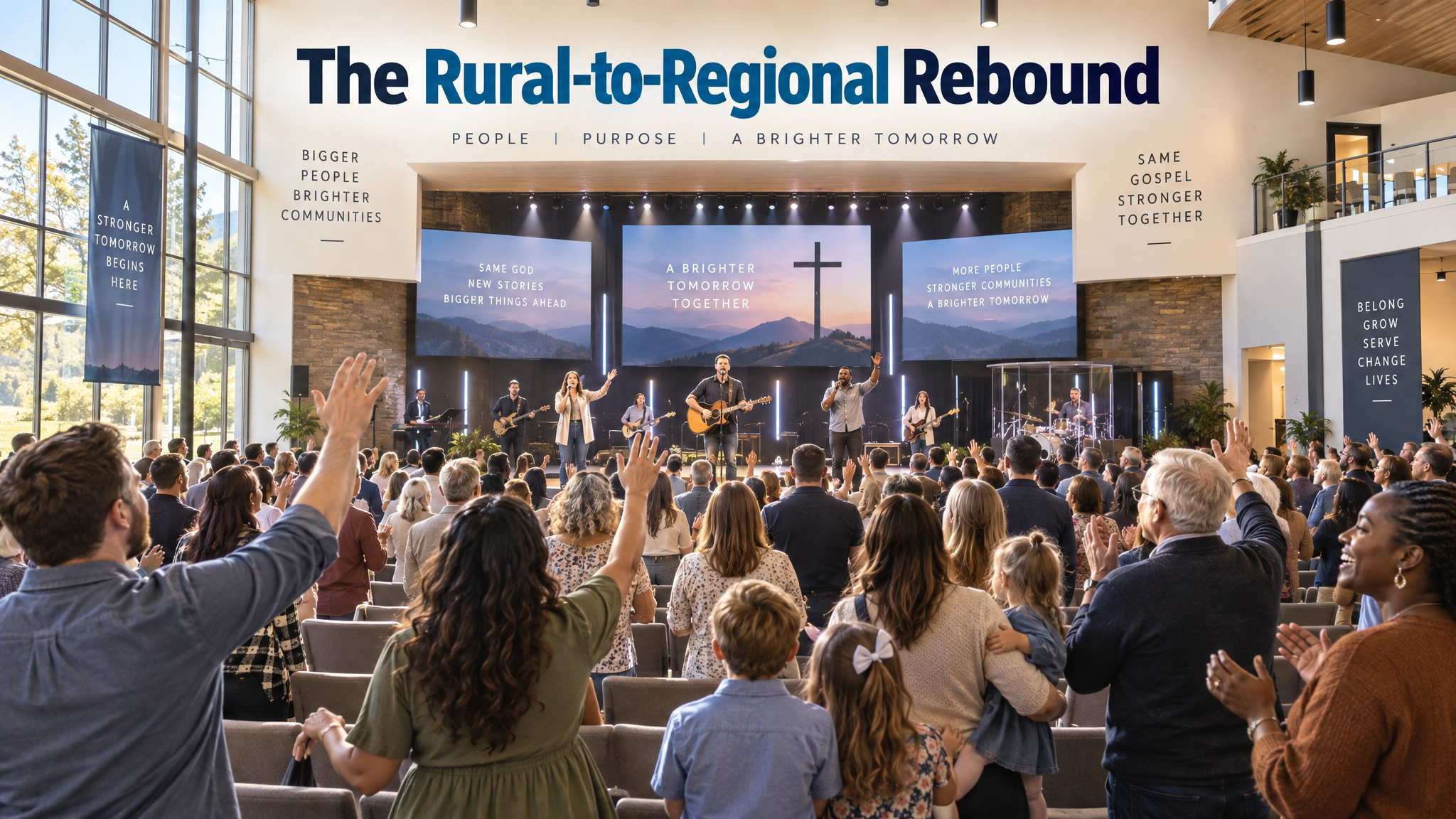
The Rural-to-Regional Rebound: A Case Study on Scaling Sustainable Church Growth Through Digital Integration at Northwood Community Church

Discipleship
The Discipleship Engine: A How-To Guide for Designing Scalable Micro-Group Ecosystems for Sustainable Spiritual Formation
Explore FaithBridge