Capital Campaigns vs. Year-Round Stewardship: Choosing the Right Strategic Framework for Sustainable Church Expansion
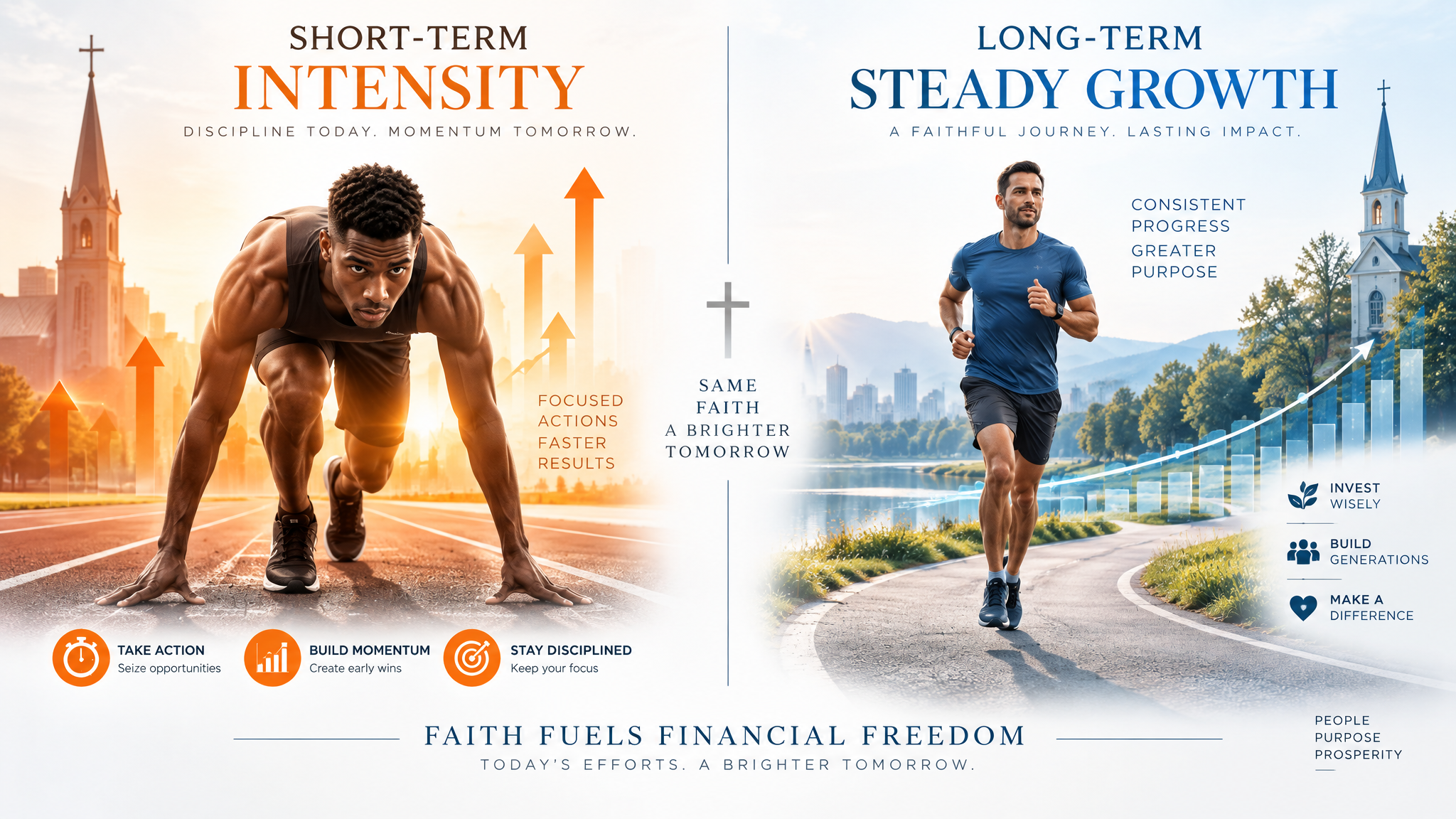
Capital Campaigns vs. Year-Round Stewardship: Choosing the Right Strategic Framework for Sustainable Church Expansion
Introduction
For church leaders navigating the complexities of modern ministry, the tension between immediate capital needs and long-term financial health is a constant challenge. Whether it is a new sanctuary, a local outreach center, or a necessary technological overhaul, expansion requires significant resources. Traditionally, churches have turned to the high-intensity "capital campaign" to fund these leaps. However, as donor behavior shifts and the need for sustainable growth becomes paramount, many are weighing the merits of integrating these needs into a robust year-round stewardship model.
Choosing the right strategic framework is not just about the numbers; it is about the spiritual health and long-term vitality of the congregation. A capital campaign can provide a surge of momentum but carries the risk of donor fatigue. Conversely, a year-round stewardship focus builds a culture of generosity but may struggle to gather the "lump sum" required for major projects. This article provides a comprehensive comparison of these two frameworks, offering practical advice for church executives, pastors, and finance committees to help them choose the best path for their unique mission.
The Capital Campaign: The Sprint for Expansion
A capital campaign is a time-bound, intensive fundraising effort designed to raise significant funds for a specific, often large-scale project. Usually lasting between one to three years, these campaigns are characterized by high visibility, specialized messaging, and a clear "finish line."
The Strategic Advantages
- Focused Momentum: The primary strength of a capital campaign is its ability to galvanize the congregation around a single, tangible goal. The urgency of the project creates a "rallying cry" that can break through the noise of daily operations.
- Expansion of Capacity: Campaigns often push donors to consider gifts "above and beyond" their regular tithes. This can reveal untapped financial capacity within the congregation and foster a sense of collective sacrifice and achievement.
- Visibility and Vision: A well-executed campaign is an excellent vehicle for communicating the church's long-term vision. It forces leadership to articulate clearly why they are expanding and how it serves the Kingdom.
The Risks and Practical Challenges
- Donor Fatigue: The most common criticism of the capital campaign is the potential for "burnout." Asking for significant extra funds over an extended period can lead to exhaustion, especially if the campaign is followed too closely by another major ask.
- Cannibalization of Regular Giving: There is a persistent risk that donors will shift their regular tithing toward the capital campaign to meet their pledges, potentially starving the church's operating budget.
- High Administrative Overhead: Campaigns often require significant investment in external consultants, creative materials, and event coordination, which can eat into the net proceeds.
Year-Round Stewardship: The Marathon of Generosity
In contrast to the sprint of a campaign, year-round stewardship seeks to weave the theology and practice of generosity into the very fabric of church life. Instead of periodic "blasts," leadership engages in consistent teaching, reporting, and celebration of how resources are used throughout the year.
The Strategic Advantages
- Sustainable Cultural Shift: By focusing on stewardship consistently, churches move from "asking for money" to "discipling the heart." This fosters a more mature understanding of biblical generosity that persists even when there is no active project.
- Predictable Revenue Streams: A year-round focus tends to stabilize the operating budget. When members understand the impact of their regular giving, they are more likely to remain consistent, even in economic downturns.
- Reduced Pressure on Leadership: Rather than the periodic stress of a multi-million dollar campaign, stewardship becomes a shared responsibility integrated into the pastoral rhythm.
The Risks and Practical Challenges
- Difficulty Funding Large Humps: The primary drawback is that year-round tithing often lacks the "surge" needed for a major building purchase or renovation. Accumulating funds slowly can lead to missed opportunities in a competitive real estate market.
- Consistency Requires Discipline: Maintaining a year-round stewardship program requires a dedicated communications strategy and a commitment to transparency that can be difficult to sustain amidst other ministry priorities.
- Topic Saturation: If not handled with variety and creativity, consistent stewardship teaching can begin to feel repetitive or "institutional" to the congregation.
Comparison: Which Framework Fits Your Church?
To help you decide, let's look at the key differences across critical operational dimensions:
| Dimension | Capital Campaign | Year-Round Stewardship |
|---|---|---|
| Goal | Specific, Tangible Project | Holistic Congregational Health |
| Duration | 1–3 Years (Intensive) | Permanent (Integrated) |
| Messaging | Vision-Casting & Project Specifics | Theological Teaching & Impact Reporting |
| Donor Behavior | "Above and Beyond" Pledging | Consistent, Habitual Giving |
| Risk | Donor Fatigue / Operating Budget Dip | Slow Capital Accumulation |
| Management | Often Requires External Consultants | Managed by Internal Staff/Volunteers |
Practical Advice for Implementing Your Choice
If You Choose a Capital Campaign:
- Protect the Operating Fund: Explicitly instruct donors that capital gifts must be in addition to, not in place of, their regular support.
- Focus on "Life-Change," Not Just "Square Footage": Ensure your campaign materials highlight the ministry that will happen inside the new space, rather than just the architectural features.
- Plan for the "Aftermath": Have a clear "re-entry" plan for when the campaign ends to transition donors back to a sustainable year-round focus.
If You Choose Year-Round Stewardship:
- Leverage Impact Reporting: Regularly share "stories of impact"—how a member's $50 a week translated into lives changed.
- Integrate Technology: Use platforms like FaithBridge to make giving seamless and provide donors with transparent views of their impact.
- Create a "Capital Reserve": Set aside a percentage of regular giving into a dedicated expansion fund so that when needs arise, you aren't starting from zero.
The Hybrid Model: A Modern Solution
Many scaling churches are finding success in a hybrid approach. They maintain a robust year-round stewardship culture but introduce "mini-campaigns" or specific "vision Sundays" for targeted needs. This provides the momentum of a campaign without the three-year grind that leads to fatigue.
Conclusion
Whether you choose the momentum of a capital campaign or the sustainability of year-round stewardship, the goal remains the same: empowering your church to fulfill its mission with excellence. By understanding the strategic trade-offs of each framework, you can lead your congregation into a future of generous, sustainable impact.
The choice depends on your current season of ministry. Are you at the cusp of a revolutionary leap that requires a collective "push"? Or are you in a season of stabilization and cultural deepening? Evaluate your church's financial health, donor maturity, and upcoming vision to determine which path will lead to the most fruitful expansion.
Try FaithBridge for Seamless Stewardship
Scaling a church's generosity requires more than just the right strategy; it requires the right tools. FaithBridge provides an integrated data ecosystem that simplifies giving, tracks impact, and empowers church leaders to make data-driven decisions.
From unified digital pipelines to real-time stewardship reporting, FaithBridge helps you bridge the gap between vision and reality. Whether you are launching a major capital campaign or building a culture of year-round generosity, our platform is designed to scale with you.
Ready to transform your church management? Request a demo of FaithBridge today.
Frequently asked questions
What is the main difference between a capital campaign and year-round stewardship?
A capital campaign is a time-bound, intensive effort for a specific project, while year-round stewardship is an ongoing, integrated culture of generosity focusing on holistic church health.
Can a church run both at the same time?
Yes, many churches use a hybrid model where they maintain a regular stewardship culture but introduce specific 'vision initiatives' for major needs.
How long does a typical capital campaign last?
Most capital campaigns span between one and three years, though the intensive public phase is usually shorter.
How do I prevent donor fatigue?
Prevention involves clear communication, focusing on the impact of the mission rather than just buildings, and ensuring significant breaks between major financial asks.
Does year-round stewardship provide enough for major buildings?
It can, but often requires a dedicated capital reserve fund and long-term planning, as it lacks the immediate surge of a targeted campaign.
Related articles
Giving & Stewardship
Restoring Trust: A Strategic How-To Guide for Architecting Radical Financial Transparency in Modern Ministry
Church Growth
The Rural-to-Regional Rebound: A Case Study on Scaling Sustainable Church Growth Through Digital Integration at Northwood Community Church

Discipleship
The Discipleship Engine: A How-To Guide for Designing Scalable Micro-Group Ecosystems for Sustainable Spiritual Formation
Explore FaithBridge