From Recruitment to Retention: 12 Best Practices for Building a Sustainable Volunteer Culture in the Modern Church

From Recruitment to Retention: 12 Best Practices for Building a Sustainable Volunteer Culture in the Modern Church
In the rapidly evolving landscape of modern ministry, the heartbeat of any thriving church remains its volunteer core. As congregations scale and technology reshapes how we connect, the traditional methods of "filling slots" are no longer sufficient to sustain long-term engagement. To build a ministry that lasts, church leaders must shift their focus from mere recruitment to the intentional architecture of a sustainable volunteer culture.
This shift requires a move away from transactional management toward relational stewardship. When volunteers feel like cogs in a machine, burnout is inevitable. However, when they are integrated into a vision-driven community that values their personal growth as much as their service, the result is a resilient and vibrant ecosystem of ministry.
Below are 12 best practices for architecting a volunteer culture that not only meets the needs of the church but also enriches the lives of those who serve.
1. Ground Every Role in "Why," Not Just "What"
The most sustainable volunteer cultures are built on vision, not just tasks. Before a volunteer ever picks up a lanyard or opens a laptop, they must understand the eternal significance of their contribution.
Moving Beyond the Job Description
Instead of simply defining the duties of a "Parking Lot Attendant," define the mission: "Creating a first impression of grace that opens hearts to the Gospel." When volunteers see their work through the lens of the Great Commission, their commitment transforms from a duty into a calling.
2. Implement a "Relational-First" Onboarding Process
The first 90 days of a volunteer's journey are critical. Too often, churches rush to get "warm bodies" into roles, skipping the vital step of relationship building. Best practices dictate that onboarding should be a multi-stage process that prioritizes connection over compliance.
The Power of the "Guide"
Pair every new volunteer with a "Guide" or mentor—someone who has served in the role and can provide emotional and social support. This ensures that the volunteer feels seen and known from day one, significantly reducing early-stage turnover.
3. Design for Flexibility in a Busy Culture
We live in a time-starved society. A rigid, every-week commitment is a barrier for many talented individuals who want to serve. Building a sustainable culture means creating tiered levels of engagement.
The Modular Service Model
Offer a variety of rhythms: the "High Impact" every-week role, the "Rotational" once-a-month role, and the "Special Event" seasonal role. By respecting the diverse seasons of life your congregation is in, you make it easier for people to say "yes" without the fear of overcommitment.
4. Prioritize Skill-to-Mission Matching
Sustainability is found at the intersection of a volunteer's passion, their skill set, and the church's need. When a professional graphic designer is stuck in the nursery (unless that’s their passion), their unique God-given talents are underutilized, leading to frustration.
The Gift Audit
Conduct regular "Gift Audits" to understand the professional and spiritual strengths within your congregation. Placing someone in a role where they can "operate in their sweet spot" ensures that serving is life-giving rather than life-draining.
5. Foster a Culture of Radical Appreciation
A simple "thank you" is powerful, but a culture of appreciation goes deeper. It involves recognizing the value of the person, not just the value of the work.
Personalized Recognition
Move beyond generic shout-outs. Send hand-written notes that mention specific instances of their impact. Celebrate life milestones—birthdays, anniversaries, and promotions—within the volunteer team. Recognizing the human behind the help builds a sense of belonging that is hard to break.
6. Provide Clear Pathways for Growth and Leadership
Volunteering should not be a static experience. A sustainable culture provides a roadmap for advancement. If someone serves in the same role for five years without any new challenges, their engagement will naturally wane.
The Leadership Pipeline
Create a clear hierarchy of leadership within teams: Team Member, Team Lead, Coach, and Director. By providing clear steps for growth, you keep high-capacity volunteers engaged and ensure that your ministry has a deep bench of leadership for the future.
7. Invest in Continuous Training and Equipment
Few things kill volunteer morale faster than being asked to do a job without the proper tools or training. Sustainable cultures prioritize the professional and spiritual development of their teams.
The Learning Library
Provide regular workshops, online training modules, and access to industry-standard tools. When the church invests in a volunteer's development, it signals that the church values them as a partner in the work, not just a volunteer.
8. Create "Rest Rhythms" to Prevent Burnout
Ministry is a marathon, not a sprint. Even the most passionate volunteers need time to sit in the pew and be fed.
Mandatory Off-Weeks
Encourage or even mandate "Sabbath Sundays" where volunteers are required to attend service without serving. Monitoring the "hours served" for your most active members allows you to intervene before they reach the point of exhaustion.
9. Utilize Data-Driven Insights for Health Monitoring
In the digital age, we have the tools to track volunteer health with precision. While ministry is spiritual, it is also operational.
Tracking Engagement Metrics
Use your Church Management System (ChMS) to track attendance patterns. A sudden drop in service frequency is often a leading indicator of burnout or personal struggle. Using data to trigger a pastoral phone call can save a volunteer relationship before it’s too late.
10. Emphasize Community Within the Team
People come for the mission, but they stay for the community. The most resilient volunteer teams are those where members are friends outside of church hours.
Team Huddles and Socials
Start every "shift" with a 15-minute huddle for prayer and connection. Host quarterly team socials that have nothing to do with tasks and everything to do with fun. When teams become "small groups with a mission," sustainability is baked into the social fabric.
11. Simplify Communication Channels
Nothing frustrates a volunteer more than "communication chaos"—getting texts, emails, and Slack messages from three different leaders about the same event.
The Single Source of Truth
Establish one primary channel for team communication. Whether it’s an app, a dedicated email thread, or a portal, ensuring that volunteers know exactly where to go for information reduces the cognitive load and friction associated with serving.
12. Solicit and Act on Volunteer Feedback
A sustainable culture is a listening culture. Those on the front lines often have the best insights into how systems can be improved.
The Feedback Loop
Conduct annual "Experience Surveys" to ask: "What is the best part of your role?" and "What is the biggest frustration?" More importantly, report back to the volunteers on what changes are being made based on their input. Feeling heard is a primary driver of long-term loyalty.
Conclusion: The Long-View of Ministry
Building a sustainable volunteer culture is not a project with a completion date; it is an ongoing commitment to the people God has entrusted to your leadership. By shifting from a focus on "filling holes" to "fueling humans," you create a ministry environment that can weather the storms of culture and the pressures of growth.
When your volunteers are thriving, your church is thriving. Start today by implementing one or two of these best practices, and watch as your ministry transitions from a cycle of constant recruitment to a culture of lasting impact.
Try FaithBridge Today
Are you struggling to manage your volunteer pipelines and track engagement across your growing congregation? FaithBridge is designed to help churches like yours architect sustainable ministry systems. From automated onboarding workflows to data-driven health monitoring, FaithBridge gives you the tools to lead with heart and handle the heat of scaling.
Sign up for a free trial of FaithBridge and start building your sustainable future today.
Frequently asked questions
How can I prevent volunteer burnout?
Implement 'Rest Rhythms' such as mandatory off-weeks and sabbatical Sundays to ensure volunteers are regularly fed by the ministry.
Why is relational onboarding important?
It ensures volunteers feel seen and known from day one, which significantly reduces early-stage turnover compared to task-only onboarding.
How do I match volunteers to the right roles?
Conduct regular 'Gift Audits' to understand the unique professional and spiritual strengths of your congregation and place them accordingly.
What is a 'Single Source of Truth' in communications?
It is a designated primary channel (app or portal) that eliminates communication chaos and reduces friction for volunteers.
Related articles

Volunteer Engagement
Application-Based vs. Invitation-Only: A Strategic Comparison of Volunteer Recruitment Models for High-Growth Churches

Volunteer Engagement
The Volunteer Velocity Framework: 8 Best Practices for Scaling High-Impact Service Teams in a Digital-First Ministry
Church Growth
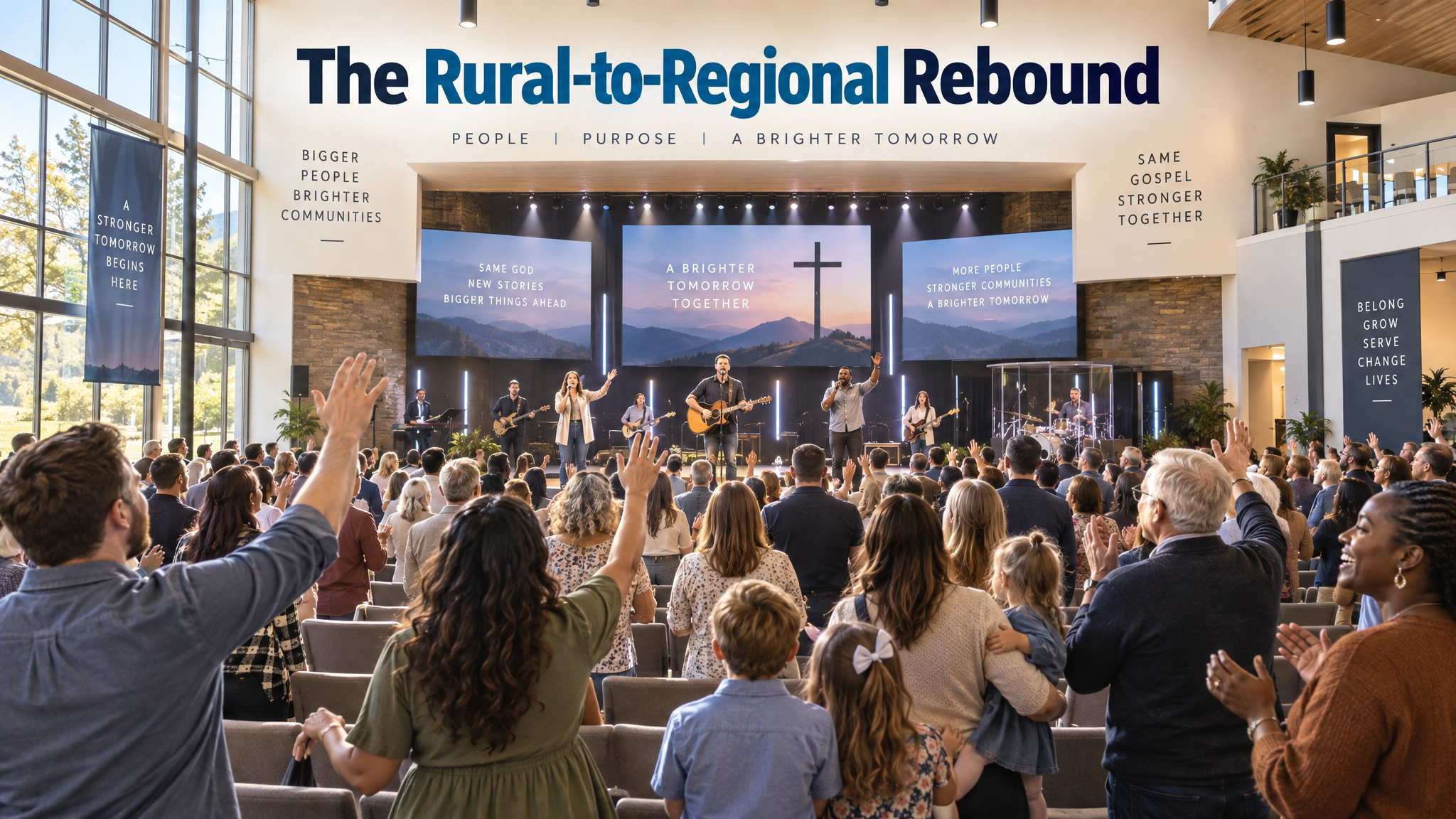
The Rural-to-Regional Rebound: A Case Study on Scaling Sustainable Church Growth Through Digital Integration at Northwood Community Church
Explore FaithBridge