Recurring Digital Pledging vs. Traditional Basket Tithing: A Strategic Comparison for Increasing Predictable Church Revenue
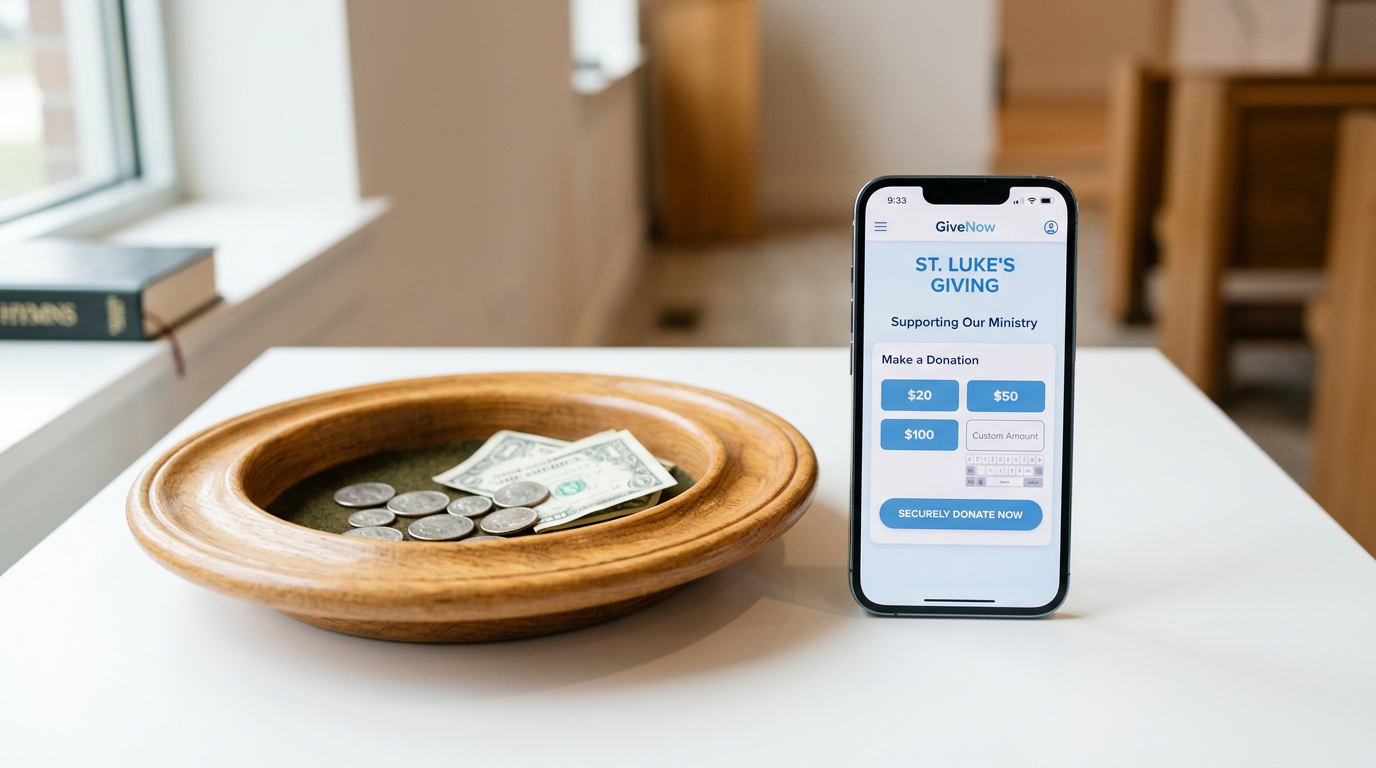
Recurring Digital Pledging vs. Traditional Basket Tithing: A Strategic Comparison for Increasing Predictable Church Revenue
In the quest for financial sustainability, church leaders often find themselves at a crossroads between tradition and innovation. For decades, the "passing of the plate" has been the symbolic and literal center of church generosity. It is a moment of communal worship, a time when the body of Christ comes together to acknowledge God’s provision. However, as the digital era reshapes how we interact with money, a new model has emerged: recurring digital pledging. This article provides a strategic comparison between traditional basket tithing and modern recurring digital pledging, examining how each impacts a church's ability to plan, grow, and fulfill its mission in an increasingly cashless society.
The Evolution of Church Generosity
Generosity is a core tenet of the Christian faith. From the earliest days of the church, believers have shared their resources to support the ministry and care for the needy. In the book of Acts, we see a community holding everything in common. Historically, this meant physical offerings—grain, livestock, and eventually, coins and bills dropped into a shared vessel. This physical act of giving during service is deeply embedded in congregational culture, serving as a tangible moment of worship and a public demonstration of a community’s collective commitment.
Yet, the landscape of personal finance has shifted dramatically over the past two decades. The average person today rarely carries cash and writes even fewer checks. According to recent financial studies, over 80% of households now handle the majority of their recurring bills—mortgages, utilities, and insurance—through automated digital payments. When a church relies solely on physical collection, it introduces friction into the act of giving. It asks members to engage in a financial behavior (writing a check or carrying large amounts of cash) that they have otherwise abandoned in every other area of their lives. This friction potentially limits the impact of a congregation's inherent generosity, not due to a lack of will, but due to a lack of compatible way.
Traditional Basket Tithing: The Benefits and Challenges
Traditional tithing, characterized by spontaneous or planned physical giving during a worship service, remains a cornerstone for many congregations. Understanding its strengths as well as its limitations is essential for any leader considering a strategic shift.
The Power of Tangible Worship
There is an undeniable spiritual weight to the physical act of giving. Dropping an envelope into the plate as it passes through the pews is a public and communal declaration of trust in God. For many older members, this ritual is the primary way they connect their finance to their faith. It provides a visible example of stewardship for children and new believers, reinforcing the idea that everything we have is a gift from God. The physical touch of the envelope and the sound of the plate are sensory anchors for a theology of stewardship.
The Volatility of Physical Giving
However, from a management perspective, basket tithing is notoriously volatile. Attendance directly correlates with giving. If a snowstorm cancels service, if a holiday weekend draws people away, or if a flu season keeps families home, the church's revenue drops precipitously. This "attendance-dependency" makes it incredibly difficult for administrative teams and finance committees to manage cash flow. A rainy month shouldn't mean a halted mission, but for churches relying exclusively on the Sunday plate, that is often the reality.
Furthermore, the administrative burden of physical currency is significant. It requires high levels of security, multiple volunteers for accountability, and manual entry into church management systems—processes that are prone to human error and consume valuable volunteer hours. The "counting room" is a necessary but resource-intensive part of traditional operations that often takes leaders away from more relational ministry tasks.
Recurring Digital Pledging: The Strategic Alternative
Recurring digital pledging involves members setting up automated, scheduled contributions through a church's website or giving app. This model shifts the focus from the moment of the service to the intent of the heart, allowing for a more consistent and disciplined approach to stewardship.
Creating Predictable Cash Flow
The primary strategic advantage of digital pledging is predictability. When members commit to a recurring gift—whether weekly, bi-weekly, or monthly—the church can forecast its income with remarkable accuracy. This stability allows for better budgeting for long-term projects, staff salaries, and community outreach programs. Instead of waiting to see what the Sunday plate brings, leadership can move forward with confidence, knowing the baseline revenue is secured by automated systems. This "revenue floor" is what allows a church to scale its impact from month to month without the constant stress of localized attendance dips.
Reducing Friction and Increasing Consistency
Digital pledging eliminates the "I forgot my checkbook" factor. By automating the process, members ensure that their tithe is delivered even when they are traveling, working, or unable to attend a specific service due to illness. This consistency often leads to an overall increase in total annual giving per household. Statistics indicate that churches shifting to a digital-first recurring model often see a 15% to 25% lift in overall stewardship within the first 18 months, primarily because the "gaps" in giving—those weeks when someone was simply absent—are eliminated.
The Psychology of Recurring Giving: Shifting the Mindset
One of the less discussed but most profound benefits of recurring digital pledging is its impact on the psychology of the giver. In the traditional model, giving is often reactive—prompted by the sight of the plate or the pastor's appeal. While this can be powerful, it can also be impulsive and inconsistent.
Prioritizing the First Fruits
The biblical concept of "first fruits" suggests that we should give to God first, before other expenses are settled. Recurring digital pledging is the modern technological implementation of this principle. By setting up an automated transfer that occurs on payday, a member is essentially saying, "God, You are the first priority in my budget." It moves stewardship from a "leftover" mentality to a "priority" mentality.
Removing Emotional Barriers
Financial giving can sometimes be fraught with emotional tension. When a member is going through a difficult week, they might feel a sense of guilt or pressure when the plate passes if they haven't prepared an offering. Automation removes the weekly decision-point, turning generosity into a stable habit rather than a stressful choice. This leads to a more peaceful relationship with money and faith, as the commitment is made in a moment of calm reflection and then carried out reliably by the system.
Data-Driven Leadership: Leveraging Giving Trends
In the traditional model, a church often only knows who gave what after a long process of manual entry and reconciliation. By the time the data is ready for analysis, it might be weeks or months old.
Real-Time Financial Health
Recurring digital systems provide real-time data. Leaders can see trends as they happen. If a church sees a sudden dip in recurring commitments, it might be an early warning sign of a shift in congregational health or a specific community economic crisis. Conversely, seeing a steady climb in recurring givers allows a church to initiate new ministries sooner than they otherwise would have dared.
Targeted Encouragement
Data allows for more effective pastoral care. For example, if a long-term recurring giver suddenly stops their automated gift, it might indicate a job loss or a personal crisis. Instead of just seeing a drop in the bucket, leaders see a change in a person's life, allowing for a proactive, supportive outreach that wouldn't be possible with the anonymity of physical cash.
A Strategic Comparison: Comparing the Models
To better understand the impact, let's compare these two models across key operational and strategic metrics.
1. Stability and Forecasting
- Traditional Basket: Highly unstable. Influenced by weather, holidays, and weekly attendance fluctuations. Budgeting is often based on historical averages which may represent a "best guess" rather than a data-backed plan.
- Recurring Digital: Highly stable. Provides a clear, predictable "floor" for monthly revenue. Budgeting becomes an exercise in allocation rather than speculation.
2. Administrative Efficiency
- Traditional Basket: High labor cost. Requires manual counting, physical transport to banks, and manual data entry by staff or volunteers. The potential for human error is high.
- Recurring Digital: Low labor cost. Transactions are automatically processed, reconciled, and recorded in the church management system (ChMS). Staff time is freed up for high-value pastoral work.
3. Member Experience
- Traditional Basket: High friction for modern givers who do not carry cash. Provides a strong sense of traditional ritual but can make younger generations feel disconnected from the church's financial life.
- Recurring Digital: Low friction. Fits seamlessly into modern financial habits. While it can lack the "moment of worship" feeling if not properly integrated, it offers the convenience and security that modern users expect.
4. Security and Risk Management
- Traditional Basket: Higher risk. Cash and checks are vulnerable to loss, theft, or misplacement from the moment they are given until they are deposited and cleared.
- Recurring Digital: Highly secure. PCI-compliant processors handle sensitive data, and funds are transferred directly into the church's accounts, significantly reducing liability and internal risk.
Strategic Campaigning: Communicating the Transition
Moving a congregation from a basket-first to a digital-first mindset requires careful, pastoral communication. It should never be framed as "out with the old," but rather as "enhancing our stewardship for a new generation."
The "Why" Behind the Technology
Explain the mission-impact of predictability. When members understand that their recurring gift allows the church to commit to a long-term partnership with a local mission or hire a new youth pastor, they see the technology not as a cold convenience, but as a strategic tool for the Kingdom.
Demonstrating Security
Address the concerns of older members by demonstrating the security of the platform. Explain how encryption and professional processing are actually safer than keeping cash in a safe at the church office.
Leading by Example
Leadership should be the first to adopt the new model. When the board and the pastoral staff share their own experiences with recurring giving, it normalizes the shift and builds confidence within the congregation.
Bridging the Gap: Integrating Digital and Physical
The most effective churches today do not choose one over the other; they integrate recurring digital pledging into the physical life of the worship service.
QR Codes and Mobile Giving
Include QR codes in the pews or on the screen during the offering. This allows those who are moved to give in the moment—or those who simply forgot to prepare—to act on their generous impulse immediately using their smartphone.
"Giving Cards" for the Plate
To maintain the symbolic act of worship for digital givers, provide "Giving Cards" at the entrance. These are small cards that members can place in the offering plate that say, "I give digitally to support our mission." This allows them to participate in the physical ritual while maintaining the benefits of automation.
Scaling Stewardship for the Future
As your church grows, the limitations of traditional systems become more apparent. A church of 50 can manage a few envelopes, but a church of 500 or 1,500 needs systems that scale. Recurring digital pledging is not just a technological upgrade; it is a strategic necessity for any church looking to build a sustainable future.
By reducing traditional volatility and streamlining administration, leaders can shift their focus from "managing the numbers" to "leading the mission." The predictability offered by digital systems transforms a church from a reactive organization to a proactive one, ready to respond to community needs and pursue bold visions that require sustained financial commitment.
Ready to Transform Your Church's Generosity?
Implementing a recurring digital pledging system doesn't have to be complicated. With FaithBridge, you can build a comprehensive giving ecosystem that integrates seamlessly with your church management, provides your members with a friction-free experience, and gives your leadership the data they need to lead with confidence.
Optimize Your Stewardship Today
FaithBridge offers a unified platform designed to scale with your ministry. From automated recurring giving to real-time financial reporting and donor management, we provide the tools you need to foster a culture of consistent, life-changing generosity.
Try FaithBridge today and see how predictive revenue can accelerate your mission.
FAQ
Q: Will digital giving decrease the spiritual significance of the tithe? A: Not at all. Tithing is an act of the heart and an expression of worship. By automating the gift, many members find they are more intentional, as they prioritize the tithe at the beginning of their budgeting process rather than giving whatever happens to be left in their wallet at the end of a service.
Q: How do we encourage older members to transition to digital pledging? A: Communication is key. Frame digital giving as a way to ensure the church’s mission continues even when they are traveling or unable to attend. Provide hands-on workshops and ensure they know their personal data is secure. Most importantly, always keep the physical plate available for those who prefer the traditional way.
Q: Are the fees associated with digital giving worth it for a smaller church? A: Yes. While there are processing fees, the increase in consistency and total annual giving usually far outweighs the cost. Additionally, the time saved for staff and volunteers in counting, security, and manual recording represents a significant "hidden" cost savings that benefits the church's bottom line.
Q: Can we track both digital and physical giving in the same system for tax purposes? A: Absolutely. Modern church management systems like FaithBridge are designed to aggregate data from all sources—online, app-based, and physical—providing a single, unified giving statement for every household, simplifying end-of-year tax preparation for everyone.
Q: How does recurring giving help with seasonal slumps like the "summer slump"? A: The "summer slump" is often caused by members traveling and missing services. With recurring digital giving, their tithe is processed automatically regardless of where they are, keeping the church’s cash flow steady even during low-attendance months.
Frequently asked questions
Will digital giving decrease the spiritual significance of the tithe?
Not at all. Tithing is an act of the heart and an expression of worship. By automating the gift, many members find they are more intentional, as they prioritize the tithe at the beginning of their budgeting process.
How do we encourage older members to transition to digital pledging?
Communication is key. Frame digital giving as a way to ensure the church’s mission continues even when they are traveling. Provide hands-on workshops and ensure they know their data is secure.
Are the fees associated with digital giving worth it?
Yes. While there are processing fees, the increase in consistency and total annual giving usually far outweighs the cost, plus the time saved for staff and volunteers.
Can we track both digital and physical giving in the same system?
Absolutely. Modern church management systems like FaithBridge aggregate data from all sources, providing a single, unified giving statement for every household.
How does recurring giving help with seasonal slumps like the 'summer slump'?
With recurring digital giving, their tithe is processed automatically regardless of where they are, keeping the church’s cash flow steady even during low-attendance months.
Related articles

Giving & Stewardship
Restoring Trust: A Strategic How-To Guide for Architecting Radical Financial Transparency in Modern Ministry
Church Growth
The Rural-to-Regional Rebound: A Case Study on Scaling Sustainable Church Growth Through Digital Integration at Northwood Community Church

Discipleship
The Discipleship Engine: A How-To Guide for Designing Scalable Micro-Group Ecosystems for Sustainable Spiritual Formation
Explore FaithBridge