The Architect of Culture: 11 Strategic Rhythms for Scaling Healthy Board-Pastor Relationships in the Modern Ministry

The Architect of Culture: 11 Strategic Rhythms for Scaling Healthy Board-Pastor Relationships in the Modern Ministry
In the rapidly evolving landscape of modern ministry, the health of a church often hinges on a single, invisible axis: the relationship between the Lead Pastor and the Governing Board. As a church scales from a local gathering to a high-impact organization, this dynamic must transition from organic trust to architected health. Without intentional systems, the weight of operational complexity can create friction that stalls mission, leads to burnout, or results in leadership attrition.
Healthy leadership at the top isn't just about avoiding conflict; it's about building a "Culture of Clarity" that allows both the pastor and the board to operate in their highest callings. When the board-pastor relationship is optimized, it becomes a catalyst for sustainable growth, providing the stability needed to navigate the challenges of a scaling ministry.
Here are 11 strategic rhythms for architecting the relationship between your pastoral leadership and governing board to ensure long-term health and scalable impact.
1. The Clarity Covenant: Defining Roles and Boundaries
The most frequent source of friction in church leadership is role confusion. In a small church, everyone does everything. In a scaling church, this "all hands on deck" approach becomes a liability. The board must move from managing the ministry to governing the mission.
Establishing a written "Clarity Covenant" defines the boundaries of authority. The pastor is the primary architect of the ministry vision and daily operations, while the board provides fiduciary oversight, spiritual accountability, and strategic counsel. When these boundaries are blurred—when boards begin picking the worship songs or pastors stop being accountable for the budget—the system begins to break.
2. The Quarterly Strategy Summit: Moving Beyond the Monthly To-Do List
Most board meetings are consumed by the "tyranny of the urgent"—roof leaks, budget variances, and staff transitions. While these are important, they shouldn't define the relationship. Scaling healthy leadership requires a dedicated space for long-term strategic thought.
By implementing a "Quarterly Strategy Summit," the pastor and board step back from the weeds of operation to look at the "state of the soul" of the church. This rhythm ensures that the leadership is constantly aligned with the five-year vision rather than just the next five weeks of programming.
3. High-Trust Vulnerability Rounds: Cultivating Spiritual Vitality
Governance without soul-care is merely corporate management. The board has a spiritual obligation to care for the Lead Pastor’s soul, not just their performance.
Integrating a "Vulnerability Round" at the start of every board meeting changes the atmosphere. This is a time where the pastor can share personal struggles, spiritual dry spells, or family challenges without fear of judgment. When a board creates a safe space for the pastor to be human, the pastor is empowered to lead with greater authenticity and resilience.
4. The Fiduciary Dashboard: Simplifying Financial Transparency
Trust is built on transparency, but transparency is often buried in complex spreadsheets that board members don't have time to decipher. To scale healthy oversight, the church must adopt a "Fiduciary Dashboard"—a one-page visual summary of the church's financial health.
This dashboard should track key metrics like giving trends, debt-to-income ratios, and reserve fund status. By providing clear, actionable data, the board can make informed decisions quickly, and the pastor spends less time explaining basic accounting and more time discussing strategic resource allocation.
5. Annual Sabbatical Planning: Safeguarding the Leadership Engine
Pastoral burnout is one of the greatest threats to a scaling church. A healthy board doesn't wait for a crisis to suggest a sabbatical; they architect it into the leadership rhythm.
The board should proactively oversee the pastor's "Sustainability Schedule," which includes weekly sabbaths, annual retreats, and a multi-week sabbatical every five to seven years. This rhythm signals to the congregation that the church values the long-term health of its leaders, creating a culture of sustainability that permeates the entire staff.
6. The "No Surprises" Policy: Building a Foundation of Integrity
The quickest way to erode trust between a pastor and a board is the "sidewinder"—an unexpected piece of bad news delivered in a public setting. Scaling churches requires a strict "No Surprises" policy.
If there is a significant staff issue, a budget shortfall, or a conflict within the community, the pastor must communicate it to the board chair immediately. Similarly, if a board member hears a rumor or a concern, they must bring it to the pastor directly. Integrity in communication ensures that the leadership team always presents a united front to the congregation.
7. Board Rotation and Succession: Scaling Beyond Personalities
In many churches, board members serve for decades, which can lead to stagnation or the formation of an "inner circle" that is difficult for a new pastor to navigate. A healthy scaling system includes clear term limits and a robust succession plan for board members.
Regularly rotating in new perspectives prevents the board from becoming a silo. It also ensures that the board represents the current needs of the scaling church, not just the history of its founding. Succession planning for the board is just as critical as succession planning for the pulpit.
8. The Formal Performance Review: Professionalizing Personal Growth
Vague feedback is the enemy of growth. While the pastor is the spiritual leader, they are also an employee of the organization. A healthy board provides a formal, annual performance review based on clear, pre-negotiated goals.
This review should be a two-way conversation. It’s an opportunity for the board to celebrate wins, offer constructive course correction, and ask, "How can we serve you better?" When reviews are predictable and objective, they become a tool for empowerment rather than a source of anxiety.
9. Outcome-Based Governance: Focusing on Fruit, Not Just Activity
It is easy to measure "nickels and noses," but a scaling church needs to measure transformation. The board and pastor must align on the "key outcomes" of the ministry.
Instead of asking "How many people came to the event?", the board should be asking "Is our discipleship pathway resulting in mature believers who are serving the community?" Shifting the focus from activity to outcomes allows the pastor to be creative in their methods while remaining accountable for the results.
10. The Mutual Appreciation Rhythm: Combatting the "Criticism Bias"
Leadership is often a lonely and thankless task. The board and pastor are frequently the targets of criticism, which can lead to a defensive or discouraged posture. To counter this, intentional rhythms of appreciation must be established.
This could be as simple as a board member writing a monthly encouragement note to the pastoral staff or a pastor publicly honoring the board for their volunteer service. A culture of gratitude acts as a shock absorber for the unavoidable stresses of church leadership.
11. External Coaching and Mediation: Bringing in Fresh Perspective
No leadership team is perfectly objective. As a church scales, the complexity of the issues will eventually outpace the internal expertise of the board. Healthy leadership teams recognize when they need an external perspective.
Whether it’s a church consultant, a leadership coach, or a denominational overseer, having an "External Anchor" provides a safety net. This person can offer unbiased counsel during conflict or provide strategic insights that the team might have missed.
Conclusion
Building a healthy board-pastor relationship is not a one-time achievement; it is a continuous architectural effort. By implementing these 11 strategic rhythms, your church can move from a fragile, personality-driven dynamic to a resilient, system-driven culture that sustains long-term impact.
At FaithBridge, we understand that the health of your ministry is built on the health of your leadership systems. Our platforms are designed to enhance transparency, streamline communication, and empower pastors to lead with clarity and joy.
Ready to scale your church leadership with greater health? Try FaithBridge today and see how our tools can help you architect a flourishing future for your ministry.
Frequently Asked Questions
Q: How often should the board and pastor have a formal review? A: We recommend a formal review at least once a year, with informal "check-ins" every quarter to ensure goals are on track and adjustments can be made in real-time.
Q: What is the ideal size for a church board? A: While it varies, a scaling church typically finds the most efficiency with 5 to 9 members. This is large enough to ensure diverse perspectives but small enough to remain agile and fostering intimate trust.
Q: How can we start a "No Surprises" policy if trust is already low? A: Start by acknowledging the current tension in a dedicated meeting. Agree on a "clean slate" and commit to a 30-day trial of immediate, direct communication. Trust is rebuilt through small, consistent acts of transparency.
Q: Should the Lead Pastor be a member of the board? A: In most healthy models, the Lead Pastor is a non-voting member of the board. This allows them to lead the vision during the meeting while maintaining a clear distinction between the person executing the vision and the body overseeing it.
Frequently asked questions
How often should the board and pastor have a formal review?
We recommend a formal review at least once a year, with informal "check-ins" every quarter to ensure goals are on track and adjustments can be made in real-time.
What is the ideal size for a church board?
While it varies, a scaling church typically finds the most efficiency with 5 to 9 members. This is large enough to ensure diverse perspectives but small enough to remain agile and fostering intimate trust.
How can we start a "No Surprises" policy if trust is already low?
Start by acknowledging the current tension in a dedicated meeting. Agree on a "clean slate" and commit to a 30-day trial of immediate, direct communication. Trust is rebuilt through small, consistent acts of transparency.
Should the Lead Pastor be a member of the board?
In most healthy models, the Lead Pastor is a non-voting member of the board. This allows them to lead the vision during the meeting while maintaining a clear distinction between the person executing the vision and the body overseeing it.
Related articles

Pastoral Leadership
The Transition Engine: A Case Study on Successful Lead Pastor Succession and Cultural Continuity at Grace Collective
Church Growth
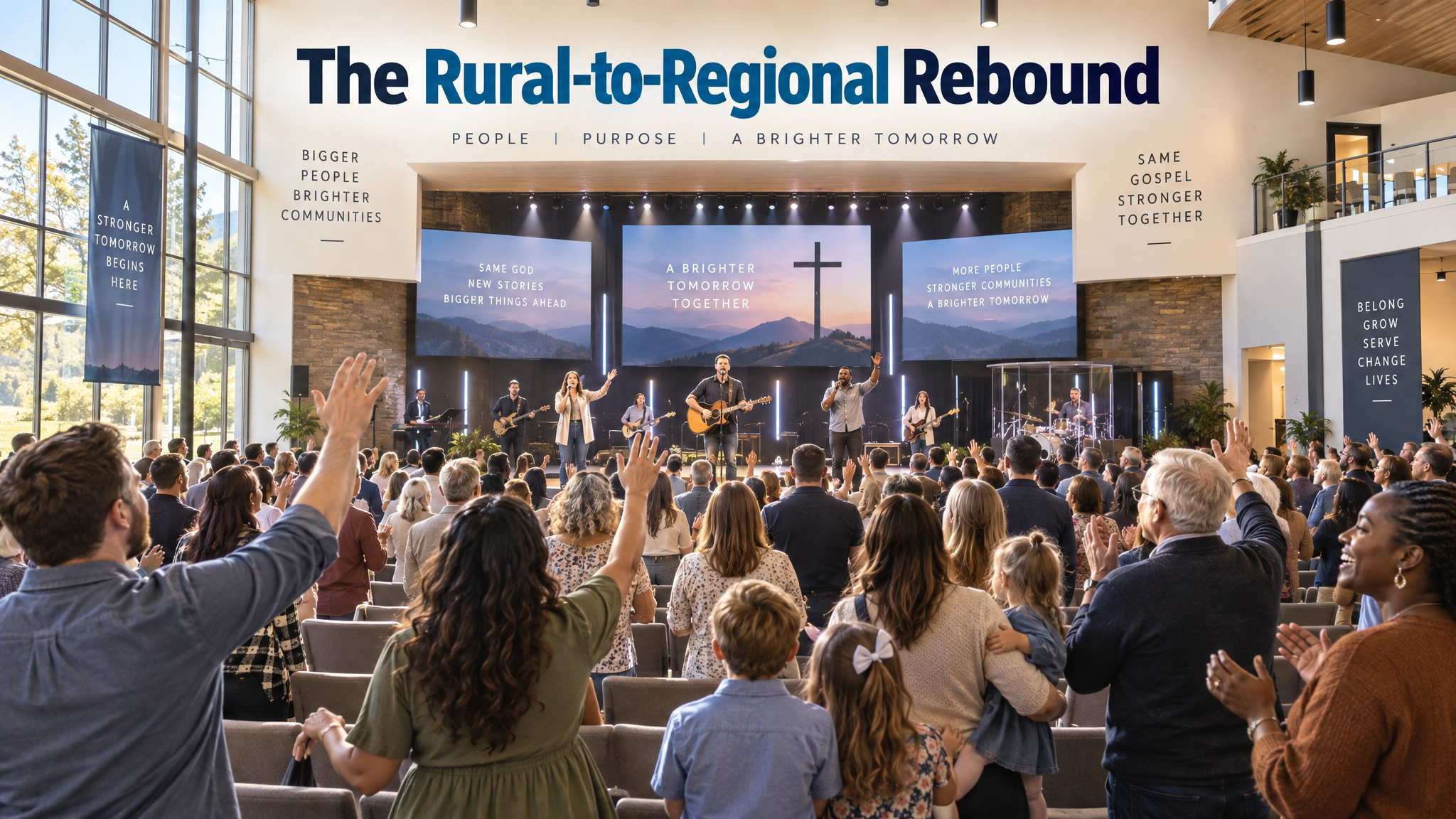
The Rural-to-Regional Rebound: A Case Study on Scaling Sustainable Church Growth Through Digital Integration at Northwood Community Church

Discipleship
The Discipleship Engine: A How-To Guide for Designing Scalable Micro-Group Ecosystems for Sustainable Spiritual Formation
Explore FaithBridge