The Burnout Buffer: A Case Study on Architecting Scalable Sabbatical Systems and Mental Health Infrastructure for High-Capacity Pastoral Teams

The Burnout Buffer: A Case Study on Architecting Scalable Sabbatical Systems and Mental Health Infrastructure for High-Capacity Pastoral Teams
In the rapidly evolving landscape of modern ministry, the "burnout buffer" has become a critical architectural requirement for any scaling church. As congregations grow and the complexity of pastoral care increases, the individual capacity of even the most resilient leaders is being tested. High-capacity pastoral teams are identifying that the traditional model of "ministry until exhaustion" is not only unsustainable but strategically dangerous. By architecting scalable sabbatical systems and robust mental health infrastructure, FaithBridge helps churches transition from reactive crisis management to proactive leadership health. This case study examines how Central Valley Community Church (CVCC) implemented a systematic approach to preventing pastoral burnout while maintaining high-performance ministry expansion.
The Challenge: Scaling Ministry Without Sacrificing the Shepherd
Central Valley Community Church faced a common dilemma among high-growth ministries. Within three years, the church had expanded from a single campus of 800 to four locations serving over 3,500 people. While the mission was thriving, the pastoral team was fracturing. The lead pastors and site directors were managing 60-hour weeks, navigating the intersection of complex administration and intense emotional labor. Without a centralized framework for rest, sabbaticals were viewed as individual emergencies rather than organizational rhythms.
The primary pain point was the "single point of failure" risk. If a key leader crashed due to mental exhaustion, the entire campus operation would stall. CVCC needed an interoperable system that would allow for leadership rotation without losing operational momentum. They recognized that sustainable church growth requires an infrastructure that prioritizes the longevity of the pastor as much as the growth of the congregation.
Identifying the Symptoms of Systemic Exhaustion
Before implementing the buffer, CVCC conducted a tech-assisted mental health audit of their staff. The results were telling:
- 75% of the pastoral team reported symptoms of decision fatigue.
- 40% felt they lacked a clear path for extended rest.
- Over 60% believed that "taking a break" would negatively impact their team's productivity.
It became clear that burnout wasn't just a personal failure; it was a structural one. The church's operating manual didn't have a protocol for "high-capacity rest."
The Framework: Architecting the Sabbatical Ecosystem
To address these challenges, CVCC worked with FaithBridge to design a comprehensive Burnout Buffer Ecosystem. This wasn't just a policy update; it was a full integration of spiritual health into the church's core operational systems. The framework was built on three scalable pillars: Rhythmic Sabbaticals, Mental Health Pipelines, and The "Co-Pilot" redundancy model.
1. Rhythmic Sabbatical Systems
The church moved away from the "six-year wait" model. Instead, they implemented a tiered sabbatical rhythm that scaled with the leader’s tenure:
- Annual Mini-Sabbaticals: One full week of detached rest every six months.
- Strategic Micro-Breaks: A mandatory "digital detox" weekend every quarter.
- The Seven-Year Reset: A three-month intensive sabbatical, pre-funded and pre-scheduled three years in advance.
By automating the scheduling of these rests via FaithBridge’s leadership dashboard, the church ensured that rest was a non-negotiable line item, just like the annual budget.
2. Mental Health Infrastructure
CVCC integrated professional counseling into their staff benefits in a way that de-stigmatized the process. They created a "Counseling Credit" system where every pastoral staff member was required to meet with a specialized ministry therapist once a month. This wasn't seen as therapy for the broken, but as "coaching for the healthy."
Furthermore, they utilized internal data pipelines to monitor staff health indicators, such as excessive late-night communication or missed vacation days. When the system flagged a high-risk pattern, the executive team received a notification to initiate a proactive health check-in.
3. The Co-Pilot Redundancy Model
To enable these sabbaticals without slowing down the ministry, CVCC adopted a "Co-Pilot" model for every key leadership role. Every site pastor had a designated successor-in-training who was empowered to lead the campus for up to four weeks. This created a scalable leadership pipeline and ensured that the "Burnout Buffer" didn't create an "Operational Gap."
The Results: Sustainable Growth and Leadership Longevity
The implementation of the Burnout Buffer led to a measurable transformation in CVCC’s culture and performance. Within 18 months, the church observed significant improvements in both qualitative and quantitative metrics.
Quantitative Improvements in Staff Health
- 100% Retention Rate: No pastoral staff members left due to burnout in the subsequent two years, compared to a 15% turnover rate previously.
- 30% Increase in Strategic Output: Refreshed leaders produced higher-quality teaching and more innovative outreach strategies.
- 90% Sabbatical Compliance: All tier-one leaders took their scheduled rests, facilitated by the automated system.
Qualitative Cultural Shifts
Beyond the numbers, the church experienced a shift in its spiritual atmosphere. The staff began to model healthy boundaries for the congregation, creating a culture of sustainable discipleship. The lead pastor noted, "We stopped measuring our faithfulness by our fatigue and started measuring it by our fruit and our longevity."
Conclusion: Building for the Long Haul
The case of Central Valley Community Church proves that leadership burnout is a solvable architectural problem. When churches invest in scalable sabbatical systems and mental health infrastructure, they aren't just protecting their pastors; they are securing the future of their mission. Architecting a "Burnout Buffer" is an act of strategic stewardship that ensures your church can scale without losing the heart of those leading it.
As you look at the growth goals for your own ministry, ask yourself: Is your current leadership infrastructure built for a sprint or a marathon? The long-term health of your congregation depends on the sustainability of your team.
Ready to Scale Your Leadership Health?
At FaithBridge, we provide the tools and frameworks to help your church build a sustainable future. From leadership dashboards to mental health tracking systems, our platform is designed to support the modern, scaling ministry.
[Try FaithBridge Today] and start architecting a culture of sustainable, high-performance leadership.
Frequently asked questions
What is a 'Burnout Buffer' in a church context?
A Burnout Buffer is a structured organizational ecosystem designed to proactively prevent pastoral exhaustion through rhythmic rest, mental health support, and leadership redundancy.
How do scalable sabbatical systems differ from traditional sabbaticals?
Scalable sabbatical systems move away from one-off, tenure-exhaustion models toward rhythmic, pre-scheduled, and automated rest cycles that are integrated into the church's operational budget and schedule.
Why is leadership redundancy important for pastoral health?
Redundancy ensures that no single leader is a 'single point of failure,' allowing pastors to take necessary rest without the ministry's operations coming to a halt.
Can small churches implement a Burnout Buffer?
Yes. While the scale may differ, the principles of rhythmic rest and mental health support can be adapted to smaller teams by prioritizing health in the community culture and budgeting for micro-breaks.
Related articles

Pastoral Leadership
The Transition Engine: A Case Study on Successful Lead Pastor Succession and Cultural Continuity at Grace Collective
Church Growth
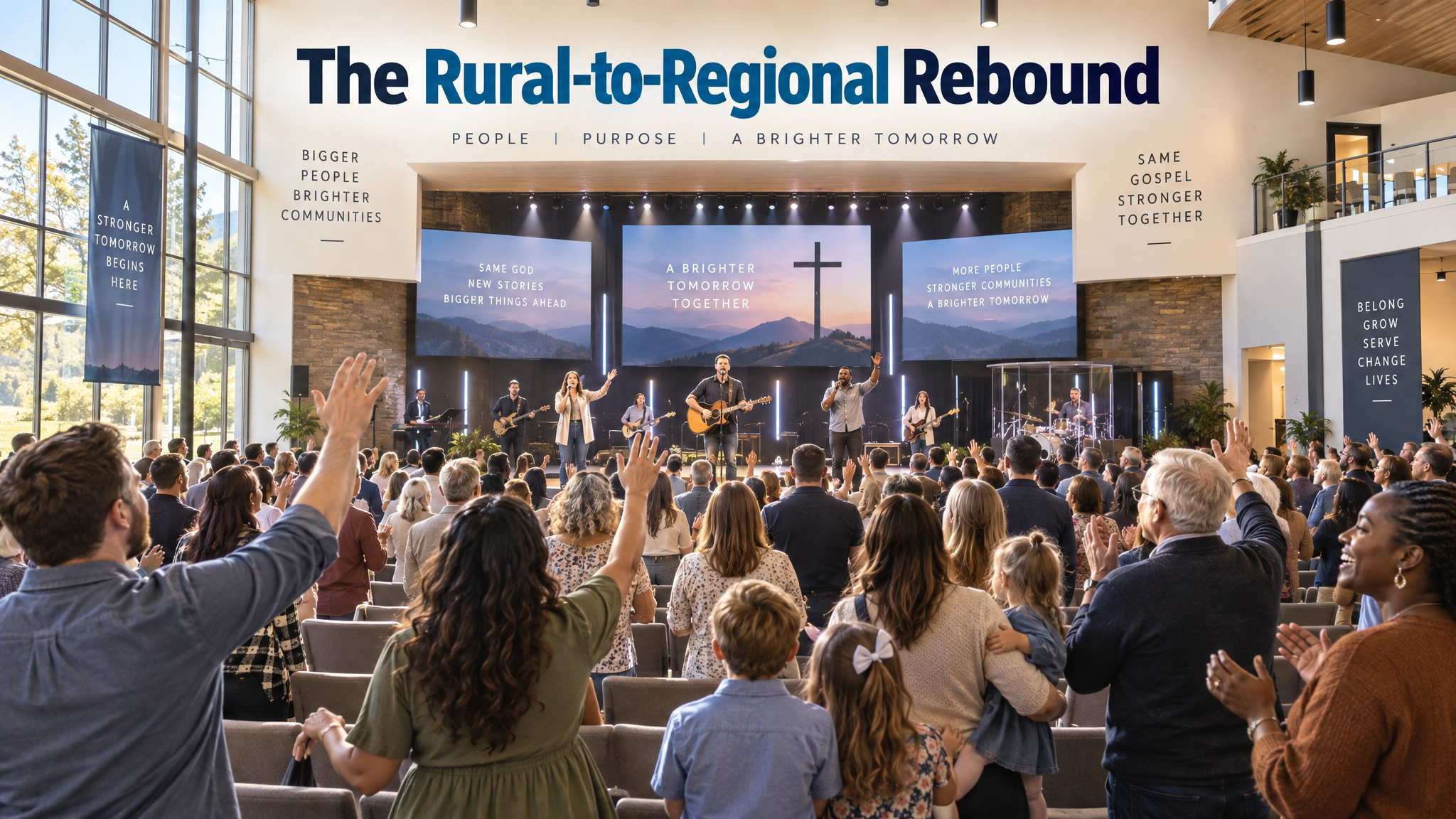
The Rural-to-Regional Rebound: A Case Study on Scaling Sustainable Church Growth Through Digital Integration at Northwood Community Church

Discipleship
The Discipleship Engine: A How-To Guide for Designing Scalable Micro-Group Ecosystems for Sustainable Spiritual Formation
Explore FaithBridge