Beyond the Breadline: 12 Best Practices for Architecting Sustainable Community Empowerment Ecosystems in High-Growth Churches
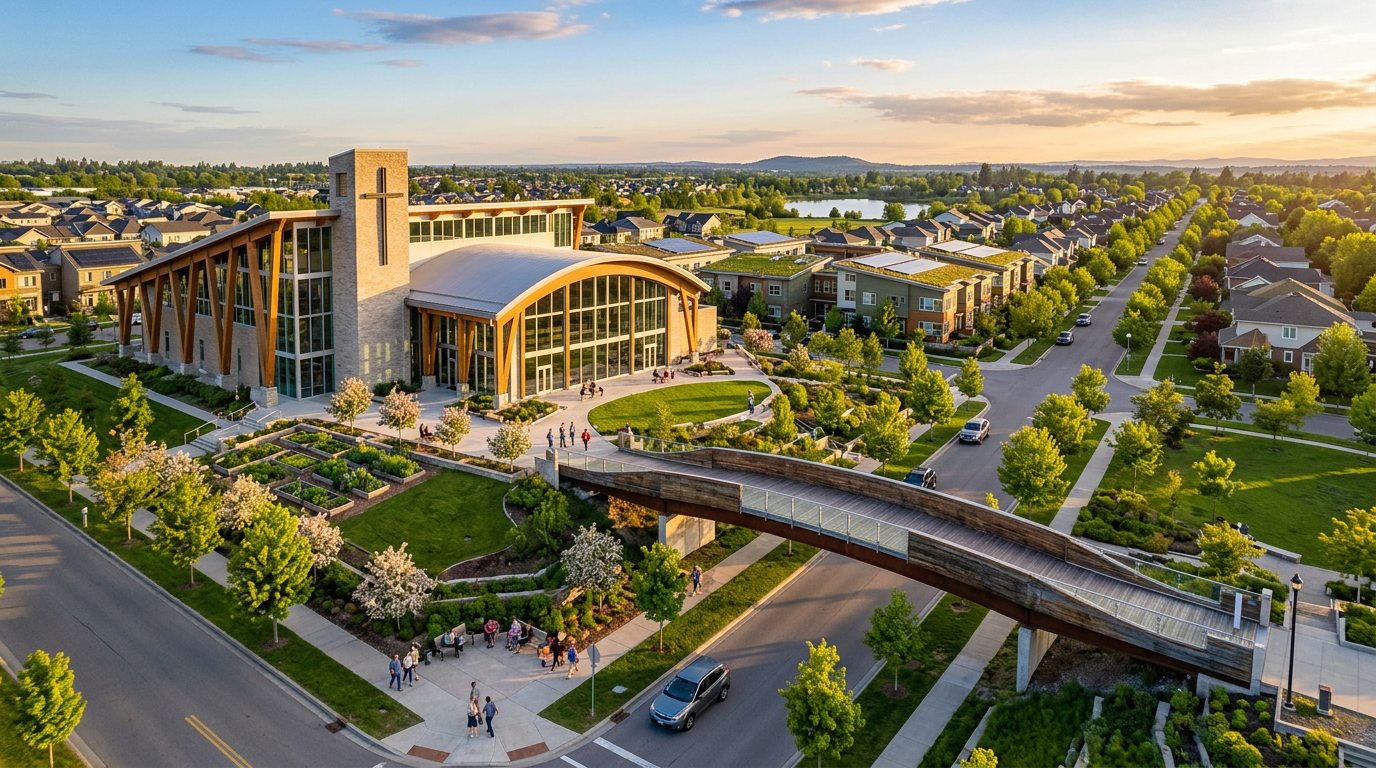
Beyond the Breadline: 12 Best Practices for Architecting Sustainable Community Empowerment Ecosystems in High-Growth Churches
For high-growth churches, the transition from simple benevolence to sustainable community outreach is often the most significant hurdle in their maturation process. While distributing food or clothing meets immediate needs, it rarely addresses the systemic issues that keep communities in a cycle of dependency. To truly bridge the gap between faith and flourishing, modern ministry leaders must architect ecosystems of empowerment that move beyond relief and toward restoration.
FaithBridge is designed to help churches manage these complex outreach systems, but technology is only as effective as the strategy behind it. In this guide, we explore the essential best practices for building a community outreach model that scales with your growth while deepening your impact.
The Shift from Relief to Restoration
Relief is an immediate response to a crisis—a "stop-gap" measure that provides life-sustaining assistance. Restoration, however, is the long-term process of returning a community to its intended state of health and self-sufficiency. For a church experiencing rapid growth, the temptation is to simply scale the relief model. But true community outreach requires a more nuanced architecture.
When we talk about "architecting ecosystems," we are referring to the intentional design of partnerships, resource pipelines, and human development tracks that work together to create lasting change.
12 Best Practices for Sustainable Community Outreach
1. Conduct a "Lived Experience" Audit
Before launching any new outreach program, leaders must listen to those they intend to serve. A "lived experience" audit involves interviewing local residents, community leaders, and social service providers to identify not just what they need, but what assets already exist. Do not build what the community can already do for itself.
2. Prioritize Asset-Based Community Development (ABCD)
Traditional outreach focuses on "deficits"—what the community lacks. Asset-Based Community Development focuses on what the community has. By identifying local talents, community gardens, or small businesses, the church becomes a catalyst for existing local strength rather than just a provider of external goods.
3. Move from "For" to "With"
The most sustainable outreach models are those where the community is a co-creator. Instead of doing ministry for the neighborhood, do it with them. This means including community members on your planning teams and empowering them to lead the initiatives that affect their lives.
4. Implement a Dual-Track Benevolence System
Differentiate between "Emergency Relief" and "Developmental Empowerment." Use your donor management software, like FaithBridge, to tag resources and volunteers appropriately. Emergency relief should be fast and low-barrier, while developmental tracks should require deeper relationship and mutual commitment.
5. Architect Cross-Sector Partnerships
No church, regardless of its size, can solve community problems alone. Sustainable ecosystems require partnerships with local government, NGOs, and for-profit businesses. Your church should serve as a "neighborhood nexus," connecting disparate resources into a unified web of support.
6. Focus on Workforce Development, Not Just Handouts
Economic stability is the foundation of community health. Best practices suggest that churches should invest in job skills training, resume workshops, and financial literacy classes. By helping members of the community secure stable employment, you are providing the ultimate form of sustainable outreach.
7. Leverage Data for Predictive Impact
High-growth churches must move beyond anecdotal success stories. Use data-driven systems to track outcomes over time. Are the people receiving your services becoming more self-sufficient? If the data shows a perpetual reliance on the breadline, it’s time to re-evaluate the strategy.
8. Build a "Volunteer Advocacy" Culture
Instead of just asking for "hands to serve," train your congregation to be "community advocates." This shift ensures that your volunteer base is not just performing tasks but is building long-term relationships with community members, which is the primary driver of transformation.
9. Create "Circular Economy" Outreach Programs
Identify ways to make your outreach programs financially self-sustaining. For example, a church cafe that employs at-risk youth or a community garden that sells produce to local markets. These "social enterprises" can fund the ministry while providing valuable training.
10. Standardize Crisis Intervention Workflows
To avoid leadership burnout, automate the administrative side of outreach. Standardizing workflows for intake, resource allocation, and follow-up allows your team to focus on the human side of the relationship rather than the paperwork.
11. Practice "Holistic Stewardship"
Sustainable outreach requires a commitment to the whole person—spiritual, physical, emotional, and social. Ensure your teams are trained in trauma-informed care and have clear referral pathways for mental health services.
12. Establish Long-Horizon Success Metrics
Transformation takes years, not weeks. Set metrics that reflect this reality. Instead of counting "meals served," count "families moved above the poverty line" or "children enrolled in stable after-school care" over a three-to-five-year period.
Conclusion: Bridging the Gap
Architecting a sustainable community outreach ecosystem is not a one-time project; it is a long-term commitment to the flourishing of your neighborhood. By moving beyond the breadline and toward empowerment, your church becomes more than just a place of worship—it becomes a vital pillar of the community that drives real, lasting restoration.
The growth of your church should be measured not just by the height of your steeple, but by the depth of your impact in the streets around you.
Take the Next Step with FaithBridge
Managing a complex, data-driven outreach strategy requires the right infrastructure. FaithBridge offers the comprehensive management tools needed to track partnerships, manage volunteer advocacy teams, and analyze community impact data in real-time.
Are you ready to move your church’s outreach from relief to restoration? Visit FaithBridge today to see how our platform can empower your mission and scale your impact.
Frequently asked questions
What is the difference between relief and restoration in community outreach?
Relief is an immediate response to a crisis, providing life-sustaining assistance. Restoration is a long-term developmental process aimed at returning a community to health and self-sufficiency.
How can data improve church community outreach?
Data-driven systems like FaithBridge allow churches to track long-term outcomes, such as self-sufficiency rates, rather than just immediate metrics like meals served, ensuring the strategy is truly effective.
What is Asset-Based Community Development (ABCD)?
ABCD is a methodology that focuses on identifying and leveraging the existing strengths, talents, and resources within a community, rather than solely focusing on its needs or deficits.
Why are cross-sector partnerships important for large churches?
Complex community issues require more resources than any single organization can provide. Partnerships with government, NGOs, and businesses create a more resilient and effective support web.
Related articles
Community Outreach
Event-Based Outreach vs. Presence-Based Incarnation: A Strategic Comparison for Scaling Sustainable Neighborhood Transformation
Church Growth
The Rural-to-Regional Rebound: A Case Study on Scaling Sustainable Church Growth Through Digital Integration at Northwood Community Church

Discipleship
The Discipleship Engine: A How-To Guide for Designing Scalable Micro-Group Ecosystems for Sustainable Spiritual Formation
Explore FaithBridge