The Distributed Shepherd: A Case Study on Architecting Scalable Team-Based Pastoral Care at Heritage Bible Church

Introduction: The Challenge of the Solo Shepherd
For many years, Heritage Bible Church followed the traditional model of pastoral care—a model often referred to as the "Solo Shepherd." In this framework, the lead pastor or a small team of ordained ministers carried the primary weight of the congregation's spiritual and emotional needs. As the church grew from 200 to 1,200 members, the limitations of this centralized system became painfully apparent. The pastors were facing burnout, and congregants were feeling neglected, with pastoral visits and crisis counseling falling through the cracks of a busy schedule.
The realization was clear: a growing church cannot be sustained by the heroics of a few. To scale effectively without losing the "heart" of ministry, Heritage Bible Church needed to transition from a centralized pastoral care model to a distributed, team-based architecture. This case study explores how they designed, implemented, and scaled a "Distributed Shepherd" framework that not only relieved the pressure on staff but actually increased the quality and frequency of care across the entire congregation.
Phase 1: Identifying the Architectural Bottlenecks
The first step for the leadership at Heritage was a cold, hard look at their existing workflows. They identified three primary bottlenecks that were preventing scalable care:
- Information Centralization: All care requests went to a single intake point (the church office), creating a delay in response.
- Skill Silos: Only ordained staff were "allowed" or felt equipped to handle significant pastoral issues, leaving a massive reservoir of lay-leader talent untapped.
- Reactive vs. Proactive Rhythms: The system was built for crisis management rather than ongoing spiritual health monitoring.
To address these, Heritage Bible Church decided to treat pastoral care as a "system" rather than just a "service." They needed an infrastructure that could support a multi-layered approach to care, where every member felt seen and supported by someone in their immediate circle of influence.
Phase 2: Designing the Distributed Care Ecosystem
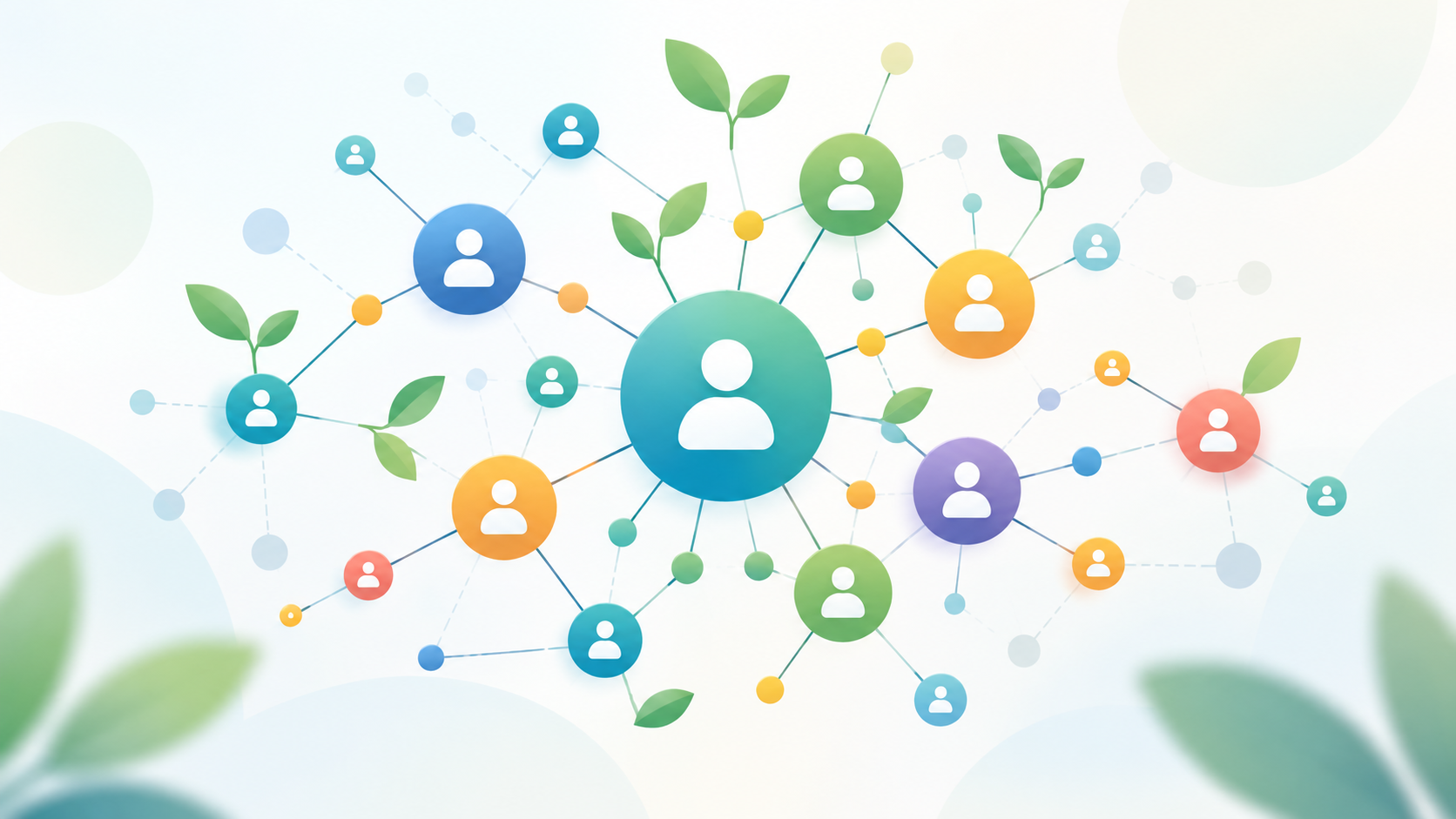
The "Distributed Shepherd" model was built on a three-tier architecture, designed to ensure that no single person carried more than a manageable "care load."
Tier 1: Small Group Care (The Front Line)
The primary unit of care shifted from the pastor to the Small Group Leader. Heritage redesigned their small group curriculum to include "Care Rhythms." Group leaders were trained not just as teachers, but as the first responders for spiritual and emotional needs within their groups. By decentralizing the "first touch," the church effectively increased its "shepherding staff" from 5 to over 80 overnight.
This tier is crucial because it leverages the existing relational equity within the church. Most crises are preceded by subtle shifts in behavior—withdrawing from community, changes in attendance, or a general sense of malaise. Small group leaders, who interact with their members weekly, are perfectly positioned to spot these signs early. At Heritage, they implemented a "10-minute check-in" at the start of every leader meeting where they discussed the "relational temperature" of their groups, ensuring that no one was slipping into isolation.
Tier 2: Specialized Care Teams (The Technical Layer)
Recognizing that some needs exceed the capacity of a small group leader, Heritage developed specialized volunteer-led teams. These included:
- Hospitality & Visitation: Focused on hospital stays and homebound members, providing meals and presence when it's needed most.
- Grief & Support: Trained to walk with members through loss, offering both emotional support and practical guidance for the weeks following a funeral.
- Financial Coaching: Addressing the stewardship and crisis-finance needs that often drive spiritual distress, helping members build sustainable budgets and find debt-relief pathways.
- Mental Health First Aid: A team trained to recognize the signs of mental health struggles and provide the initial support needed before referring to professional counseling.
By creating these specialized pipelines, the church ensured that complex needs were handled by people with a specific passion and training for that area, further reducing the cognitive load on the general pastoral staff.
Tier 3: Professional Pastoral Oversight (The Governance Layer)
In this new model, the ordained staff moved from being the primary "doers" of care to being the "architects" and "equippers." Their role became one of governance—overseeing the systems, training the leaders, and stepping in only for high-complexity cases that required professional or legal expertise. This shift was not about "doing less work," but about doing the "right work" that only they could do.
They focused on creating the curriculum for the Care Academy, conducting high-level crisis interventions, and mentoring the Tier 1 and Tier 2 leaders. This top-down support ensured that the distributed leaders felt backed by the full authority and resources of the church, preventing the "volunteer fatigue" that so often plagues decentralized systems.
Phase 3: Implementing the Tech-Enabled Care Pipeline
Scaling a distributed model requires robust communication and data management. Heritage Bible Church implemented an integrated Church Management System (ChMS) to track care interactions without losing the personal touch.
Automating the Intake and Routing
Instead of a single email address or a stack of paper prayer requests, the church created a digital "Care Portal" accessible via the church app and website. Requests were automatically routed to the relevant Tier 1 or Tier 2 leaders based on the type of need selected. If a Small Group Leader entered a "hospitalization" note in the ChMS, a notification was immediately sent to the Visitation Team and the Lead Pastor's "FYI" dashboard. This eliminated the manual handoff, reduced response time from 48 hours to under 2 hours, and ensured that nothing was missed in the shuffle of a growing organization.
The "Wellness Dashboard" and Predictive Care
The leadership team developed a simple but powerful "Wellness Dashboard" within their data platform. By tracking participation in small groups, volunteer engagement, and attendance trends, they could proactively identify members who might be "drifting" before a crisis occurred. For example, if a member missed three consecutive small group meetings, the system flagged them for a "relational check-in."
This shift from reactive to proactive care was the single biggest contributor to the church's 92% retention rate during their period of rapid growth. They weren't just putting out fires; they were identifying the "smoke" of disconnection and addressing it before it became an inferno.
Deep-Dive: The Cultural Shift Required
One of the most significant hurdles Heritage faced wasn't technical; it was cultural. The congregation had to be taught that "care from a lay-leader is still pastoral care." To facilitate this, the leadership team launched a series called "The Body of Christ in Motion." They emphasized that every member has a role in shepherding one another.
They also implemented a "Commissioning Sunday" for their care team volunteers, publicly recognizing them in front of the congregation. This gave the lay-leaders the visible "stamp of approval" from the lead pastors, which was essential for building trust among the members receiving the care. Without this public endorsement, many congregants would still have insisted on "only seeing the Senior Pastor."
Lessons Learned: Key Best Practices for Scalability
The success at Heritage Bible Church offers several critical takeaways for any church looking to scale its pastoral care:
1. Shift the Identity of the Lead Pastor
The lead pastor must embrace the role of "Equipper" (Ephesians 4:12). If the congregation still views the lead pastor as the only "real" source of care, the system will always be limited by that pastor's capacity. Heritage spent six months teaching on the "Priesthood of all Believers" to prepare the soil for this shift. They had to model this by openly delegating high-profile hospital visits to their Tier 2 leaders, showing the congregation that the "system" was the shepherd, not just the man in the pulpit.
2. Invest Heavily in Lay-Leader Training
You cannot distribute care without equipping the distributors. Heritage created a "Care Academy"—a robust 6-week training module covering active listening, basic biblical counseling, boundary setting, and when to refer a case to the professional staff. This built the confidence of lay-leaders and ensured a consistent quality of care across the board. They also provided ongoing "case supervision" meetings once a month where leaders could bring their challenges and receive feedback in a safe environment.
3. Establish Clear Escalation Triggers and Boundaries
A distributed system fails if people don't know when to ask for help or when they've reached their limit. Heritage provided every leader with a "Care Matrix" that clearly defined which situations should stay at the small group level (e.g., a common illness, job loss transition) and which required immediate escalation (e.g., thoughts of self-harm, marital abuse, or legal issues). This protected the volunteers from being "in over their heads" and ensured the safety of the congregants.
4. Maintain the "Human Connection" in the Digital System
The biggest fear in implementing a tech-enabled system is that care becomes "clinical." Heritage solved this by ensuring that the technology always served the relationship. The system was used to facilitate the connection (routing the request, providing the phone number), but the care itself was always face-to-face or voice-to-voice. The ChMS was the "spine" that supported the body, but the members were the heart and hands.
Conclusion: The Sustainable Future of Pastoral Care
Today, Heritage Bible Church is more than just a large congregation; it is a healthy, connected body where care flows naturally through the system. By architecting a "Distributed Shepherd" model, they have proven that growth does not have to come at the expense of intimacy. In fact, their members report feeling more cared for now than they did when the church was a fraction of its current size.
For church leaders facing the pressures of growth, the message is simple: don't just work harder—build a better system. Transitioning to a team-based, tech-enabled pastoral care framework is the only way to ensure that your church remains a place of healing and hope, no matter how many people walk through the doors.
Take the Next Step with FaithBridge
Managing a distributed pastoral care system requires the right tools. FaithBridge is designed to help you architect the systems that scale your ministry without losing your heart. From integrated care tracking to proactive engagement dashboards, FaithBridge gives you the infrastructure you need to lead your church into a sustainable future.
Discover how FaithBridge can help you build your own "Distributed Shepherd" model. Schedule a demo today.
Frequently asked questions
What is the Distributed Shepherd model?
It is a three-tier pastoral care architecture that decentralizes care from the lead pastor to small group leaders and specialized volunteer teams.
How did Heritage Bible Church maintain quality in a distributed system?
Through a robust 'Care Academy' training program and clear escalation triggers defined in a care matrix.
Can technology improve pastoral care?
Yes, by automating intake and routing, and using wellness dashboards to proactively identify members who are disconnecting.
What is the biggest challenge in shifting to distributed care?
The primary challenge is cultural—teaching the congregation that care from a lay-leader is valid and endorsed by the pastoral staff.
Related articles

Pastoral Leadership
The Transition Engine: A Case Study on Successful Lead Pastor Succession and Cultural Continuity at Grace Collective

Church Growth
The Rural-to-Regional Rebound: A Case Study on Scaling Sustainable Church Growth Through Digital Integration at Northwood Community Church
Discipleship
The Discipleship Engine: A How-To Guide for Designing Scalable Micro-Group Ecosystems for Sustainable Spiritual Formation
Explore FaithBridge