The Generosity Architecture: A Deep-Dive into Building a Sustainable, Multi-Channel Stewardship Ecosystem that Scales
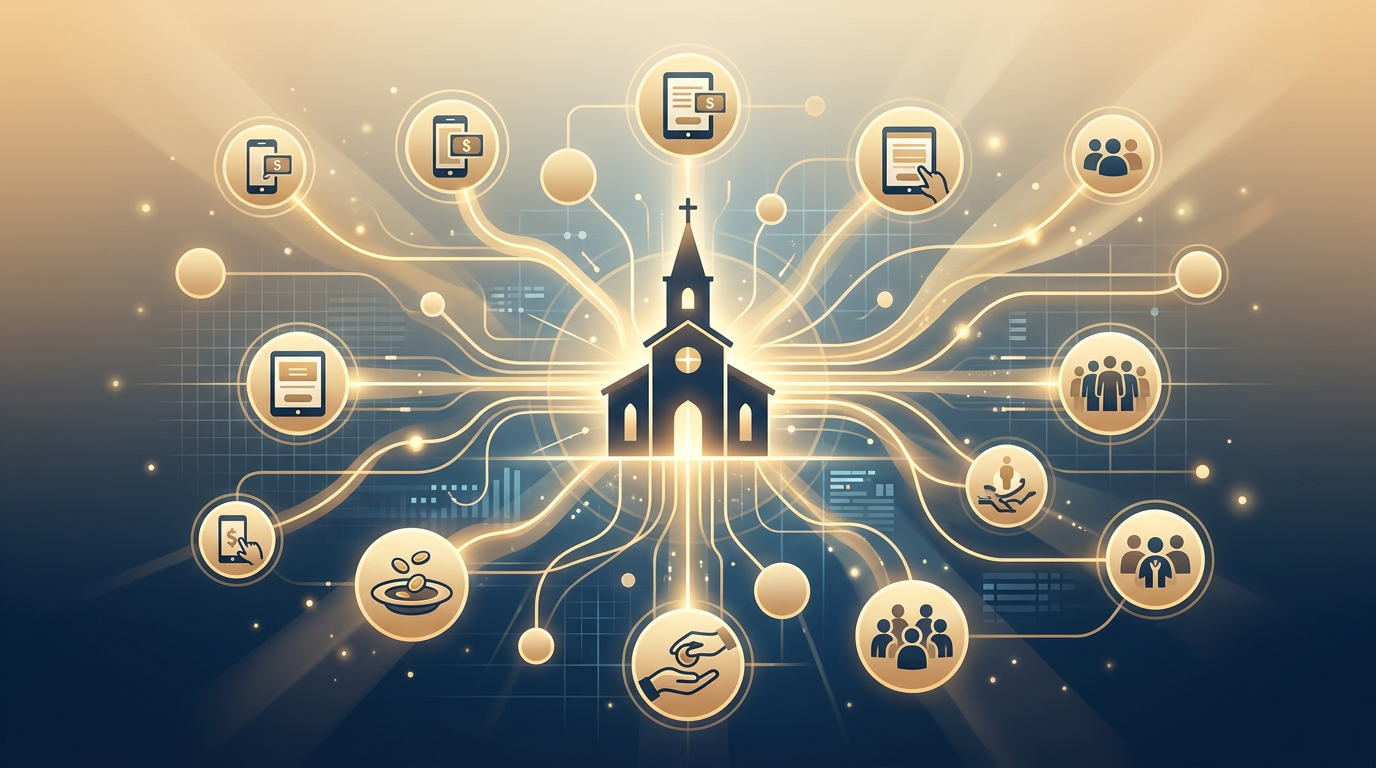
The Generosity Architecture: A Deep-Dive into Building a Sustainable, Multi-Channel Stewardship Ecosystem that Scales
Understanding the Shift: From Periodic Pledges to Perpetual Stewardship
In the rapidly evolving landscape of the modern ministry, the traditional model of the "passing plate" is no longer the sole pillar of financial sustainability. While the heart of giving remains rooted in biblical principles of sacrifice and worship, the mechanisms by which a congregation expresses that generosity have shifted dramatically. For a growing church, the challenge is not just about increasing the total dollar amount; it is about architecting a resilient, multi-channel stewardship ecosystem that can withstand economic fluctuations, demographic shifts, and technological disruptions.
This deep-dive explores the "Generosity Architecture"—a strategic framework designed to move beyond transactional giving towards a holistic, integrated system of stewardship. We will examine how multi-channel pipelines, data-driven engagement, and relational-first technology work together to create a sustainable foundation for ministry expansion.
The Three Pillars of a Modern Stewardship Ecosystem
To scale stewardship effectively, a church must build upon three foundational pillars. Each pillar supports a different aspect of the donor journey and ensures that the financial health of the organization is not dependent on a single point of failure.
1. Digital Ubiquity: Reducing Friction Across Every Touchpoint
The first pillar is the elimination of friction. In a digital-first world, any barrier between the impulse to give and the act of giving results in lost momentum. A multi-channel ecosystem ensures that whether a member is sitting in a sanctuary, watching a livestream from their living room, or engaging with a mid-week podcast, the opportunity to support the mission is always one click away.
This includes:
- Integrated Mobile Giving: Going beyond a simple web form to provide a seamless, authenticated mobile experience.
- Recurring Digital Commitments: Shifting the focus from one-time emotional gifts to planned, consistent giving that stabilizes the church’s monthly cash flow.
- SMS and QR Code Integration: Leveraging low-barrier technology for immediate, contextual giving during specific calls to action.
2. Radical Financial Transparency: Building the Bridge of Trust
Modern givers, particularly Millennial and Gen Z congregants, demand a high level of accountability. They do not just want to "give to the church"; they want to "invest in the mission." The second pillar of our architecture is transparency. By providing real-time visibility into how resources are allocated—showing the direct correlation between a gift and a life changed—the church builds a "Transparency Bridge" that sustains long-term commitment.
3. Personalization at Scale: Moving from Mass Appeal to Individual Discipleship
The third pillar is the shift from generic appeals to personalized stewardship pathways. Every giver is at a different stage of their spiritual journey. A college student making their first small gift needs a different level of engagement and education than a business owner considering a major capital contribution. A scalable ecosystem uses data-driven insights to provide the right encouragement and gratitude at the right time, treating giving as a form of discipleship rather than a budget line item.
Designing the Multi-Channel Pipeline: A Technical Strategy
A truly resilient architecture does not just add more ways to give; it integrates them into a unified data environment. When your digital giving platform, your database of record, and your communication tools are siloed, the "Generosity Architecture" begins to crumble under the weight of administrative overhead.
The Problem with Fragmented Giving Channels
Many churches suffer from "channel sprawl." They have one provider for text-to-give, another for the website, and a manual process for tracking physical checks. This fragmentation creates three primary risks:
- Inaccurate Reporting: Leaders cannot get a clear, real-time picture of the church’s financial health.
- Poor Member Experience: Givers receive multiple, disconnected communications that don't reflect their total contribution.
- Security Vulnerabilities: Multiple entry points for sensitive financial data increase the risk of breach.
Implementing a Unified Data Ecosystem
The solution is to architect an interoperable tech stack. Your giving channels should be "nodes" that feed into a central "hub." This hub (ideally your Church Management System or a dedicated stewardship platform like FaithBridge) becomes the single source of truth.
When a gift is made—no matter the channel—the system should automatically:
- Update the member's giving record.
- Trigger a contextual, personalized thank-you message.
- Assign the funds to the correct budgetary bucket.
- Alert leadership if a major milestone (like a first-time gift) has occurred.
Cultivating a Culture of "Total Stewardship"
While the technology provides the infrastructure, the culture provides the energy. The Generosity Architecture must be supported by a theological framework that moves beyond the budget and into the heart.
From Scarcity to Abundance: Reframing the Narrative
Many stewardship campaigns are built on a narrative of scarcity: "We need $X to fix the roof." While these are necessary, they are not sustainable. A deep-dive architecture focuses on the narrative of transformation and abundance. We are not giving because the church has a need; we are giving because the world has a need, and we are the hands and feet through which that need is met.
Overcoming Objections to Digital Stewardship
Despite the clear benefits of a modern architecture, leaders often face internal resistance when shifting toward a digital-first stewardship model. These objections typically fall into three categories: tradition, security, and impersonality. Addressing these proactively is essential for a successful transition.
Objection 1: "It Removes the Worship from Giving"
Some congregants feel that clicking a button on a phone lacks the spiritual weight of physically placing an offering in a plate. To counter this, leaders must teach that worship is an internal disposition, not a physical gesture. Moreover, churches can incorporate "Digital Tithe Moments" into the service—a dedicated time for prayer where members are encouraged to reflect on their giving, whether that gift was scheduled earlier in the week or is being made in that moment electronically. The goal is to sanctify the technology, not sacrifice it.
Objection 2: "Is Our Data Actually Secure?"
With the rise of cyberattacks targeting non-profits, security concerns are valid. A resilient architecture addresses this by utilizing PCI-compliant processors and end-to-end encryption. Leaders can build trust by clearly communicating their security protocols and partnering with established platforms that prioritize data protection. FaithBridge, for example, uses enterprise-grade security to ensure that every transaction and every member record is shielded from unauthorized access.
Objection 3: "Automation Feels Impersonal"
There is a fear that recurring giving turns stewardship into a "utility bill" that people forget about. The architecture solves this through the "Gratitude Engine." By automating personalized impact reports and seasonal thank-you notes, the system actually increases the frequency and depth of relational touchpoints, ensuring that no giver ever feels like just a number in a database.
Practical Steps for Leadership: A Readiness Checklist
To implement this architecture, pastoral and administrative leaders should follow this 5-point readiness checklist:
- Friction Audit: Go through the process of giving to your church as if you were a first-time visitor. How many clicks does it take? Is the interface intuitive? If it takes more than 30 seconds to complete a gift, you have a friction problem.
- Technological Consolidation: Look at your bank statements. Are you paying for three different giving platforms? Consolidate your digital tools into a single, unified ecosystem. This reduces cost and, more importantly, eliminates data silos.
- Leadership Alignment: Ensure that your board, your finance team, and your pastoral staff are all speaking the same language regarding stewardship. Confusion at the top leads to hesitation in the pews.
- Defined Discipleship Pathways: Create a clear map of how you move someone from a non-giver to a first-time giver, a regular giver, and finally a sacrificial giver. Use your data hub to track these movements and intervene with encouragement when someone stalls.
- Budgeting for Innovation: Stewardship is not just about bringing money in; it's about wisely investing resources to scale the mission. Allocate a portion of your administrative budget specifically for the maintenance and evolution of your tech stack.
The Future of Church Stewardship: Emerging Trends to Watch
As we look toward the next decade of ministry, several key trends will shape the Generosity Architecture. Staying ahead of these shifts is the difference between a church that thrives and one that merely survives.
AI-Enhanced Giving Insights
The next frontier of stewardship is predictive. By using machine learning to analyze giving patterns, AI can identify "fading givers"—individuals whose contribution frequency has dropped—before they disengage entirely. This allows pastoral teams to reach out not with a request for money, but with a question of care: "We’ve noticed a change in your engagement; is everything okay? How can we pray for you?"
Cryptocurrency and Asset-Based Giving
While cash is the primary way people give, it represents only a small fraction of their total net worth. A scalable architecture must be prepared to accept non-cash donations, including stocks, real trusts, and digital assets like cryptocurrency. By enabling these channels, the church opens the door for major gifts that would otherwise be impossible.
The Rise of the "Phygital" Congregation
The "multi-channel" approach must now include those who participate exclusively in digital campuses or secondary "metaverse" expressions of church. These members are no less committed to the mission, but they require unique engagement strategies that fit their hybrid lifestyle. The stewardship ecosystem must be robust enough to bridge the gap between physical and digital presence seamlessly.
Conclusion: Building a Foundation that Scales
The Generosity Architecture is not a one-time project; it is a continuous process of refinement. By building a sustainable, multi-channel ecosystem, your church can move away from the stress of the "weekly gap" and toward the freedom of a fully-funded mission. When the infrastructure is seamless, the transparency is radical, and the engagement is personal, the act of giving becomes what it was always meant to be: a joyful expression of worship.
Start Architecting Your Church’s Future with FaithBridge
Building a multi-channel stewardship ecosystem doesn't have to be a technical nightmare. FaithBridge is designed to be the "Operational Engine" for your ministry, providing the unified data infrastructure, high-touch engagement tools, and seamless giving experience you need to scale your impact.
Ready to move beyond the plate? Contact our team today to see how FaithBridge can help you architect a culture of sustainable generosity in your congregation.
Frequently asked questions
What is the Generosity Architecture?
It is a strategic framework for moving beyond transactional giving into a holistic, multi-channel stewardship ecosystem supported by digital ubiquity, radical transparency, and personalized engagement at scale.
Why is a multi-channel giving system important?
Multi-channel systems reduce friction by allowing congregants to give through their preferred methods (mobile, recurring, SMS, QR codes), ensuring the church's financial health isn't dependent on a single point of failure.
How can I overcome congregation member objections to digital giving?
By proactively addressing concerns about worship, security, and impersonality through teaching, clear security communication, and maintaining personalized relational touchpoints even when using automation.
What is the 'Transparency Bridge'?
It is the trust built with givers through clear, real-time accountability and visibility into how church resources are being used to directly impact lives and support the ministry's mission.
How does FaithBridge support stewardship scaling?
FaithBridge provides a unified data infrastructure and high-touch engagement tools that eliminate channel sprawl and allow leaders to manage multi-channel giving with minimal administrative overhead.
Related articles
Giving & Stewardship
Restoring Trust: A Strategic How-To Guide for Architecting Radical Financial Transparency in Modern Ministry

Church Growth
The Rural-to-Regional Rebound: A Case Study on Scaling Sustainable Church Growth Through Digital Integration at Northwood Community Church

Discipleship
The Discipleship Engine: A How-To Guide for Designing Scalable Micro-Group Ecosystems for Sustainable Spiritual Formation
Explore FaithBridge