The Integrated Giving Ecosystem: A Case Study on Scaling Sustainable Church Stewardship through Unified Digital Pipelines
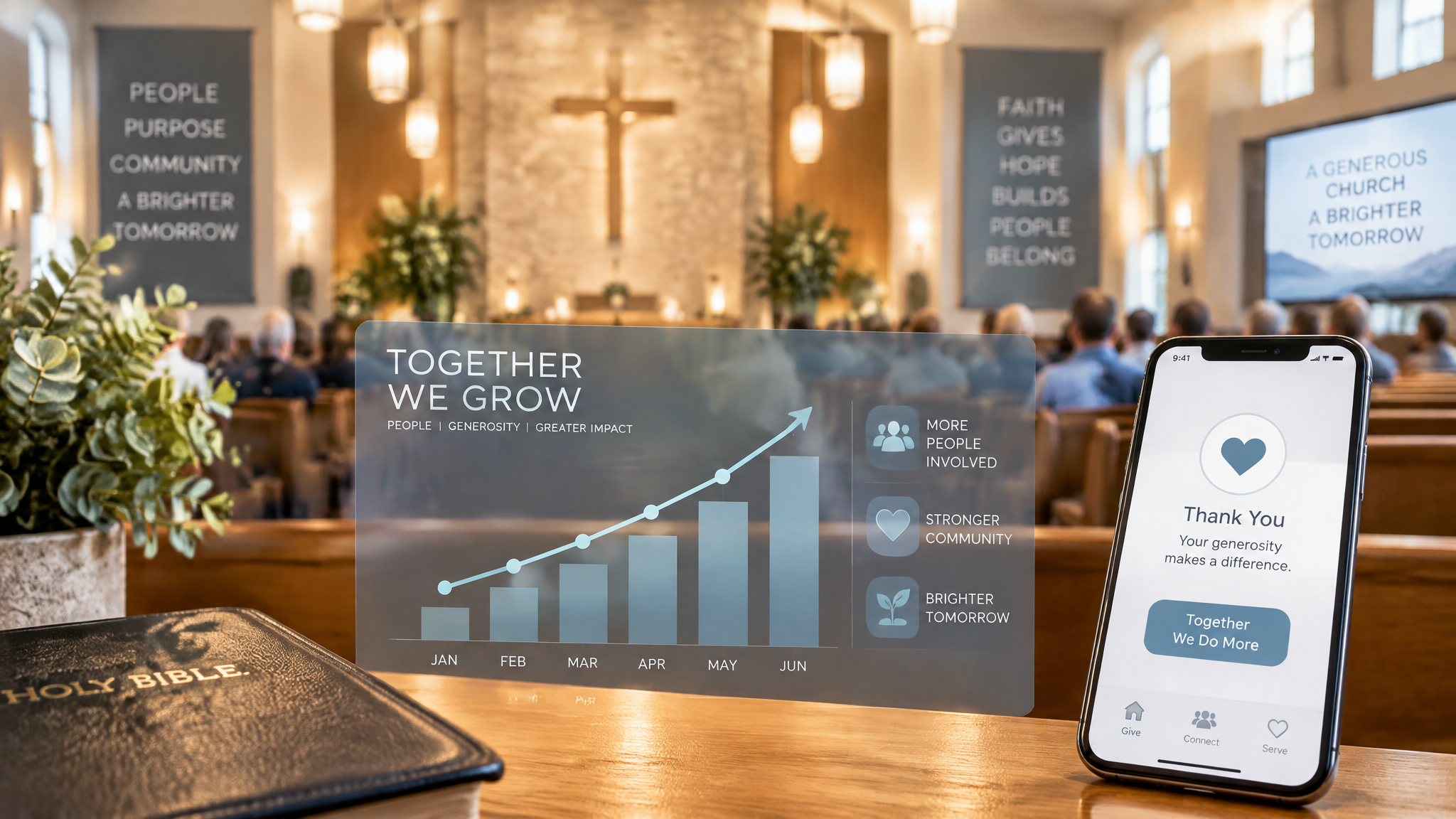
The Integrated Giving Ecosystem: A Case Study on Scaling Sustainable Church Stewardship through Unified Digital Pipelines
In the modern ministry landscape, stewardship is no longer just about the weekend offering plate. As congregations grow more distributed and multi-generational, the systems used to facilitate generosity must evolve from transactional tools into integrated ecosystems. Many churches struggle with "giving fragmentation"—a state where digital giving, physical offerings, and legacy pledges live in separate data silos, preventing a clear view of the church’s financial health and hindering the ability to nurture donors effectively.
This case study examines the transformation of Grace Collective Church, a multi-site congregation that successfully scaled its stewardship through the implementation of a unified digital pipeline. By moving away from fragmented platforms and embracing an integrated approach, Grace Collective didn't just increase their bottom line; they deepened the spiritual discipline of generosity across their entire community.
The Grace Collective Challenge: The Cost of Fragmentation
Two years ago, Grace Collective was facing a plateau in their giving. Despite a growing attendance, their total contributions remained stagnant. Upon audit, the leadership discovered three primary pain points:
- Friction-Heavy Giving Paths: Their existing giving app required a six-step login process that saw a 40% drop-off rate at the point of authentication.
- Data Silos: The finance team spent twenty hours a week manually reconciling data from four different platforms (App, Website, Text-to-Give, and Envelope).
- Lack of Personalization: Because they couldn't see a donor's full history across all channels, their "thank you" notes and year-end statements felt generic and failed to connect the donor’s gift to the mission’s impact.
The leadership realized that to sustain their exponential growth, they needed a system that functioned like an "ecosystem" rather than a set of disjointed tools.
Pillar 1: Architecting the Frictionless Flywheel
The first step in Grace Collective’s transformation was removing every possible barrier to generosity. They recognized that while the heart to give is spiritual, the act of giving is often hindered by technical hurdles.
They implemented a unified "One-Tap" giving flow integrated directly into their existing church app and website. By utilizing a system that stored secure payment tokens across all platforms, a member could give while watching a live stream or walking into the lobby without needing to remember a password or re-enter their card details.
The Lesson: Reducing friction isn't about making giving "easy" in a superficial sense; it’s about ensuring that the moment of spiritual conviction isn't lost to a technical error.
Pillar 2: Data Integration as a Strategic Asset
Grace Collective moved all giving data into an interoperable API-first ecosystem. By integrating their giving pipeline with their central database (CMS), they gained a real-time "Generosity Dashboard."
This dashboard allowed pastors to see trends before they became crises. For example, they could identify a sudden drop in recurring giving within a specific demographic and reach out with pastoral care, often discovering that the member was facing a job loss or a family emergency. The data became a tool for ministry, not just accounting.
Pillar 3: From Transactional to Relational Nurture
With unified data, Grace Collective shifted their communication strategy. Instead of sending one generic year-end letter, they implemented automated yet highly personalized "Impact Pathways."
When a member gave to the youth ministry fund, the system automatically triggered a follow-up video showing the kids at summer camp, made possible by that fund. By closing the loop between the gift and the transformation, they moved donors from "one-time contributors" to "long-term partners."
Pillar 4: The Transparency Bridge
To scale stewardship, you must scale trust. Grace Collective leveraged their unified system to provide radical financial visibility. They created a "Live Progress" section in their member portal showing exactly how much had been raised for current initiatives and how those funds were being deployed.
This transparency eliminated the mystery of "where the money goes," which is a primary barrier for younger generations who are accustomed to high levels of accountability in the non-profit space.
The Results: Quantifiable Growth
Twelve months after launching their integrated stewardship ecosystem, Grace Collective reported:
- A 35% increase in total giving volume.
- A 52% rise in recurring monthly donors.
- A 70% reduction in administrative time spent on financial reconciliation.
- A 20% improvement in donor retention year-over-year.
More importantly, the pastoral team reported a significant increase in "stewardship conversations"—members coming forward to discuss how they could align their personal finances with their faith.
Implementing the Ecosystem with FaithBridge
The success of Grace Collective highlights a vital truth: the technology you choose to facilitate stewardship actually shapes the culture of generosity in your church.
Modern church leaders need more than a payment processor; they need a comprehensive platform that bridges the gap between technology and ministry. This is where FaithBridge excels. By providing an integrated, SEO-optimized, and data-driven framework for church management, FaithBridge allows leaders to build the very "Generosity Flywheel" that transformed Grace Collective.
Whether you are looking to scale a single-site church or manage a complex multi-site network, the principles of frictionless UX, unified data, and radical transparency are the keys to sustainable growth.
Conclusion
Scaling sustainable church stewardship requires a shift in perspective. It’s not about finding a new way to ask for money; it’s about architecting an environment where generosity can flourish naturally. By learning from the Grace Collective case study and leveraging advanced tools like FaithBridge, your church can build a financial foundation that is as resilient as the mission it supports.
Are you ready to transform your church’s stewardship strategy? Discover how the FaithBridge ecosystem can help you build a data-driven culture of generosity today.
Frequently asked questions
What is an integrated giving ecosystem?
It is a unified pipeline that connects all giving channels (digital, physical, text) into a single data stream for better visibility and donor relationship management.
How does reducing friction impact church giving?
Removing technical barriers like complex logins or repetitive data entry reduces drop-off rates and makes it easier for members to respond to spiritual convictions of generosity.
Why is data integration important for pastoral care?
Real-time giving data can alert pastors to shifts in a member's circumstances (like a sudden stop in recurring gifts), allowing for proactive ministerial outreach.
What are the benefits of radical financial transparency?
Providing clear, real-time visibility into how funds are used builds trust and accountability, which is especially important for engaging younger generations.
Related articles
Giving & Stewardship
Restoring Trust: A Strategic How-To Guide for Architecting Radical Financial Transparency in Modern Ministry
Church Growth
The Rural-to-Regional Rebound: A Case Study on Scaling Sustainable Church Growth Through Digital Integration at Northwood Community Church

Discipleship
The Discipleship Engine: A How-To Guide for Designing Scalable Micro-Group Ecosystems for Sustainable Spiritual Formation
Explore FaithBridge