The Intelligence Infrastructure: A Case Study on Implementing AI-Driven Personalization at Willow Creek Global
The Intelligence Infrastructure: A Case Study on Implementing AI-Driven Personalization at Willow Creek Global
The Digital Frontier of Modern Ministry
In the rapidly evolving landscape of the 21st-century church, the transition from analog outreach to digital engagement is no longer a luxury—it is a foundational necessity for spiritual stewardship. As congregations grow and diversify, the challenge of maintaining intimate, personalized discipleship at scale becomes increasingly complex. Willow Creek Global, a multi-site congregation with a weekly attendance exceeding 15,000, found itself at this very crossroad. Despite having a robust digital presence, the church struggled with "digital noise"—the phenomenon where generic communications fail to resonate with the specific needs of individual members.
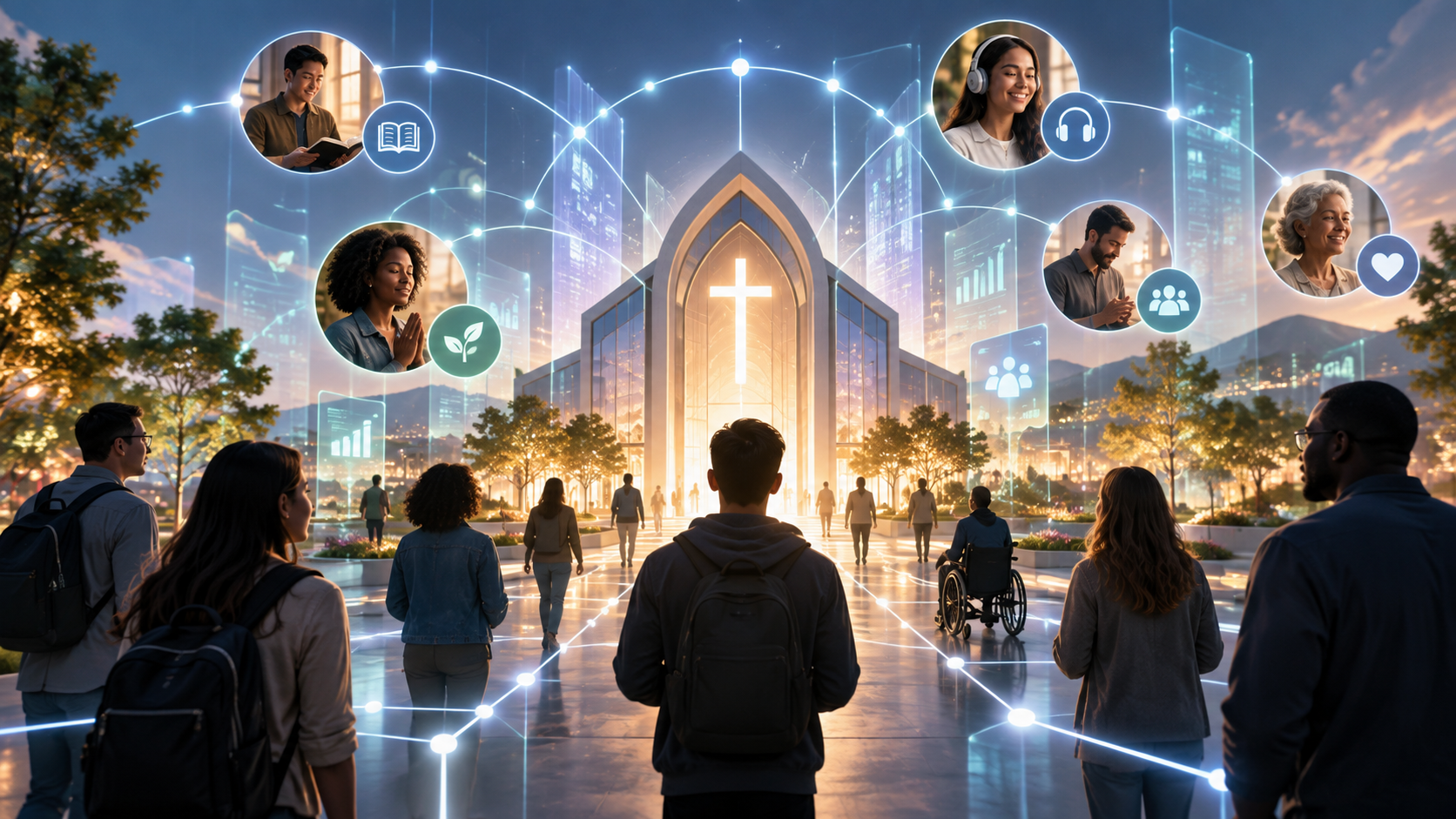
This case study explores the implementation of the "Intelligence Infrastructure," a strategic overhaul of Willow Creek’s technology stack that integrated artificial intelligence and real-time data pipelines to deliver personalized discipleship pathways. By moving away from one-size-fits-all broadcasts and toward individualized engagement, Willow Creek has set a new benchmark for how church technology can be leveraged to foster deeper spiritual maturity.
The Challenge: The Data Silo Bottleneck
Before the transformation, Willow Creek Global operated on a fragmented ecosystem. Their Church Management System (ChMS), email marketing platform, mobile app, and giving portal all functioned as isolated silos. While each tool was effective in its own right, they lacked a unified data layer. In many ways, their digital infrastructure mirrored the very silos they were trying to break down within their physical campuses. The marketing team was looking at email open rates, the pastoral team was looking at small group rosters, and the finance team was looking at quarterly giving trends, but no one was looking at the person at the center of all three.
This fragmentation led to several critical issues that hampered their mission:
- Redundant Communications: Members were receiving multiple, often conflicting, invitations to events. A young family might receive an email for a seniors' luncheon simply because the database hadn't been updated to reflect their recent life-stage transition. This "digital noise" caused many to simply tune out the church's communications altogether.
- Delayed Follow-ups: New visitors often had to wait three to five days before receiving a personalized welcome message or a follow-up call from a volunteer. In the fast-paced world of digital engagement, a three-day delay is often long enough for the initial spark of interest to be extinguished by the distractions of daily life.
- Engagement Blind Spots: Leadership had no way of knowing if a decline in financial giving was correlated with a drop in small group attendance or a shift in digital engagement habits. They were reactive rather than proactive, often reaching out to members only after they had already drifted away from the community.
The goal was clear: Willow Creek needed a "Single Source of Truth" that could not only store data but also interpret it in real-time to trigger meaningful ministry actions. They needed an infrastructure that acted less like a filing cabinet and more like a nervous system—a technology stack that could sense engagement and respond intuitively.
The Strategy: Architecting the Intelligence Layer
The leadership team, in collaboration with FaithBridge consultants, designed a three-tier architectural framework to bridge the gap between technology and ministry. This wasn't just a technical upgrade; it was a re-imagining of how the Great Commission could be fulfilled through digital stewardship.
Tier 1: The Unified Data Pipeline
The first step was the deployment of an API-first integration layer. Using FaithBridge's middleware, they connected their ChMS (TouchPoint) with their digital engagement tools, including their custom mobile app and the HubSpot marketing automation suite. This allowed for two-way synchronization of member behavior—from physical attendance at a campus to interaction with a digital sermon series. The pipeline ensured that every interaction, whether a click in an email or a check-in at a kiosk, was recorded in a centralized profile.
Tier 2: The AI Processing Core
At the heart of the new system was an AI-driven engine designed to identify "Engagement Signals." Instead of traditional manual tagging, which is prone to human error and often out of date, the engine used machine learning to categorize members based on their activity patterns. The system didn't just look at what people said (demographics); it looked at what they did (behavior). For example, a member who consistently engaged with "Marriage and Family" content on the app, attended a parenting seminar, and searched for "marriage counseling" in the resource library was automatically moved into a specific discipleship track. This triggered an automated but highly personalized invitation to the upcoming Parenting Workshop, delivered through their preferred communication channel.
Tier 3: The Personalized Delivery System
The final tier focused on the end-user experience across every touchpoint. Personalization wasn't limited to email; it extended to the church’s mobile app interface, the website’s landing pages, and even the "Next Steps" kiosks located at physical campuses. When a member logged into the app, the homepage was dynamically generated to surface the content most relevant to their spiritual journey. A new believer might see a "Foundations of Faith" video series, while a long-time member might see opportunities for advanced leadership training.
The Implementation: From Batch Processing to Real-Time Engagement
The implementation was rolled out over an eighteen-month period, focusing on three primary ministry verticals that represented the biggest opportunities for growth: Visitor Integration, Discipleship Progression, and Volunteer Mobilization. By tackling these three areas, the church aimed to create a seamless journey from "first-time guest" to "fully engaged disciple."
Phase 1: The Automated Welcome Mat
Willow Creek redefined the visitor experience by implementing "Instant Follow-up." When a new visitor checked their children into the Sunday school system or filled out a digital connection card, the Intelligence Infrastructure immediately analyzed their provided interests and demographic data.
Within minutes of their first check-in, the visitor received a text message containing a personalized video from the campus pastor and a link to a digital "New Here" guide tailored to their specific interests (e.g., "Young Professionals" or "Empty Nesters"). The system then scheduled a series of low-pressure follow-up messages over the next three weeks, each designed to answer common questions and lower the barrier to returning for a second visit. The result was an immediate 40% increase in second-time attendance within the first quarter of implementation.
Phase 2: Predictive Discipleship Tracks
One of the most innovative and pastorally sensitive aspects of the project was the creation of "Predictive Tracks." The AI engine was trained to recognize early signs of disengagement—such as a member missing two consecutive small group meetings, a sudden halt in recurring giving, or failing to open the weekly devotional email for over a month.
Instead of waiting for the member to disappear entirely, the system flagged these individuals for the Pastoral Care team. Simultaneously, the system sent a low-friction "Check-in" message via the mobile app, offering a prayer request or a relevant resource on spiritual burnout. This wasn't about monitoring; it was about shepherd-like care. By identifying these patterns early, the pastoral team could intervene before a "drift" became a "departure." This proactive approach reduced member churn by 22% over the first year.
Phase 3: Dynamic Volunteer Matching
Volunteer recruitment had long been a pain point, relying heavily on vague pulpit announcements that often failed to connect the right people with the right roles. The new system utilized "Skill-Based Matching." By analyzing the professional backgrounds and volunteer interests recorded in the ChMS, the Intelligence Infrastructure could identify highly qualified candidates for specific needs.
For instance, when the production team needed a new lighting technician, the system identified members with backgrounds in electrical engineering or theater tech who weren't currently serving in any capacity. A targeted, personal invite was sent, explaining why their specific skills were needed for the Kingdom and how their particular talents could make a tangible difference. This led to a 15% increase in volunteer placement and, more importantly, a much higher retention rate among those who were serving in their areas of strength. People weren't just filling a slot; they were fulfilling a calling.
The Results: Quantifiable Spiritual Maturity and Engagement
The impact of the Intelligence Infrastructure at Willow Creek Global has been profound, providing both quantitative success and qualitative transformation.
Numerical Growth and Efficiency
- Engagement Depth: Average time spent in the church’s discipleship app increased from 4 minutes per week to 18 minutes per week.
- Giving Stability: Personalized stewardship journeys led to a 12% increase in consistent, recurring digital giving. Members were able to see the direct impact of their gifts through personalized impact reports delivered via their preferred channels.
- Administrative Savings: The automation of routine integration tasks saved the administrative staff over 120 hours per month, allowing them to focus on high-touch pastoral care.
Qualitative Impact
Beyond the numbers, the real success was in the stories of the members. One congregant shared, "I felt like the church finally 'saw' me. When I was going through a difficult season at work, the app happened to surface a sermon series on workplace theology and a link to a local support group. It didn't feel like an ad; it felt like an answer to prayer. The technology didn't feel robotic; it felt like a friend who knew my name."
Conclusion: Lessons for the Scaling Church
The Willow Creek Global experience demonstrates that "Intelligence Infrastructure" is not about replacing human connection with machines. Rather, it is about using technology to clear the path for more meaningful human relationships. By automating the "what" and the "when," leadership is free to focus on the "who."
For churches looking to scale their impact in the digital age, the lessons are clear:
- Prioritize Data Unity: Silos are the enemy of personalization. Invest in a unified data layer that allows your ministry teams to see the same person at the same time.
- Focus on Signals, Not Just Stats: Look for the behavior that indicates a spiritual need. Attendance is a trailing indicator; engagement is a leading indicator.
- Personalization is Stewardship: Treating every member like an individual is a way of honoring the unique calling God has put on their life.
Call to Action
Is your church ready to move beyond digital noise and toward deep, personalized engagement? At FaithBridge, we specialize in helping congregations architect the technology infrastructure necessary for sustainable, scalable growth. Whether you are looking to integrate your ChMS, launch a personalized mobile experience, or leverage AI for pastoral care, our team is here to help you bridge the gap between your mission and your technology.
Visit FaithBridge.app today to schedule a demo and discover how we can help you scale your ministry without losing your heart for people.
Frequently asked questions
What is an intelligence infrastructure for churches?
An intelligence infrastructure is a unified technology stack that connects a church's management systems, digital assets, and communication tools through a central AI-driven data layer, allowing for personalized member engagement at scale.
How did AI improve member retention at Willow Creek?
The AI engine identified early 'Engagement Signals' of disengagement, such as missed meetings or decreased app activity, allowing the pastoral team to proactively check in with members before they drifted away.
Does AI replace the need for pastoral staff in ministry?
No, AI is designed to augment and clear the path for pastoral staff. By automating routine administrative tasks and integration check-ins, staff are freed up to focus on high-touch, relational care.
What was the result of 'Instant Follow-up' for first-time guests?
By providing tailored, immediate follow-up based on visitor interests within minutes of their first visit, Willow Creek saw a 40% increase in second-time attendance.
How difficult is it to integrate existing church management software with AI?
With an API-first integration layer like FaithBridge, connecting existing ChMS platforms with AI and marketing tools is streamlined, allowing for real-time data flow without manual entry.
Related articles

Church Technology
The Artificial Intelligence Advantage: 7 Strategic Use-Cases for Empowering Small-Team Ministry Operations

Church Growth
The Rural-to-Regional Rebound: A Case Study on Scaling Sustainable Church Growth Through Digital Integration at Northwood Community Church

Discipleship
The Discipleship Engine: A How-To Guide for Designing Scalable Micro-Group Ecosystems for Sustainable Spiritual Formation
Explore FaithBridge