The Legacy Catalyst: A How-To Guide for Architecting Sustainable Planned Giving Systems in a Scaling Church
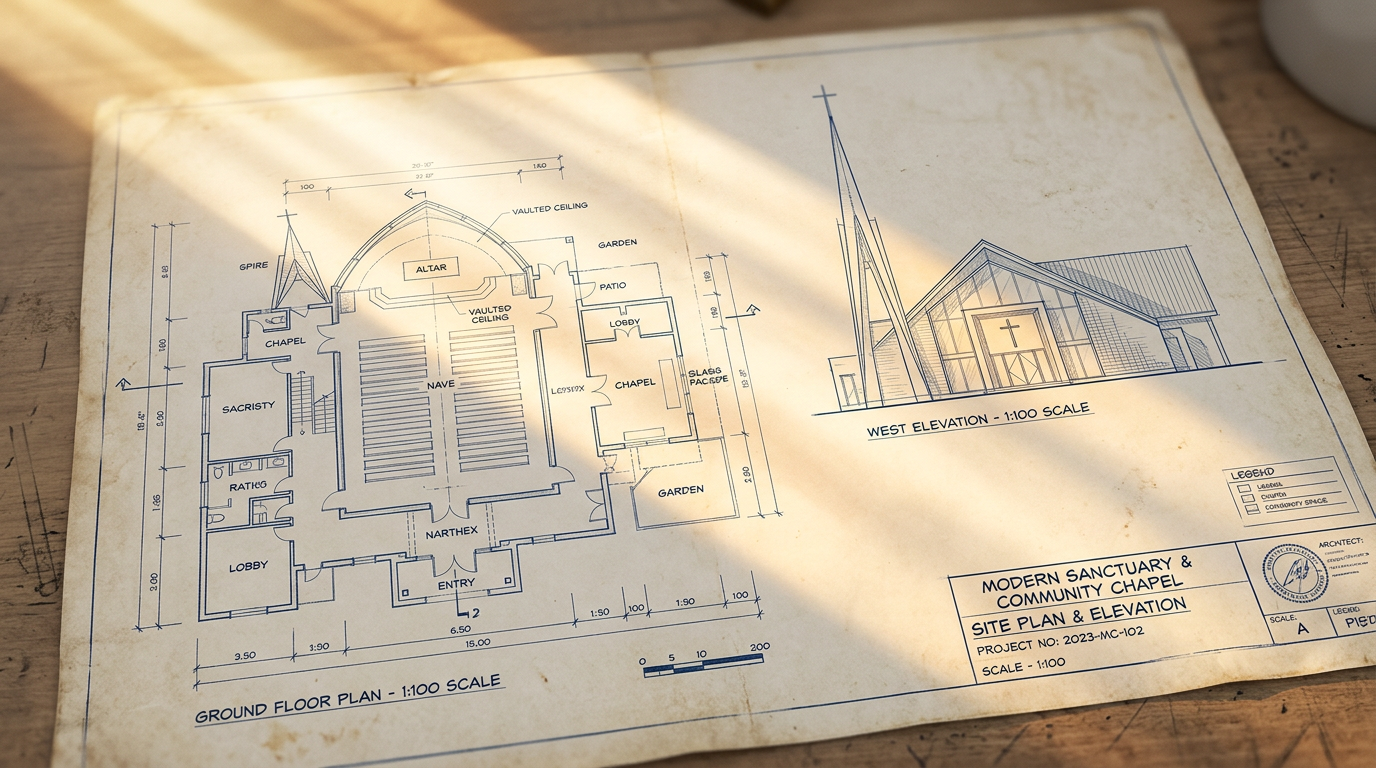
Planned giving is often the missing engine in a church's long-term financial health. While weekly tithes and annual capital campaigns provide the fuel for immediate operations and expansion, a robust legacy giving framework builds the foundation for multi-generational impact. In a scaling church, where complexity grows alongside opportunity, shifting from a reactive "pass the plate" mentality to a proactive, strategic stewardship model is not just beneficial—it is essential.
This guide explores the strategic architecture of planned giving, offering a practical blueprint for church leaders who want to move beyond transactional fundraising and toward a culture of holistic, sustainable generosity.
The Strategic Shift: From Transactional to Legacy Stewardship
In many high-growth churches, the focus is understandably on the "here and now." When you are adding services, campuses, and staff, the immediate cash flow requirements are significant. However, a scaling church that ignores the long-term potential of planned giving is leaving its future impact to chance.
Legacy giving, or planned giving, involves the contribution of assets rather than just income. This includes bequests in wills, charitable gift annuities, life insurance policies, and retirement account designations. For the donor, it is a way to make a final, significant statement of faith. For the church, it is the bedrock of a sustainable endowment that can weather economic storms and fund future innovations.
Why Scaling Churches Need Planned Giving Now
Complexity requires stability. As a church grows, its operational costs become more fixed. A sudden economic downturn or a shift in local demographics can jeopardize the mission if the church is solely dependent on the current income of its members. Planned giving creates an endowment—a "Legacy Catalyst"—that provides a predictable, perpetual stream of support.
Furthermore, statistics show that the "Great Wealth Transfer" is underway. Trillions of dollars will pass from the Boomer generation to their heirs and charitable causes over the next two decades. If your church does not have a clear pathway for legacy giving, your most faithful multi-decade members may unintentionally leave their final gift to other organizations simply because the church never asked or provided the tools to do so.
Phase 1: Designing the Legal and Financial Framework
Before you invite the first legacy gift, you must ensure the container for that gift is secure, transparent, and ethically managed.
Establishing the Endowment Fund and Policy
A planned giving program requires a dedicated Endowment Fund, governed by a clear Investment and Spending Policy. This policy should define:
- Acceptable Assets: Will you accept real estate? Closely held business interests? Cryptocurrencies?
- Gift Acceptance Committee: Who reviews and approves non-cash gifts to ensure they don't carry hidden liabilities?
- Spending Rule: Typically, a church might spend 4-5% of a three-year rolling average of the fund's value. This ensures the principal remains intact while providing consistent support.
- Usage Restrictions: Will the funds be used for general operations, missions, capital reserves, or a combination?
The Importance of Outsourced Professional Management
Unless your church staff includes a professional investment officer, do not manage these funds in-house. Partnering with a community foundation or a denominational foundation provides institutional-grade investment management and, more importantly, creates a layer of professional accountability that builds donor trust.
Phase 2: Cultivating a Theology of Legacy
Planned giving is not a financial product; it is a spiritual practice. In a scaling church, you must weave the concept of legacy into the existing discipleship pathways.
Shifting the Narrative
Most stewardship sermons focus on the tithe—the first 10% of income. Legacy giving focuses on the "ultimate tithe"—the distribution of a lifetime of accumulated assets. When talking about planned giving, shift the conversation from "the church needs money" to "this is how you ensure your values outlive your life."
The Power of Testimony
Nothing validates a planned giving program like the stories of those who have already committed. When a long-time member shares why they have included the church in their will—not for the sake of the building, but for the sake of the next generation of believers—it demystifies the process and makes it approachable for others.
Phase 3: Practical Tools for Donor Engagement
Once the framework is in place and the theology is integrated, you need a systematic way to identify and assist donors.
The Legacy Society
Create a recognition program, such as the "1845 Society" (named after your founding year), for individuals who have informed the church of a planned gift. This is not about public recognition of the dollar amount—which is often unknown—but about celebrating the commitment. It provides a community for legacy donors and gives leadership a group to nurture and thank.
Estate Planning Workshops
One of the greatest services a scaling church can provide is helping its members get their affairs in order. Host quarterly workshops featuring estate attorneys and financial planners who can speak to the importance of having a will, a living trust, and clear healthcare directives. When the church provides the education, legacy gifts often follow as a natural byproduct of the donor's gratitude.
Simplifying the Gift of Non-Cash Assets
Many donors are "asset wealthy but cash poor." They might have significant equity in their home or a large IRA, but little liquidity for a major cash gift. Provide clear instructions on your website for how to:
- Transfer Stock: A simple process that offers significant tax advantages to the donor.
- Designate Beneficiaries: How to add the church as a percentage beneficiary on a 401(k) or life insurance policy.
- Qualified Charitable Distributions (QCDs): For members over 70.5, this is the most tax-efficient way to give from an IRA.
Phase 4: Systems for Scale
In a growing church, manual processes will eventually break. You need administrative systems that can handle the long-term nature of planned giving.
Tracking and Stewardship in the CRM
Use your Church Management Software (ChMS) to track legacy commitments. This should be kept highly confidential but allow the stewardship team to see who is a member of the Legacy Society. Ensure you have a "Thank You" cadence that isn't just a one-time letter but an annual update on the impact of the endowment.
Transparent Reporting
Trust is the currency of legacy giving. Publish an annual Endowment Impact Report. Show the growth of the fund, the general allocation of investments, and specific examples of how the spending distribution funded the mission. Transparency today builds the legacy gifts of tomorrow.
The Role of Technology: Enhancing the Legacy Journey
Scaling churches should leverage their technological infrastructure to support planned giving. FaithBridge, for example, offers integrated stewardship modules that allow members to track their giving history and learn about non-cash giving options through their personalized portal. By integrating legacy education into the digital front door, you normalize the conversation and make it accessible to a younger generation of planners, not just those nearing retirement.
Conclusion: Building a Bridge to the Future
Architecting a sustainable planned giving system is a long-game strategy. You will not see the financial results in the next quarter or even the next year. However, by planting these seeds today, you are ensuring that the mission of your church is not limited by the timeline of any one leader or generation.
The scaling church that matures into a legacy-building church is one that is truly prepared to serve its community until the ends of the earth. It is time to move beyond the transaction and start architecting a bridge to the future.
Ready to Scale Your Church's Generosity?
Building a legacy culture starts with the right systems. At FaithBridge, we provide the administrative and technological infrastructure that enables growing churches to manage complex stewardship portfolios with ease. From automated non-cash giving workflows to donor-focused engagement portals, our platform is designed to help you turn today's vision into tomorrow's legacy.
Discover how FaithBridge can empower your stewardship team today.
Frequently asked questions
What is planned giving in a church context?
Planned giving, also known as legacy giving, refers to the process of donors contributing assets from their estates rather than just their current income. Common examples include bequests in wills, charitable gift annuities, and life insurance designations, all intended to provide long-term spiritual and financial impact for the church.
Why is planned giving important for a scaling church?
Scaling churches often have high fixed operational costs. An endowment created through planned giving provides a stable, perpetual stream of income that can weather economic fluctuations and fund future innovations, ensuring the mission is not solely dependent on current member income.
How do we start a legacy society at our church?
Start by establishing a clear Endowment Policy and then inviting members who have already included the church in their estate plans to join a recognition group. The goal is not public acknowledgment of dollar amounts, but celebrating commitment and providing a community for legacy donors.
Can small donations contribute to a legacy fund?
Yes. While legacy giving often involves larger assets, any contribution to a church endowment helps build its long-term health. Small bequests or designations are essential components of a broad and healthy culture of generational generosity.
How should a church manage its endowment investments?
It is highly recommended that churches partner with professional investment managers, such as community or denominational foundations. This provides institutional-grade management and a layer of transparency and accountability that builds significant donor trust.
Related articles
Giving & Stewardship
Restoring Trust: A Strategic How-To Guide for Architecting Radical Financial Transparency in Modern Ministry
Church Growth
The Rural-to-Regional Rebound: A Case Study on Scaling Sustainable Church Growth Through Digital Integration at Northwood Community Church

Discipleship
The Discipleship Engine: A How-To Guide for Designing Scalable Micro-Group Ecosystems for Sustainable Spiritual Formation
Explore FaithBridge