The Resilience Roadmap: 10 Strategic Systems for Scaling Sustainable Church Governance and Risk Management
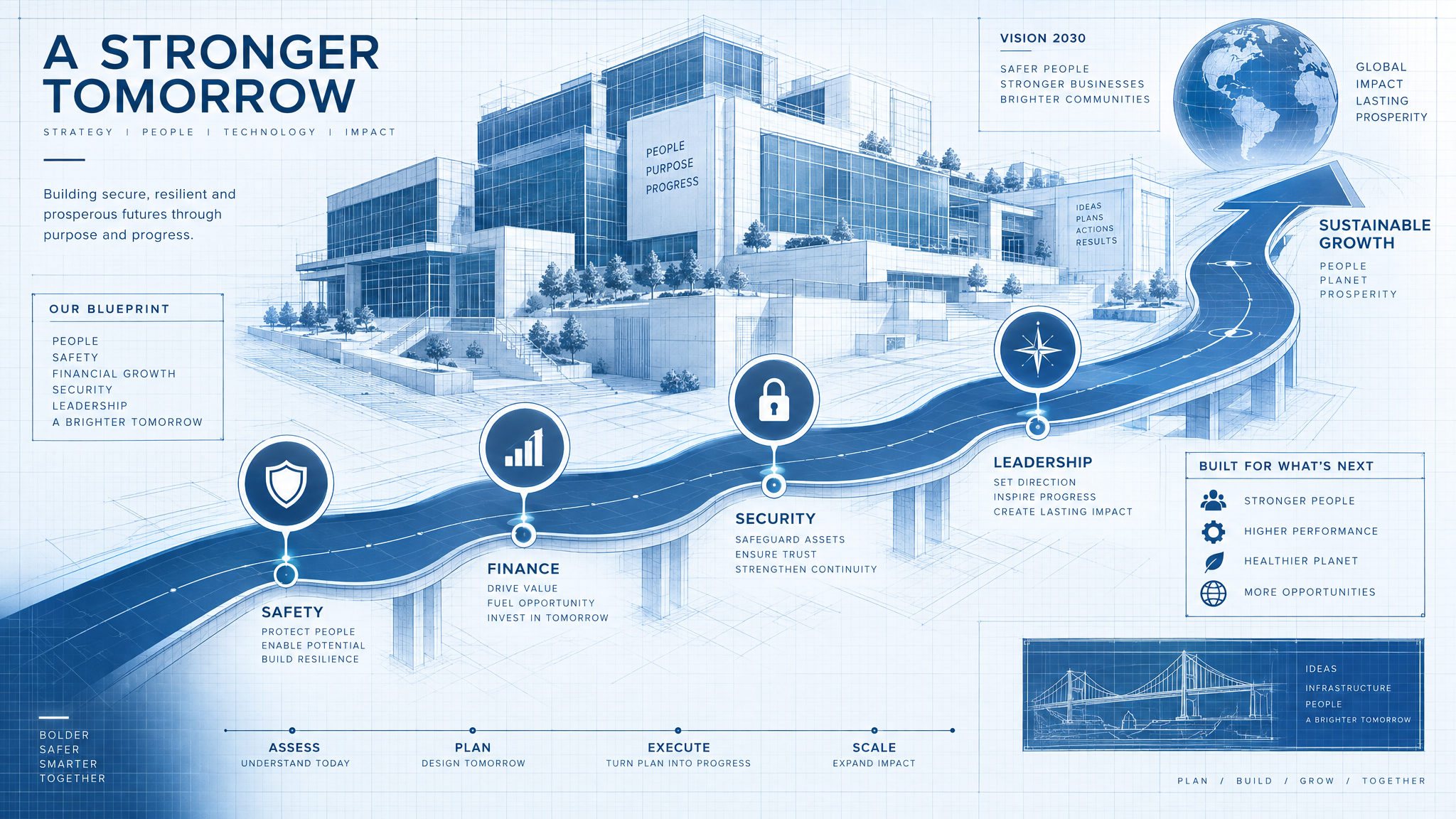
The Resilience Roadmap: 10 Strategic Systems for Scaling Sustainable Church Governance and Risk Management
As a church begins to experience rapid growth, the initial excitement often masks a burgeoning complexity underneath the surface. What worked for a congregation of 50—informal handshakes, paper-based records, and "common sense" safety protocols—quickly becomes a liability when the weekly attendance crosses into the hundreds or thousands. Scaling a ministry is not just about increasing the number of seats in the sanctuary; it is about building the invisible infrastructure that protects the mission, the people, and the legacy of the organization.
Healthy growth requires more than just vision; it requires governance. Without robust systems in place, administrative friction eventually becomes a ceiling on spiritual impact. Leaders who ignore risk management often find themselves reactive rather than proactive, spending their most valuable creative energy on crisis management instead of Kingdom advancement.
This article outlines "The Resilience Roadmap"—ten essential systems that every scaling church must implement to ensure sustainable governance and comprehensive risk management.
1. Integrated Child and Youth Protection Frameworks
The safety of the next generation is the non-negotiable foundation of any growing church. As you scale, the sheer volume of volunteers and children makes informal oversight impossible. An integrated framework goes beyond simple background checks.
Multi-Level Screening and Vetting
Effective screening involves a multi-step process: written applications, background checks (re-run every two years), personal references, and in-person interviews. This creates a "culture of safety" where every volunteer understands that protection is a priority.
The "Two-Adult" Rule and Visibility Standards
Governance requires physical standards. Every classroom should have a window or a half-door, and no adult should ever be alone with a child. Scaling churches often invest in check-in/check-out software that tracks attendance and parent contact info in real-time, ensuring that children are only released to authorized guardians.
2. Financial Internal Controls and Transparency Systems
As budgets grow, so does the responsibility to be above reproach in stewardship. Scaling churches must transition from a "one-person bookkeeper" model to a system of checks and balances.
Segregation of Duties
The person who counts the offering should not be the person who deposits it, and the person who approves expenses should not be the one writing the checks. By segregating these duties, you protect your staff from temptation and the organization from error.
Third-Party Audit Rhythms
Regular audits or reviews by an external CPA firm provide a layer of credibility that is essential for long-term donor trust. Transparency isn't just about showing where the money went; it’s about proving that your systems for handling that money are bulletproof.
3. Digital Security and Data Privacy Architecture
In the digital age, a church’s data is one of its most sensitive assets. Member contact info, giving history, and counseling notes must be protected with the same rigor used by financial institutions.
Encrypted Member Management
Utilizing a cloud-based Church Management System (ChMS) with high-level encryption is step one. Step two is enforcing multi-factor authentication (MFA) for every staff member and volunteer with access to sensitive data.
GDPR and CCPA Compliance
Even if you aren't in Europe or California, adopting these privacy standards ensures you are ready for future regulations. A clear privacy policy and a system for data deletion requests build trust with a tech-savvy congregation.
4. Facility and Campus Safety Protocols
Your physical campus is a tool for ministry, but it can also be a source of significant risk. Scaling requires a shift from "locking the doors" to a strategic campus safety plan.
Emergency Response Plans
Does your team know what to do in the event of a fire, medical emergency, or an active threat? A written Emergency Response Plan (ERP) should be taught to every volunteer leader, with quarterly drills to ensure the protocols are second nature.
Liability and Maintenance Logs
Slips and falls are the most common insurance claims for churches. Regular "safety walks" and a digital maintenance log prove that the church is fulfilling its duty of care. This documentation is vital for maintaining favorable insurance rates as the campus expands.
5. Scalable Human Resources and Compliance Systems
A growing staff requires a professional approach to HR. Informal "deals" with staff members lead to resentment and legal exposure.
Standardized Employee Handbooks
A comprehensive handbook outlines everything from vacation policies to conflict resolution procedures. It sets clear expectations and provides a legal shield for the church leadership.
Performance and Compensation Benchmarking
Scaling churches should use industry data (like ChurchLaw & Tax surveys) to ensure staff are paid fairly and evaluated based on clear, objective KPIs. This reduces turnover and fosters a healthy, professional working environment.
6. Board Governance and Strategic Oversight Rhythms
The relationship between the lead pastor and the governing board (elders, vestry, or directors) is the "anchor" of the organization. As the church scales, the board must move from operational tasks to strategic oversight.
Policies Over Decisions
A healthy board governs by "Policy Manals" rather than deciding every small detail. By setting boundaries through policy, the board empowers the staff to lead while maintaining overall accountability.
Conflict of Interest and Ethics Policies
Requiring every board member and staff leader to sign an annual conflict of interest disclosure identifies potential issues before they become public scandals. This proactive approach to ethics is a hallmark of a resilient organization.
7. Volunteer Screening and Leadership Accountability
Volunteers are the lifeblood of the church, but they also represent a legal and reputational risk if not managed correctly.
Role-Specific Training
Every volunteer role should have a "Job Description" and "Safety Training" module. Whether it’s driving a church van or counseling someone in a small group, the church must ensure the volunteer is equipped and aware of the boundaries.
Reporting Channels and Whistleblower Protections
There must be a clear, confidential way for anyone in the organization to report misconduct. A healthy governance system protects the reporter and ensures that allegations are investigated by an impartial party.
8. Crisis Communication and Reputational Risk Strategy
In an era of social media, a single incident can go viral in minutes. A scaling church needs a plan for how it speaks to the public during a crisis.
The Crisis Management Team
Identify a small group (Pastor, Board Rep, Legal Counsel, Communications Lead) that convenes immediately when a crisis breaks. This prevents conflicting messages and ensures the church speaks with a unified, truthful voice.
Proactive Media Training
Leadership should be trained on how to handle difficult questions from the media or the congregation. Being "first and fast" with the truth is always better than being silent and defensive.
9. Insurance and Liability Transfer Mechanisms
Insurance is not just a bill; it’s a strategic risk-transfer tool. As you grow, your coverage must evolve.
Comprehensive General Liability (CGL)
Ensure your CGL policy includes riders for professional liability (counseling), sexual misconduct, and directors and officers (D&O) insurance. These specific coverages protect the personal assets of your leaders.
Cyber and Employment Practices Liability
As mentioned in points 3 and 5, your digital and personnel risks are unique. Specific insurance for cyber breaches and employment lawsuits is essential for a scaling organization with a larger public profile.
10. Legal Compliance and Corporate Maintenance
Finally, the church must maintain its legal standing as a non-profit corporation. Neglecting "the paperwork" can lead to the loss of your tax-exempt status.
Annual Filings and Bylaw Reviews
Ensure your annual reports are filed and your bylaws are reviewed every three years to ensure they reflect the current reality of your operation. Outdated bylaws are a frequent source of internal conflict and legal vulnerability.
Intellectual Property Management
From the songs you sing to the curriculum you write, your intellectual property needs protection and licensing. Utilizing services like CCLI ensures you are legally compliant with copyright laws.
Conclusion: Building for the Future
Scaling a church is an act of faith, but sustaining that scale is an act of stewardship. By implementing the "Resilience Roadmap," you aren't just adding red tape; you are building a sanctuary of safety and integrity. These ten systems provide the structural strength necessary to carry the weight of a growing movement.
When the administrative systems are healthy, the ministry can thrive without the constant threat of operational collapse. Excellence in governance is, ultimately, a form of worship—honoring the God who is the author of order and the protector of the vulnerable.
Ready to Scale Your Church Operations?
Building these systems can feel overwhelming, but you don't have to do it alone. FaithBridge is designed to help churches like yours manage the complexity of growth with ease. From donor management to volunteer coordination and automated reporting, FaithBridge gives you the tools to lead with confidence.
Experience the future of church management. Try FaithBridge for free today and start building a resilient foundation for your ministry's next season of growth.
Frequently asked questions
Why is risk management important for a growing church?
As a church scales, informal oversight becomes a liability. Formal risk management protects children, staff, financial resources, and the organization's reputation from foreseeable risks.
What is the most critical governance system for a new church campus?
Child and youth protection frameworks are the most critical. Ensuring a culture of safety with vetted volunteers and visibility standards is non-negotiable for protecting the next generation.
How should a church board's role change during growth?
The board should shift from operational tasks to strategic oversight, focusing on setting policies rather than making every day-to-day decision.
What kind of insurance does a scaling church need?
Beyond general liability, churches should have specific coverage for professional liability (counseling), sexual misconduct, D&O, and cyber security.
Related articles

Church Management
The Administrative Architecture: 10 Strategic Frameworks for Scaling Sustainable Operations in High-Growth Faith Communities

Church Growth
The Rural-to-Regional Rebound: A Case Study on Scaling Sustainable Church Growth Through Digital Integration at Northwood Community Church

Discipleship
The Discipleship Engine: A How-To Guide for Designing Scalable Micro-Group Ecosystems for Sustainable Spiritual Formation
Explore FaithBridge