The Resilient Shepherd: A How-To Guide for Architecting Sustainable, High-Performance Pastoral Systems that Prevent Burnout

The calling of a pastor is one of the most rewarding, yet taxing, roles in modern society. We are shepherds, counselors, administrators, and visionaries. However, the weight of these responsibilities often leads to a silent crisis: burnout. Statistics show that a staggering percentage of pastors experience exhaustion, loneliness, and a loss of passion within the first decade of ministry.
But what if burnout isn't an inevitable part of the calling? What if it's the result of architectural flaws in how we structure our pastoral systems?
To lead effectively at scale, we must move beyond the "solo superhero" model and embrace a sustainable, high-performance architecture. This guide provides a blueprint for building those systems from the ground up.
Understanding the Architecture of Exhaustion
Most pastoral structures are built on a hub-and-spoke model, where the lead pastor is the central node for every decision, conflict, and vision casting. While this works in a startup phase, it becomes a structural liability as the church grows. The pressure increases, the "spokes" multiply, and eventually, the central hub snaps.
Sustainable leadership requires a shift from being the primary doer to being the primary architect. You are not just building a church; you are building a system that builds a church. High-performance pastoral systems are characterized by three core pillars: clarity, delegation, and rhythmic recovery.
The First Pillar: Role Clarity and Boundary Setting
The lack of clear job descriptions is a primary driver of pastoral stress. When everyone is responsible for everything, no one is truly accountable for anything, and the lead pastor fills the gaps.
- Audit Your Emotional Labor: Identify the tasks that drain your energy versus those that fuel it. High-performance leaders spend 70% of their time in their "sweet spot" of gifting.
- Define the 'Non-Negotiables': Clearly articulate what only you can do. For most lead pastors, this is preaching, vision casting, and leading the core staff. Everything else is a candidate for systemization.
- Architecting Boundaries: Boundaries are not about keeping people out; they are about keeping your focus in. Establish "deep work" blocks where you are unreachable, allowing for true sermon preparation and strategic thinking.
Building a Multi-Directional Delegation Pipeline
Delegation is not just offloading tasks; it is empowering other leaders. A sustainable system requires a pipeline that flows outcomes, not just instructions.
Shift from Tasks to Outcomes
When you delegate a task (e.g., "Call Mrs. Jones"), you retain the mental load. When you delegate an outcome (e.g., "Ensure all hospital visits are covered this week"), you transfer the responsibility and the authority.
To build this pipeline:
- Identify Your 'High-Potentials': Look for those in your congregation or staff who demonstrate the 3 C's: Character, Competence, and Chemistry.
- The 4-Step Apprenticeship Model:
- I do, you watch.
- I do, you help.
- You do, I help.
- You do, I watch.
- Implement Feedback Loops: Use FaithBridge's integrated dashboard to track ministry health metrics without micromanaging the people doing the work.
Systemizing Care
One of the most draining aspects of ministry is the constant demand for crisis care. A resilient shepherd architects a system where care is distributed. Small group leaders, deacons, and specialized care teams should be the first line of response, with the lead pastor reserved for significant crises. This "Jethro Principle" (Exodus 18) is the oldest and most effective scalability framework in history.
Architecting Rhythms of Recovery
Burnout often stems from a lack of "margin." In a digital, always-on world, the shepherd's work is never done. Therefore, we must architect mandatory rhythms of recovery.
The Daily, Weekly, and Seasonal Cycle
- Daily Rhythms: Start with silence and solitude. High-performance systems are fueled by spiritual depth, not just organizational skill.
- Weekly Sabbath: This is a command, not a suggestion. A sustainable pastorate requires at least one full day where you are completely disconnected from church operations.
- Seasonal Sabbaticals: Plan for extended rest every 5 to 7 years. These are not vacations; they are strategic "retooling" periods that allow for long-term ministry longevity.
The Role of Integrated Technology
Technology should be a servant, not a master. Often, pastors are burnt out by "death by a thousand notifications." Sustainable systems use integrated platforms like FaithBridge to centralize communication, automate administrative tasks like giving reports and volunteer scheduling, and provide a single source of truth.
By automating the administrative "friction," you free up emotional bandwidth for what truly matters: people and prayer.
Conclusion: Long-Term Impact Over Short-Term Hustle
Building a sustainable pastoral system takes time. It requires a willingness to let go of control and a commitment to the health of the team over the speed of growth. However, the alternative is a leadership bridge that eventually collapses under the weight of its own success.
The most important asset your church has is not your building or your budget—it is your health and your calling. Architect your systems to protect that asset.
Ready to Scale Your Ministry Sustainably?
FaithBridge was built by leaders, for leaders. Our platform is designed to take the administrative weight off your shoulders so you can focus on shepherding your flock. From automated giving to volunteer management and high-level ministry analytics, FaithBridge provides the infrastructure you need to lead with clarity and joy.
[Start your free trial of FaithBridge today] and begin architecting a future for your ministry that lasts for generations.
Frequently asked questions
How do I start delegating when I feel like I'm the only one who can do the job?
Start with the 4-step apprenticeship model. Begin by having someone shadow you in small tasks, then gradually give them more responsibility. Remember, the goal of a leader is to work themselves out of a job by empowering others.
What is the biggest sign of impending burnout?
The primary indicator is 'compassion fatigue'—a state where you no longer feel empathy for the people you are called to serve. If you find yourself resenting the needs of your congregation, it is time to reassess your systems immediately.
How can FaithBridge specifically help with pastoral burnout?
FaithBridge automates the high-friction administrative tasks like volunteer scheduling, giving tracking, and event management. By centralizing these in one dashboard, it reduces the mental load and decision fatigue on church leaders.
Related articles

Pastoral Leadership
The Transition Engine: A Case Study on Successful Lead Pastor Succession and Cultural Continuity at Grace Collective
Church Growth
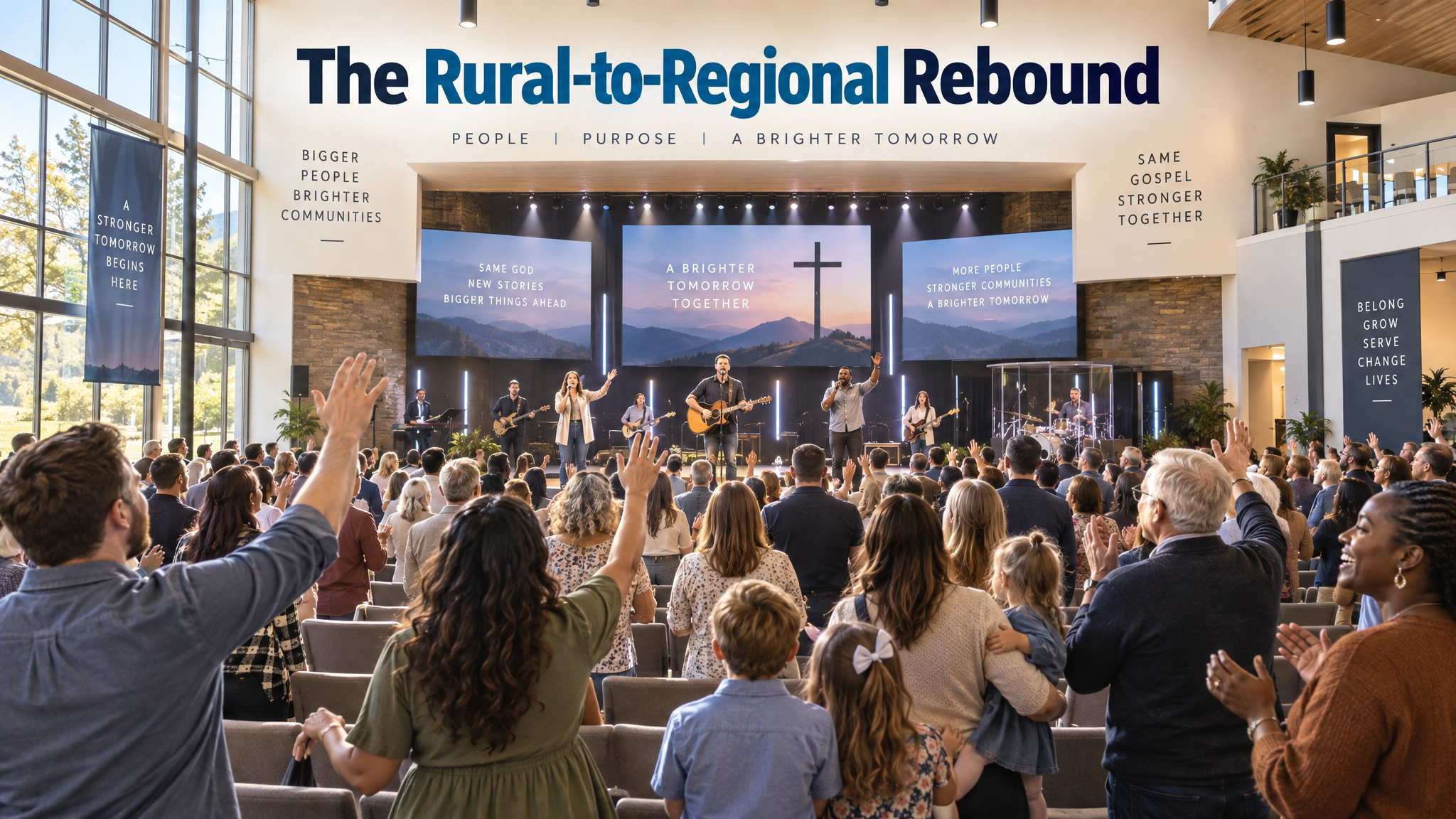
The Rural-to-Regional Rebound: A Case Study on Scaling Sustainable Church Growth Through Digital Integration at Northwood Community Church

Discipleship
The Discipleship Engine: A How-To Guide for Designing Scalable Micro-Group Ecosystems for Sustainable Spiritual Formation
Explore FaithBridge