The Seamless Sanctuary: A Case Study on Architecting Scalable Church Connectivity through Integrated Data Pipelines
The Seamless Sanctuary: A Case Study on Architecting Scalable Church Connectivity through Integrated Data Pipelines
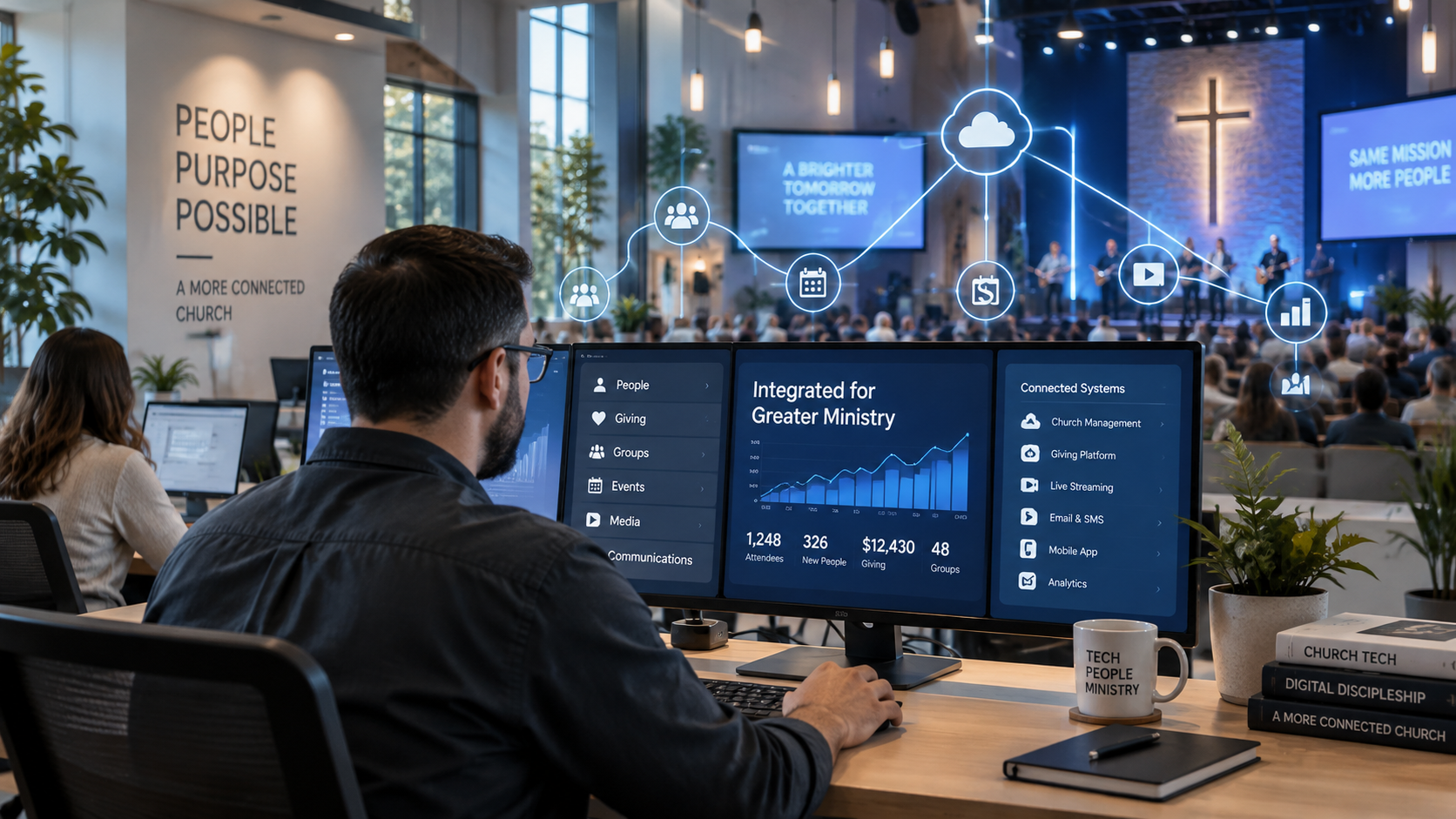
In the rapidly evolving landscape of modern ministry, the bottleneck for growth is rarely a lack of vision. More often, it is the fragmentation of the tools used to execute that vision. For Grace Fellowship, a multi-site congregation that saw its attendance triple over a thirty-six-month period, the "digital debt" of disconnected systems nearly brought their operations to a standstill. This case study explores how they transitioned from a disparate collection of software "islands" to a unified data ecosystem, providing a roadmap for other churches facing the complexities of rapid scaling.
The Fragmented Foundation: Identifying the Scalability Bottleneck
Grace Fellowship’s journey into the "Digital Wilderness" began, as it does for many, with success. As they expanded from one campus to three, their administrative needs grew exponentially. To keep up, they adopted a variety of best-in-class tools: a specialized giving platform, a separate child check-in system, an independent volunteer management app, and a standalone email marketing service.
While each tool was powerful in isolation, they lacked a common language. The "human middleware"—staff members and volunteers tasked with manually syncing data between these systems—became the church's most significant expense and its greatest point of failure. Information silos led to duplicate records, missed follow-ups with new visitors, and a distorted view of the church’s financial health. The leadership realized that to sustain their growth, they didn't need more tools; they needed a unified infrastructure.
Architecting the Integrated Ecosystem: The FaithBridge Implementation
The turning point came with the decision to implement FaithBridge as the central nervous system of their technology stack. The goal was simple but ambitious: create a single source of truth for every interaction within the church, from the first time a visitor checked in their child to their latest recurring gift.
The implementation team prioritized three core pillars of connectivity:
1. Unified Identity Management
The first step was consolidating thousands of fragmented records into a single, interoperable identity for every congregant. By using FaithBridge’s robust API integrations, Grace Fellowship linked their check-in data with their giving records. This allowed them to see, for the first time, the correlation between volunteer engagement and financial stewardship. It transformed their communication from generic mass emails to personalized discipleship pathways based on real-time behavior.
2. Automated Resource Pipelines
With a unified data layer, the church began automating the "busy work" that had previously consumed hours of staff time. When a new family checked into a campus, FaithBridge automatically triggered a personalized welcome sequence, notified the relevant campus pastor, and added the parents to a "New to Grace" digital cohort. This didn't just save time; it ensured that no one fell through the cracks during the church's most rapid season of expansion.
3. Real-Time Operational Intelligence
The final pillar was the creation of a centralized dashboard for the executive team. Before the integration, generating a comprehensive report on church health took three days of manual data crunching. Post-implementation, the leadership had access to real-time visualizations of attendance trends, giving fluctuations, and volunteer retention rates. This data-driven clarity allowed them to make strategic decisions about campus expansion and resource allocation with confidence rather than guesswork.
Measuring the Impact: Growth Sustained Through Connectivity
The results of the shift toward an integrated sanctuary were both immediate and profound. Within the first year of the FaithBridge deployment, Grace Fellowship reported:
- A 40% reduction in administrative overhead: Staff members previously bogged down by data entry were redeployed to frontline ministry and pastoral care.
- A 25% increase in first-time visitor retention: Automated, personalized follow-up sequences led to a significant jump in visitors returning for a second and third Sunday.
- Enhanced Stewardship Transparency: The ability to see real-time giving patterns allowed the church to launch a major capital campaign with a precise understanding of their congregation's capacity and engagement.
Beyond the numbers, the true victory was the restoration of the "Shepherd’s Heart" to the staff. The technology didn't replace the ministry; it removed the friction that prevented ministry from happening.
Conclusion: Lessons for the Modern Digital Architect
Grace Fellowship’s success proves that the future of the church is not just digital—it is interoperable. For churches looking to scale, the takeaway is clear: prioritize the pipeline over the platform. A collection of disconnected apps, no matter how feature-rich, will eventually become a barrier to growth. By investing in a unified data ecosystem, leadership can ensure that their technology serves their mission rather than the other way around.
Scale Your Ministry with FaithBridge
Is your church's growth being hampered by fragmented systems and manual data entry? FaithBridge was designed to be the integrated foundation your ministry needs to scale sustainably. From unified giving and volunteer management to automated discipleship pathways, FaithBridge brings your tools together so you can focus on what matters most: your people.
[Try FaithBridge Today] and start building the seamless sanctuary your congregation deserves.
Frequently Asked Questions
Q: Our church is small. Do we really need an integrated technology stack? A: Integration is even more critical for smaller teams. Automation allows a small staff to achieve the operational excellence of a much larger organization, freeing you to focus on relational ministry.
Q: We already have several tools we love. Do we have to replace them to use FaithBridge? A: Not at all. FaithBridge is built on an API-first philosophy, meaning it is designed to connect and sync with the tools you already use, creating a unified data pipeline without forcing you to switch platforms.
Q: How long does it take to see the benefits of a unified data system? A: While full implementation can take a few months, most churches see a "time-save" benefit within the first two weeks as manual data syncing tasks are replaced by automated workflows.
Q: Is data security a concern when integrating multiple systems? A: FaithBridge uses enterprise-grade encryption and complies with the highest standards of data privacy. By consolidating your data into a secure pipeline, you actually reduce the risk of data leaks associated with managing multiple unlinked spreadsheets and apps.
Q: What is the first step in moving toward an integrated sanctuary? A: Start by auditing your current tools and identifying where data is being manually transferred. This "friction point" audit will show you exactly where an integrated system like FaithBridge will provide the most immediate value.
Frequently asked questions
Our church is small. Do we really need an integrated technology stack?
Integration is even more critical for smaller teams. Automation allows a small staff to achieve the operational excellence of a much larger organization, freeing you to focus on relational ministry.
We already have several tools we love. Do we have to replace them to use FaithBridge?
Not at all. FaithBridge is built on an API-first philosophy, meaning it is designed to connect and sync with the tools you already use, creating a unified data pipeline without forcing you to switch platforms.
How long does it take to see the benefits of a unified data system?
While full implementation can take a few months, most churches see a 'time-save' benefit within the first two weeks as manual data syncing tasks are replaced by automated workflows.
Is data security a concern when integrating multiple systems?
FaithBridge uses enterprise-grade encryption and complies with the highest standards of data privacy. By consolidating your data into a secure pipeline, you actually reduce the risk of data leaks associated with managing multiple unlinked spreadsheets and apps.
Related articles

Church Technology
The Artificial Intelligence Advantage: 7 Strategic Use-Cases for Empowering Small-Team Ministry Operations

Church Growth
The Rural-to-Regional Rebound: A Case Study on Scaling Sustainable Church Growth Through Digital Integration at Northwood Community Church
Discipleship
The Discipleship Engine: A How-To Guide for Designing Scalable Micro-Group Ecosystems for Sustainable Spiritual Formation
Explore FaithBridge