The Stewardship Architect: A How-To Guide for Designing Holistic Giving Ecosystems for the Modern Scaling Church
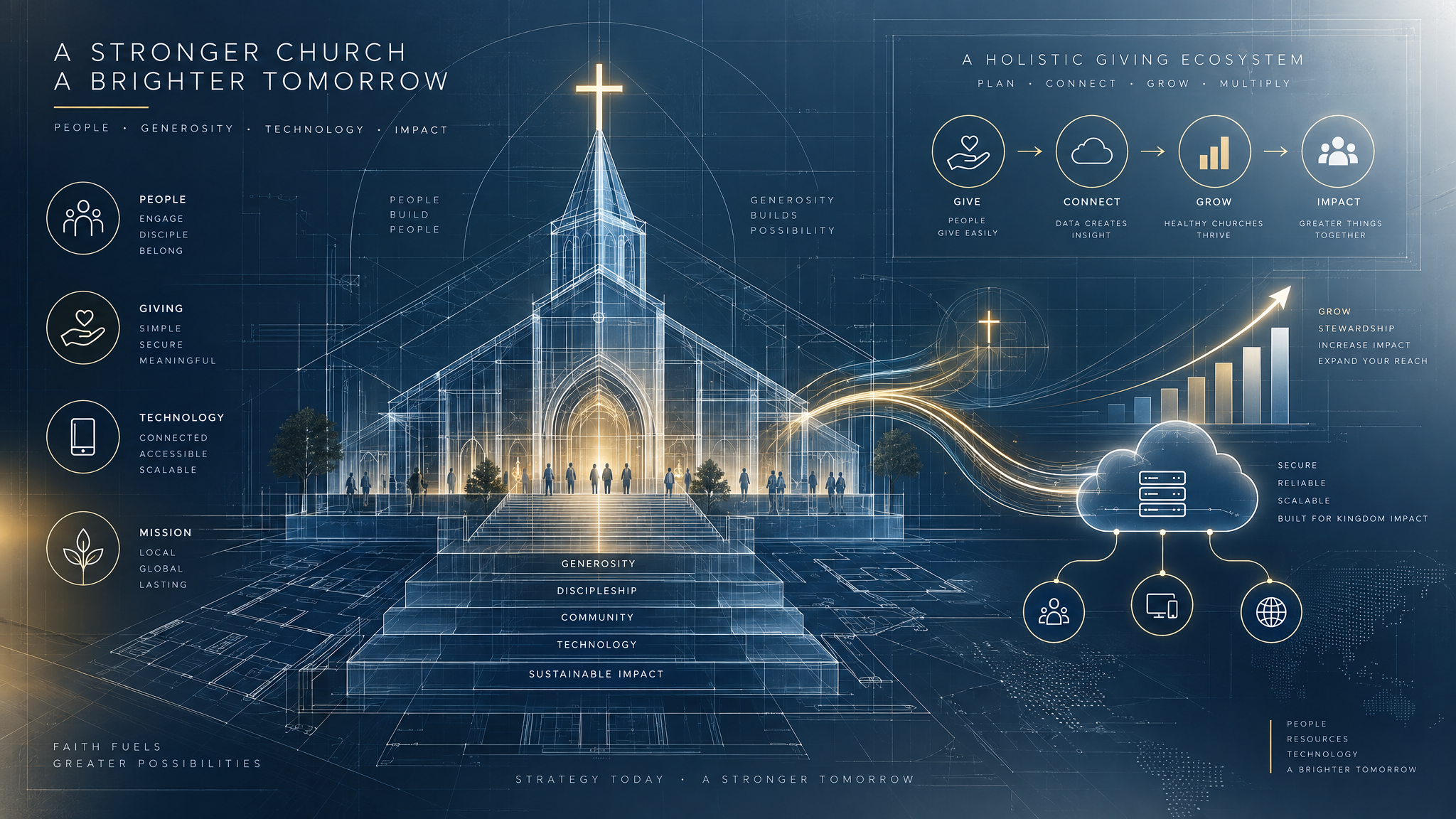
The Stewardship Architect: A How-To Guide for Designing Holistic Giving Ecosystems for the Modern Scaling Church
In the rapidly evolving landscape of modern ministry, the traditional model of the "passing plate" is increasingly giving way to a more complex, data-driven, yet deeply relational ecosystem of stewardship. For the scaling church, the challenge is not just about increasing revenue—it is about architecting a sustainable system of generosity that aligns with the spiritual journey of the congregation while providing the financial resilience necessary for long-term mission impact.
Generosity is not a transaction; it is an act of worship and a key metric of discipleship. Yet, many churches struggle with fragmented giving tools, inconsistent messaging, and a lack of clear pathways for congregants to move from their first gift to consistent, sacrificial stewardship. This guide provides a strategic framework for church leaders to design and implement a holistic giving ecosystem that scales with their growth.
Step 1: Defining the Theology of Abundance Over Scarcity
The foundation of any sustainable giving ecosystem is not technology, but theology. Before implementing tools or campaigns, leadership must establish a culture of abundance. In a scaling church, it is easy to default to a "scarcity mindset," where every decision is driven by budget constraints and the fear of a deficit.
A holistic ecosystem begins by reframing stewardship as a resource management strategy for the Kingdom, rather than a fundraising mechanism for the institution.
- Move beyond the "Emergency Appeal": Shift the primary narrative from "we need money for X" to "we are investing in Y to see Z impact."
- Embed Stewardship into Discipleship: Regularly teach on the biblical principles of management and generosity, not just during an annual campaign, but as a core part of the spiritual formation process.
- Transparency as a Trust-Builder: Clearly communicate how resources are being used. Trust is the currency of generosity; without it, the most sophisticated giving tools will fail to ignite significant stewardship.
Step 2: Architecting the Digital-First Giving Pipeline
For the modern congregation, convenience is a prerequisite for consistency. A scaling church requires a unified digital infrastructure that removes friction from the giving process.
Implementing Multi-Channel Giving
Your ecosystem must meet people where they are. This means providing multiple, integrated entry points for generosity:
- Direct-Debit (ACH) and Credit/Debit Transfers: While credit cards are convenient, encouraging ACH transfers reduces processing fees and increases the net resource available for ministry.
- Mobile App Integration: For many younger congregants, the church app is the primary interface for their relationship with the ministry. A one-click giving experience within the app is essential.
- Text-to-Give: This remains a highly effective tool for impulsive generosity during services or special events, serving as a low-friction entry point for first-time givers.
- Recurring Giving Rhythms: The "Holy Grail" of sustainable stewardship is the recurring gift. Automating generosity allows congregants to prioritize their giving before other expenses, ensuring consistency even when they are not physically present.
Unifying the Data Streams
The greatest failure of many church giving systems is fragmentation. If your giving data lives in a separate silo from your member directory (ChMS), you lose the ability to understand the relationship between engagement and generosity. Ensure your giving platform bi-directionally syncs with your central database, allowing leaders to see who is giving, how they are giving, and—most importantly—when they stop giving, which is often a lead indicator of spiritual or relational drift.
Step 3: Designing Linear Stewardship Pathways
Once the infrastructure is in place, you must design clear, intentional pathways that guide congregants through the stages of generosity. A holistic ecosystem does not treat all givers the same; it recognizes their unique journey.
The First-Time Giver
The goal for a first-time giver is not the amount, but the activation. The follow-up process should be immediate and relational. Send a personalized thank-you (not just a receipt) that highlights the specific impact of their gift. Invite them to a "behind-the-scenes" orientation or a new-member gathering to deepen their connection to the mission.
The Consistent Giver
For those who give regularly but perhaps not yet sacrificially, the focus shifts to education and recurring automation. Use data to identify consistent givers who have not yet set up an automated gift and provide them with a "How-To" guide on prioritizing their generosity. Share regular impact reports that show how their consistent support sustains the church's daily operations.
The Sacrificial Giver
This group often represents the "major donors" of the church. Stewardship for this group requires high-touch relational leadership. Provide them with detailed quarterly financial briefings and offer opportunities for them to invest in specific, vision-driven projects. The goal here is partnership, ensuring they see their resources as a strategic tool for the church's long-term expansion.
Step 4: Integrating Stewardship into the Weekly Rhythm
A sustainable giving ecosystem must be visible and integrated into the regular life of the church, not just reserved for the "offering time."
- Impact Storytelling: Before the offering is collected (or the QR code is shown), share a 60-second "impact story"—a concrete example of a life changed or a mission accomplished because of the congregation's generosity.
- Digital Liturgy: In a digital-first environment, the "act of giving" needs a visual and experiential component. Use screen graphics that celebrate generosity and provide clear instructions for digital givers to participate alongside those giving physically.
- The Follow-Through: Ensure that the "Thank You" is as systematic as the "Ask." Personalized, automated communication workflows can ensure every gift, regardless of size, is acknowledged and connected to the overall mission.
Step 5: Monitoring Health Through Key Stewardship Metrics
Finally, to manage a scaling ecosystem, you must measure what matters. Move beyond the simple "weekly total vs. budget" and look at the underlying health of the generosity culture.
- Giver Retention Rate: What percentage of givers from the previous year are still giving this year? A high retention rate indicates a healthy relational connection.
- Recurring Gift Percentage: What percentage of your total income comes from automated, recurring gifts? Aim for 50-70% to ensure financial predictability.
- New Giver Activation: How many individuals or families made their first gift this month? This is a key lead indicator of overall church health and visitor integration.
- Per-Capita Giving Trend: Is the average gift increasing, decreasing, or plateauing? This helps identify if your discipleship efforts around stewardship are effective.
Conclusion: Building for the Long-Term
Architecting a holistic giving ecosystem is an ongoing process of optimization and relational care. It requires a commitment to technological excellence, theological clarity, and administrative discipline. By removing friction, designing clear pathways, and refocusing the narrative on mission impact rather than institutional need, you create a sustainable engine that fuels the church's growth.
The goal is not just a balanced budget; it is a congregation that experiences the joy and freedom of biblical generosity. As you scale, let your stewardship systems be a reflection of your commitment to excellence—proving that you are a faithful steward of the resources God has entrusted to your ministry.
Try FaithBridge Today
Scaling your church’s stewardship doesn't have to be a manual burden. FaithBridge offers a unified, data-driven platform designed specifically to integrate your giving, member management, and mission impact into a single, seamless ecosystem. From automated recurring giving workflows to deep-dive stewardship analytics, FaithBridge provides the tools you need to architect a culture of generosity that lasts. Take the next step in your stewardship journey—visit our website to request a demo and see how FaithBridge can help your ministry flourish.
Frequently asked questions
Why is recurring giving important for church health?
Recurring giving provides financial predictability and allows the church to plan for long-term mission impact with confidence, while also helping congregants prioritize their generosity.
How can data help improve church stewardship?
Integrated data allows leaders to track giver retention, identify first-time givers for personalized follow-up, and monitor the overall health of the congregation's generosity culture.
What is the best way to encourage first-time givers?
Provide low-friction digital giving options like text-to-give or one-click app giving, and follow up with a relational, impact-focused thank-you message.
Related articles
Giving & Stewardship
Restoring Trust: A Strategic How-To Guide for Architecting Radical Financial Transparency in Modern Ministry
Church Growth
The Rural-to-Regional Rebound: A Case Study on Scaling Sustainable Church Growth Through Digital Integration at Northwood Community Church

Discipleship
The Discipleship Engine: A How-To Guide for Designing Scalable Micro-Group Ecosystems for Sustainable Spiritual Formation
Explore FaithBridge