The Tech-Enabled Shepherd: 10 Best Practices for Architecting a High-Touch, Tech-Forward Culture of Pastoral Leadership

The Tech-Enabled Shepherd: 10 Best Practices for Architecting a High-Touch, Tech-Forward Culture of Pastoral Leadership
In the rapidly evolving landscape of modern ministry, the role of the pastor has undergone a profound transformation. The days of a shepherd leading their flock solely through Sunday sermons and occasional home visits are fading into the background. Today, the shepherd must be as proficient with a digital dashboard as they are with a pastoral staff. This integration of technology into the core of pastoral leadership is not just about efficiency; it is about extending the reach of the Gospel and deepening the quality of care in an increasingly fragmented world.
However, the "tech-enabled" part of leadership often comes with a significant fear: that the "high-touch" nature of ministry will be lost in a sea of algorithms and automated emails. The challenge for today's visionary leader is to architect a culture where technology serves as a bridge, not a barrier—where digital tools amplify the pastor's voice and the church's heart rather than muffling them.
This article explores 10 strategic best practices for cultivating a leadership culture that embraces technology while prioritizing the deeply personal, relational essence of the pastoral calling.
1. Prioritize "Tech-for-Connection" Over "Tech-for-Efficiency"
The primary goal of any technological implementation in the church should be to foster deeper connections between people. It is easy to get caught up in the allure of "efficiency"—saving time on administrative tasks or automating communication. While efficiency is a byproduct, it should never be the primary driver.
As a leader, shift the narrative from "How much time will this save us?" to "How will this tool help us know our people better?" For example, a robust Church Management System (ChMS) shouldn't just be a database; it should be a tool that alerts a pastor when a member hasn't been seen in three weeks, triggering a personal, non-automated text or phone call.
2. Develop a "Digital-First, Not Digital-Only" Mindset
A tech-forward culture recognizes that the digital realm is often the first point of contact for new seekers. However, it also understands that the ultimate goal is to bring people into physical community.
Pastoral leadership must model a "digital-first" approach by being present and active on digital platforms. This means more than just posting announcements; it means engaging in theological reflection, offering prayer, and demonstrating vulnerability online. But the "digital-first" mindset always points toward "physical-depth." Every digital interaction should be viewed as a seed that is intended to grow into a face-to-face relationship.
3. Implement Collaborative Leadership Platforms
The "solo hero" model of pastoral leadership is unsustainable in the digital age. Tech-enabled shepherds utilize collaborative platforms—like Slack, Microsoft Teams, or specialized ministry project management tools—to distribute leadership and empower their teams.
By moving internal communications out of fragmented email threads and into organized, transparent channels, leaders create a culture of clarity and accountability. This transparency allows the pastor to stay informed without needing to micromanage, freeing them up for the relational work that only they can do.
4. Leverage Data for Proactive Pastoral Care
One of the most powerful advantages of a tech-enabled ministry is the ability to use data for proactive care. In a large or growing church, it is impossible for a pastor to know everyone's needs intuitively.
By tracking engagement metrics—attendance, giving patterns, and volunteer involvement—leaders can identify "red flags" before they become crises. A sudden drop in giving or attendance is often a silent cry for help. A tech-forward leader uses these data points as prompts for pastoral outreach, ensuring that no one slips through the cracks.
5. Master the Art of Digital Discipleship
Discipleship doesn't have to stop when the church doors close on Sunday. Tech-enabled leaders utilize digital tools to provide ongoing spiritual formation throughout the week. This might include curated reading lists delivered via an app, short-form video devotionals, or online small group cohorts.
The key is to ensure that these digital resources are not just "content" but "community." Encourage interactive elements where members can discuss the material, ask questions, and pray for one another in real-time.
6. Model Healthy Digital Boundaries
If the lead shepherd is always "on," the rest of the staff and the congregation will feel pressured to be the same. A tech-forward culture must also be a culture of digital Sabbath.
Pastors should model healthy boundaries by setting "do not disturb" hours on communication apps and being vocal about their time away from screens. This protects the leader from burnout and sets a healthy precedent for the entire church. Technology is a powerful servant but a terrible master; leadership must ensure it stays in its proper place.
7. Invest in "Bilingual" Staffing
To architect a tech-forward culture, you need team members who are "bilingual"—fluent in both theology/ministry and technology. These individuals serve as the translators between the spiritual vision of the church and the technical requirements to achieve it.
Whether it's a dedicated IT director or a tech-savvy associate pastor, having leadership voices that understand the nuances of both worlds is critical. They can ensure that the church's digital presence remains biblically grounded and that its technological investments are strategically sound.
8. Curate a Seamless "Phygital" Sunday Experience
The "Sunday experience" now starts long before someone walks through the front doors. It begins with a Google search or an Instagram post. A tech-enabled shepherd ensures that the transition from the digital "front porch" to the physical "living room" is seamless.
This includes everything from digital check-in for children's ministry to real-time prayer requests submitted via the church app during the service. The goal is to make the technology "invisible"—so intuitive and integrated that it enhances the worship experience rather than distracting from it.
9. Use Technology to Amplify Diverse Voices
Technology provides an unprecedented platform for amplification. A tech-forward leader uses this power to highlight the diverse voices and stories within their congregation.
Instead of the pastor being the only voice on the church's digital channels, use those platforms to feature testimonies from volunteers, insights from lay leaders, and stories of community impact. This decentralizes the "brand" of the pastor and builds a more robust, communal identity for the church.
10. Stay Tethered to the "Why"
Finally, the most important practice for a tech-enabled shepherd is to constantly return to the "Why." Every new app, software update, or digital strategy must be weighed against the Great Commission and the Great Commandment.
Does this tool help us make more disciples? Does it help us love God and our neighbors more effectively? If the answer is "no," then no matter how "innovative" the technology is, it has no place in the church's mission.
Conclusion
The path toward becoming a tech-enabled shepherd is not about becoming a computer programmer or a social media influencer. It is about being a visionary leader who recognizes that the tools of our age are gifts from God to be used for His glory. By architecting a culture that is both high-touch and tech-forward, we can lead our congregations into a future where the Gospel is proclaimed more clearly, and our people are cared for more deeply than ever before.
Ready to Scale Your Pastoral Impact?
Building a tech-forward church culture requires the right infrastructure. FaithBridge is designed specifically to help leaders like you integrate high-touch pastoral care with high-tech efficiency. From robust engagement tracking to seamless digital discipleship tools, FaithBridge empowers you to lead with clarity and heart.
Try FaithBridge for free today and see how we can help you architect a more resilient, tech-enabled ministry.
Frequently asked questions
How can technology enhance pastoral care?
Technology allows for proactive care by tracking engagement data, such as attendance and giving patterns, to identify needs before they become crises.
Does digital ministry replace in-person community?
No. A digital-first strategy should always point toward deepening physical community, using digital tools to build the 'front porch' of the church.
How can pastors avoid burnout in a 24/7 digital world?
Pastors must model healthy digital boundaries, including setting 'do not disturb' hours and practicing a digital Sabbath to protect their well-being.
Related articles

Pastoral Leadership
The Transition Engine: A Case Study on Successful Lead Pastor Succession and Cultural Continuity at Grace Collective
Church Growth
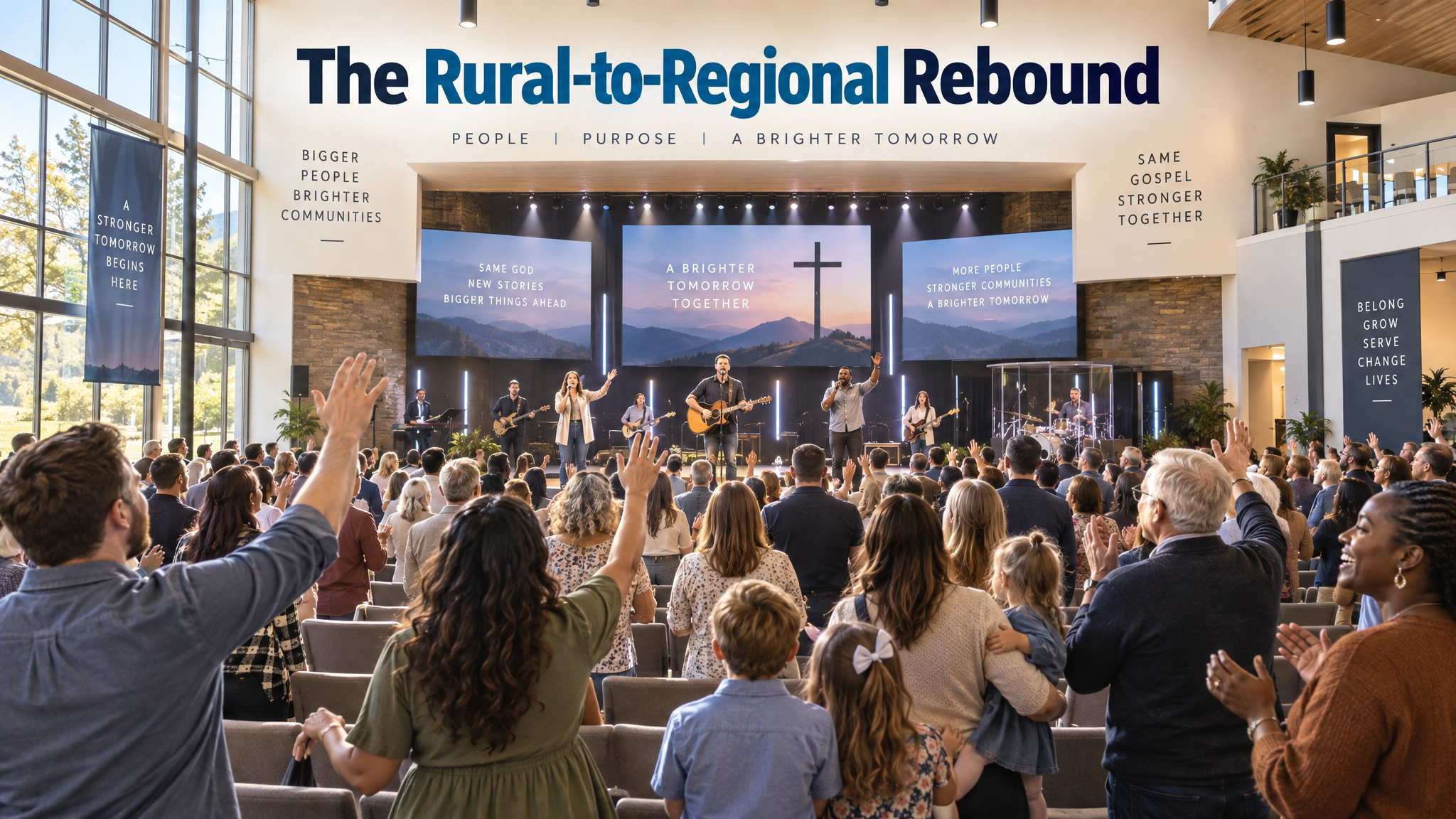
The Rural-to-Regional Rebound: A Case Study on Scaling Sustainable Church Growth Through Digital Integration at Northwood Community Church

Discipleship
The Discipleship Engine: A How-To Guide for Designing Scalable Micro-Group Ecosystems for Sustainable Spiritual Formation
Explore FaithBridge