The Volunteer Experience Architecture: A Deep-Dive into Designing Sustainable Engagement Systems for the Modern Church
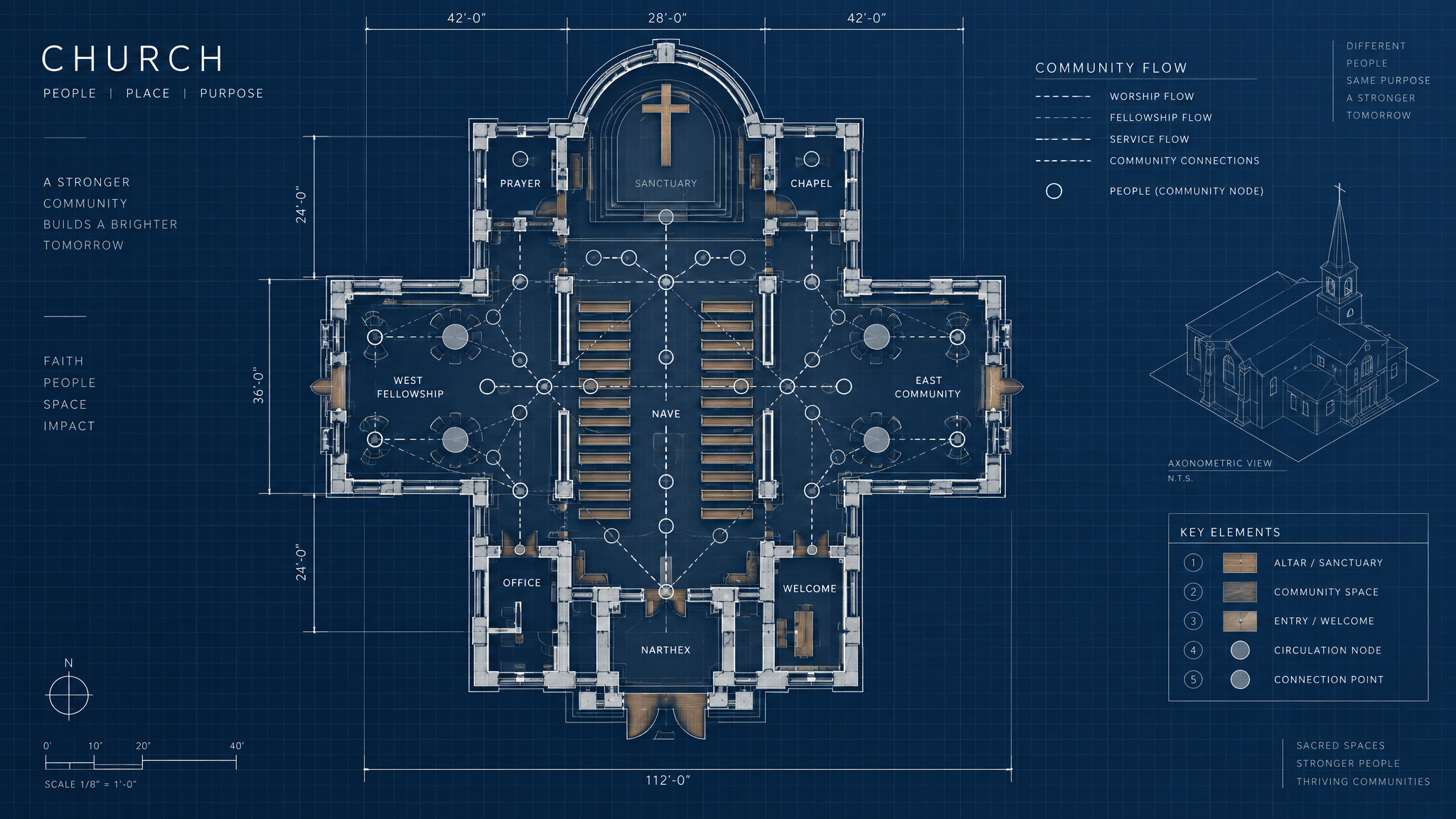
The Volunteer Experience Architecture: A Deep-Dive into Designing Sustainable Engagement Systems for the Modern Church
In the rapidly evolving landscape of the modern church, the traditional model of volunteer management is facing a critical inflection point. For decades, many congregations have relied on a "filling holes" strategy – a reactive approach that focuses on plugging gaps in rotas and schedules as they appear. However, as the demands on spiritual communities grow and the complexities of individual lives increase, this transactional method is no longer sustainable. Churches that continue to treat volunteers as mere labor resources often find themselves caught in a cycle of burnout, high turnover, and stagnant growth.
To move beyond this plateau, church leaders must adopt a new mindset: Volunteer Experience Architecture. This concept shifts the focus from managing tasks to designing a holistic, relational, and mission-driven ecosystem where volunteers don't just serve but thrive. By building sustainable systems that prioritize the volunteer's journey and spiritual growth, churches can create a culture of engagement that fuels long-term mission success.
The Core Pillar: From Task-Based to Mission-Driven
The foundation of a sustainable volunteer engagement system is a fundamental shift in perspective. Most churches view volunteerism through the lens of institutional need: "We need three more ushers for the 9:00 AM service." While the need is real, presenting it this way to potential volunteers frames the relationship as transactional. The volunteer provides time, the church receives labor, and the transaction is closed.
Volunteer Experience Architecture requires us to flip the script. Instead of starting with the task, we start with the mission and the volunteer’s calling. Every role within the church, regardless of how "operational" it may seem, must be directly linked to the transformative mission of the community.
Defining the 'Why' for Every Role
When an individual signs up to help in the parking lot or the coffee bar, they aren't just performing a logistical function. They are the first point of contact for a seeker who might be walking into a church for the first time in twenty years. They are architects of hospitality. By clearly defining the "why" behind every role, leaders can imbue even the smallest tasks with spiritual significance. This mission-driven approach creates a sense of purpose that sustains volunteers through the routine and demanding moments of service.
Aligning Passion with Placement
A deep-dive into sustainable systems also necessitates better alignment between a volunteer’s unique gifts and their placement within the ministry. A "one size fits all" approach to recruitment often leads to frustration. Sustainable architecture uses assessment tools and intentional conversations to ensure that an individual’s passion matches their responsibilities. When someone is serving in their "sweet spot," their energy is renewed by service rather than drained by it.
Designing the Journey: The Four Stages of the Volunteer Lifecycle
A well-architected volunteer experience isn't a single event; it’s a journey with distinct stages. Sustainable churches design systems that guide individuals through this lifecycle with intentionality and support.
1. Inclusion and Onboarding
The first stage is about moving from the periphery to the core. A sustainable system makes the path to involvement clear and frictionless. Relational-first onboarding focuses less on the technical details of the job and more on the values of the community and the support available to the newcomer. The goal is to make the volunteer feel seen, valued, and equipped from day one.
2. Integration and Mastery
Once a volunteer is active, the focus shifts to integration. This involves providing the resources and training necessary for them to succeed in their role. Sustainable architecture includes ongoing mentorship and "on-the-job" coaching. Mastery isn't just about doing the task well; it’s about the volunteer feeling confident and empowered to contribute their unique voice to the team.
3. Investment and Growth
A critical failure in many church systems is the lack of a growth path. Volunteers who feel stagnant are at high risk for burnout. Sustainable engagement systems build in opportunities for leadership development, skill acquisition, and spiritual formation. This doesn't necessarily mean moving into a staff role, but it does mean being given more responsibility, more influence, and more opportunities to mentor others.
4. Transition and Legacy
Finally, a truly sustainable system recognizes that every season of service eventually comes to an end. Rather than fearing transitions, architects of volunteer culture design "graceful exits" and "re-entry pathways." Whether a volunteer is stepping back to care for family or moving into a different area of ministry, the transition should be celebrated and the legacy of their service honored.
Technology as an Enabler: Scaling Personal Touch
One of the greatest challenges in scaling volunteer engagement is maintaining the "personal touch" as the community grows. This is where technology, when used as an architectural tool rather than a cold barrier, becomes indispensable.
Streamlining the Mundane
The most effective volunteer systems use technology to automate the administrative overhead that often weighs down ministry leaders. Features like automated scheduling, integrated communication channels, and centralized resource hubs allow leaders to spend less time on spreadsheets and more time in one-on-one relationships. By removing the friction from the "task" of volunteering, technology allows the "heart" of volunteering to shine.
Data-Driven Pastoral Care
Sophisticated church management systems also provide data that can inform better pastoral care for volunteers. For example, if a system flags that a normally consistent volunteer has missed three consecutive weeks of service, it’s not a signal for a disciplinary email; it’s a cue for a pastoral check-in. "We noticed you haven't been around, is everything okay?" This use of data ensures that no one falls through the cracks and that the health of the volunteer remains the priority.
The Leadership Pipeline: Investing in the Next Tier
A sustainable system cannot rest solely on the shoulders of the senior leadership or the volunteer director. To scale, the architecture must include a robust leadership pipeline that empowers mid-level volunteer leaders.
Defining 'Leaders of Leaders'
The most sustainable volunteer cultures are built on a "leaders of leaders" model. Instead of one person overseeing fifty volunteers, the system is designed with small teams led by "Team Leads" or "Coaches." These individuals provide the primary relational care and tactical support for a small group of volunteers. This decentralized approach ensures that every volunteer has a direct connection to a leader who knows their name and their story.
Continuous Development
Investing in these mid-level leaders is the most strategic use of a staff member's time. A sustainable architecture includes regular "huddles," leadership training sessions, and clear pathways for advancement within the leadership structure. When leaders are being poured into, they have the capacity to pour into others.
Conclusion: Building for the Long Haul
Designing a sustainable volunteer engagement system is not a quick fix; it is a long-term architectural project. It requires a shift from transactional management to relational leadership, from institutional needs to mission-driven purpose, and from reactive problem-solving to proactive journey design.
By focusing on the volunteer experience – by making it meaningful, supported, and growth-oriented – churches can build a foundation that not only sustains their current mission but also creates the capacity for future exponential growth. When we value the shepherd as much as the sheep, and the volunteer as much as the vision, we create a community that truly reflects the restorative heart of the Gospel.
Take the Next Step in Your Leadership Journey
Is your church ready to transition from a culture of "filling holes" to a sustainable architecture of volunteer engagement? FaithBridge is designed to empower church leaders with the tools, insights, and systems needed to build healthy, growing communities. From sophisticated volunteer management modules to data-driven ministry insights, FaithBridge helps you scale your mission without losing your heart. Discover how FaithBridge can transform your ministry today.
Frequently asked questions
What is Volunteer Experience Architecture?
It is a holistic approach to volunteer management that moves away from transactional task-filling toward designing relational, mission-driven pathways for long-term engagement.
Why is a shift from task-based to mission-driven service important?
Task-based service often leads to burnout and high turnover. Mission-driven service helps volunteers see the spiritual significance of their roles, leading to higher satisfaction and retention.
How can technology support volunteer engagement in a local church?
Technology should automate administrative burdens (like scheduling and communication) so leaders can focus more on one-on-one relationships and pastoral care.
What are the four stages of the volunteer lifecycle?
The stages are: Inclusion and Onboarding, Integration and Mastery, Investment and Growth, and finally, Transition and Legacy.
Related articles

Volunteer Engagement
Application-Based vs. Invitation-Only: A Strategic Comparison of Volunteer Recruitment Models for High-Growth Churches

Volunteer Engagement
The Volunteer Velocity Framework: 8 Best Practices for Scaling High-Impact Service Teams in a Digital-First Ministry
Church Growth
The Rural-to-Regional Rebound: A Case Study on Scaling Sustainable Church Growth Through Digital Integration at Northwood Community Church
Explore FaithBridge