The Community Conduit: A How-To Guide for Scaling Sustainable Church Outreach Through Collaborative Ecosystems
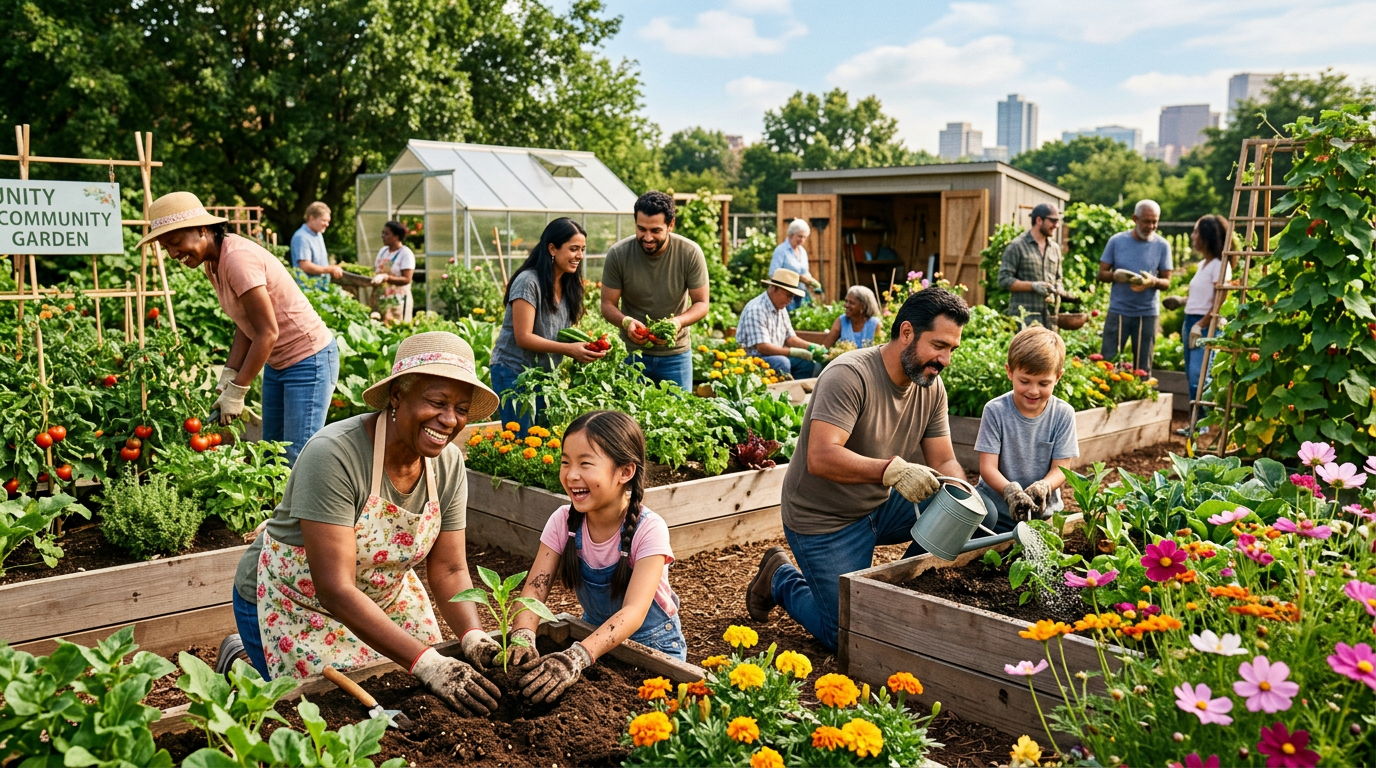
The Community Conduit: A How-To Guide for Scaling Sustainable Church Outreach Through Collaborative Ecosystems
In the modern landscape of ministry, the traditional model of isolated church outreach is increasingly giving way to a more integrated, symbiotic approach. For high-capacity church leaders, the challenge is not just "doing good" in the community, but architecting systems that are sustainable, scalable, and deeply impactful. The "Community Conduit" model represents a shift from being a sole service provider to becoming an orchestrator of collaborative ecosystems. This guide provides a strategic framework for designing and scaling an outreach infrastructure that bridges the gap between the sanctuary and the streets.
The Shift from Programs to Ecosystems
Most churches operate outreach as a series of disconnected programs—a food pantry here, a seasonal toy drive there. While meaningful, these programs often exist in silos, creating high administrative overhead and limited long-term transformation. To scale outreach, leaders must transition to an ecosystem mindset.
Understanding the Ecosystem Model
An outreach ecosystem is a network of local stakeholders—non-profits, government agencies, local businesses, and other faith-based organizations—working together toward shared community goals. By positioning your church as a conduit rather than the destination, you leverage external expertise and resources, allowing your ministry to scale its impact without an equivalent increase in internal staff or budget.
The Problem with Vertical Integration
In business, vertical integration involves owning every part of the supply chain. In ministry, trying to "own" every solution to a community problem (e.g., starting your own medical clinic, job training center, and low-income housing) often leads to organizational bloat and mission creep. A conduit-based approach favors horizontal collaboration, where the church provides the spiritual engine and the volunteer mobilization, while partners provide the specialized infrastructure.
Step 1: Architecting the Asset-Based Community Map
Before launching new initiatives, a scalable outreach strategy begins with a thorough audit of existing community assets. This is known as Asset-Based Community Development (ABCD).
Identifying Internal Assets
Start by cataloging the unique skills, facilities, and financial resources within your congregation. High-capacity members often possess specialized expertise—legal, financial, medical, or technological—that can be mobilized as a strategic asset. FaithBridge's stewardship tools can help you track these non-financial contributions alongside traditional tithing, providing a holistic view of your church's capacity.
Mapping External Stakeholders
Who else is already working on the problems you care about? Identify the "positive outliers" in your city—organizations that are already seeing success. Your goal is to identify gaps where your church can add value, such as providing a consistent volunteer pipeline or hosting space for partner meetings.
Step 2: Designing Scalable Volunteer Pipelines
The bottleneck for most outreach is not a lack of vision, but a lack of consistent, prepared people. A scalable system requires a "plug-and-play" volunteer experience.
The Low-Friction Entry Point
Design your outreach systems so that a new member can get involved with minimal friction. This might look like a "First-Step Saturday" where volunteers perform simple tasks under mature leadership. Digital onboarding systems, like those integrated with FaithBridge, allow for rapid background checks, training video delivery, and scheduling, ensuring that your people are ready to serve the moment their passion is ignited.
The Leadership Ladder
Scaling requires decentralization. As your outreach grows, you must empower "Outreach Captains" who manage specific sectors of the ecosystem. These leaders aren't just doing the work; they are managing the conduit. Sustainable growth depends on your ability to replicate leadership faster than you expand programs.
Step 3: Leveraging Data for Sustainable Impact
In a data-driven world, anecdotal success is no longer sufficient. To attract high-capacity partners and donors, your outreach must demonstrate measurable outcomes.
Defining Key Performance Indicators (KPIs)
Move beyond "vanity metrics" like the number of hot meals served. While important for immediate relief, they don't necessarily reflect long-term community flourishing. Instead, track metrics like "graduation rates from job training programs" or "reduction in local school absenteeism." FaithBridge's analytics dashboard allows you to correlate outreach engagement with overall congregational health, giving you a 360-degree view of your impact.
Feedback Loops and Iteration
A scalable system is a learning system. Establish regular feedback loops with both your community partners and your volunteers. Use this data to iterate on your processes. If a particular partnership is absorbing a disproportionate amount of staff time for minimal impact, you must have the courage to transition those resources to a more fertile area of the ecosystem.
Step 4: Funding the Conduit Through Strategic Stewardship
Scaling outreach requires a robust and diversified funding model. Traditional passing of the plate is often insufficient for large-scale community transformation.
The Case for "Outreach-Specific" Giving
High-capacity donors are often motivated by the "ROI" of their kingdom investment. By creating specific, transparent funds for major outreach initiatives, you allow donors to see the direct connection between their gift and a community outcome. Use FaithBridge to provide real-time updates and impact reports to these donors, fostering a culture of radical transparency.
Grant Writing and Corporate Partnerships
As your outreach systems become more professionalized and data-centric, you become eligible for grants and corporate social responsibility (CSR) funds. A well-organized outreach ecosystem is an attractive partner for local businesses looking to make a difference. This external funding allows your internal tithes to focus on spiritual formation and core operations while outreach impact continues to scale.
Conclusion: The Resilient Church in the Modern City
Scaling church outreach is not about doing more; it’s about architecting better. By transitioning to a "Community Conduit" model, you move away from the fragility of isolated programs toward the resilience of collaborative ecosystems. This approach doesn't just meet physical needs—it positions the church as the indispensable spiritual heart of the community.
As you look to the future, remember that the most scalable resource you have is the Gospel. When your outreach systems are designed to reflect the kingdom of God—full of grace, order, and collaborative unity—your impact will naturally expand far beyond the walls of your building.
Take the Next Step with FaithBridge
Are your outreach systems ready to scale? FaithBridge provides the unified technology infrastructure you need to manage volunteers, track community impact, and foster radical generosity. From digital onboarding to data-driven reporting, we help you build the conduit your city needs.
Visit FaithBridge.app today to schedule a demo and see how we can empower your mission.
Frequently Asked Questions
Q: How do we choose which community partners to work with? A: Look for alignment in mission and values, but also for operational excellence. A good partner should be transparent with their data and have a proven track record of impact in their specific niche.
Q: What if our congregation feels overwhelmed by the scale of the need? A: Start small by focusing on one specific "Neighborhood Nexus." By achieving a measurable win in one area, you build the confidence and momentum necessary to scale across the whole city.
Q: How does technology actually help with outreach? A: Technology like FaithBridge removes administrative friction. It automates scheduling, tracks volunteer hours, and aggregates data, allowing your leadership to focus on relationships rather than spreadsheets.
Q: Can a small church use the "Community Conduit" model? A: Absolutely. In fact, small churches are often better conduits because they must rely on partnerships to achieve scale. It’s about your mindset, not your headcount.
Frequently asked questions
How do we choose which community partners to work with?
Look for alignment in mission and values, but also for operational excellence. A good partner should be transparent with their data and have a proven track record of impact in their specific niche.
What if our congregation feels overwhelmed by the scale of the need?
Start small by focusing on one specific "Neighborhood Nexus." By achieving a measurable win in one area, you build the confidence and momentum necessary to scale across the whole city.
How does technology actually help with outreach?
Technology like FaithBridge removes administrative friction. It automates scheduling, tracks volunteer hours, and aggregates data, allowing your leadership to focus on relationships rather than spreadsheets.
Can a small church use the "Community Conduit" model?
Absolutely. In fact, small churches are often better conduits because they must rely on partnerships to achieve scale. It’s about your mindset, not your headcount.
Related articles

Community Outreach
Beyond the Breadline: 12 Best Practices for Architecting Sustainable Community Empowerment Ecosystems in High-Growth Churches
Community Outreach
Event-Based Outreach vs. Presence-Based Incarnation: A Strategic Comparison for Scaling Sustainable Neighborhood Transformation
Church Growth
The Rural-to-Regional Rebound: A Case Study on Scaling Sustainable Church Growth Through Digital Integration at Northwood Community Church
Explore FaithBridge