The Neighborhood Nexus: A Case Study on Architecting Scalable Cross-Sector Partnerships for Sustainable Community Restoration
Introduction
In the heart of modern urban ministry, the challenge of community outreach is shifting from temporary relief to sustainable restoration. Many churches find themselves trapped in a cycle of "random acts of kindness"—noble efforts that provide immediate aid but fail to address the systemic roots of neighborhood distress. The question facing today’s church leaders is not whether to help, but how to architect systems that scale impact without diluting the Gospel or depleting congregational resources.
This case study examines the "Neighborhood Nexus" model implemented by Grace City Fellowship, a mid-sized congregation that successfully transformed its outreach from a series of disconnected programs into a scalable, cross-sector partnership engine. By leveraging digital infrastructure and strategic collaboration, they moved from providing 500 meals a month to facilitating a multi-million dollar community development initiative that revitalized three city blocks.
The Problem: The Outreach Plateau
Grace City Fellowship had always been a "doing" church. They had a food pantry, a clothing drive, and a seasonal tutoring program. However, by 2024, they hit what lead pastor David Miller called the "Outreach Plateau." Despite increasing their outreach budget by 15% annually, the measurable impact on local poverty and recidivism rates remained flat.
The internal data revealed a troubling trend:
- Volunteer Fatigue: The same 10% of the congregation was performing 90% of the service hours.
- Information Silos: The food pantry team didn't know which families were also part of the tutoring program, leading to redundant efforts.
- Resource Fragmentation: Significant funds were spent on logistics and storage rather than direct community empowerment.
They realized that to move the needle, they needed to stop acting as a solo provider and start acting as a community catalyst.
The Strategy: Architecting the Neighborhood Nexus
The transition required a fundamental shift in perspective. Instead of asking, "What can our church do for the neighborhood?" they began to ask, "Who else is already working in this neighborhood, and how can we connect them?"
Phase 1: Identifying High-Leverage Partners
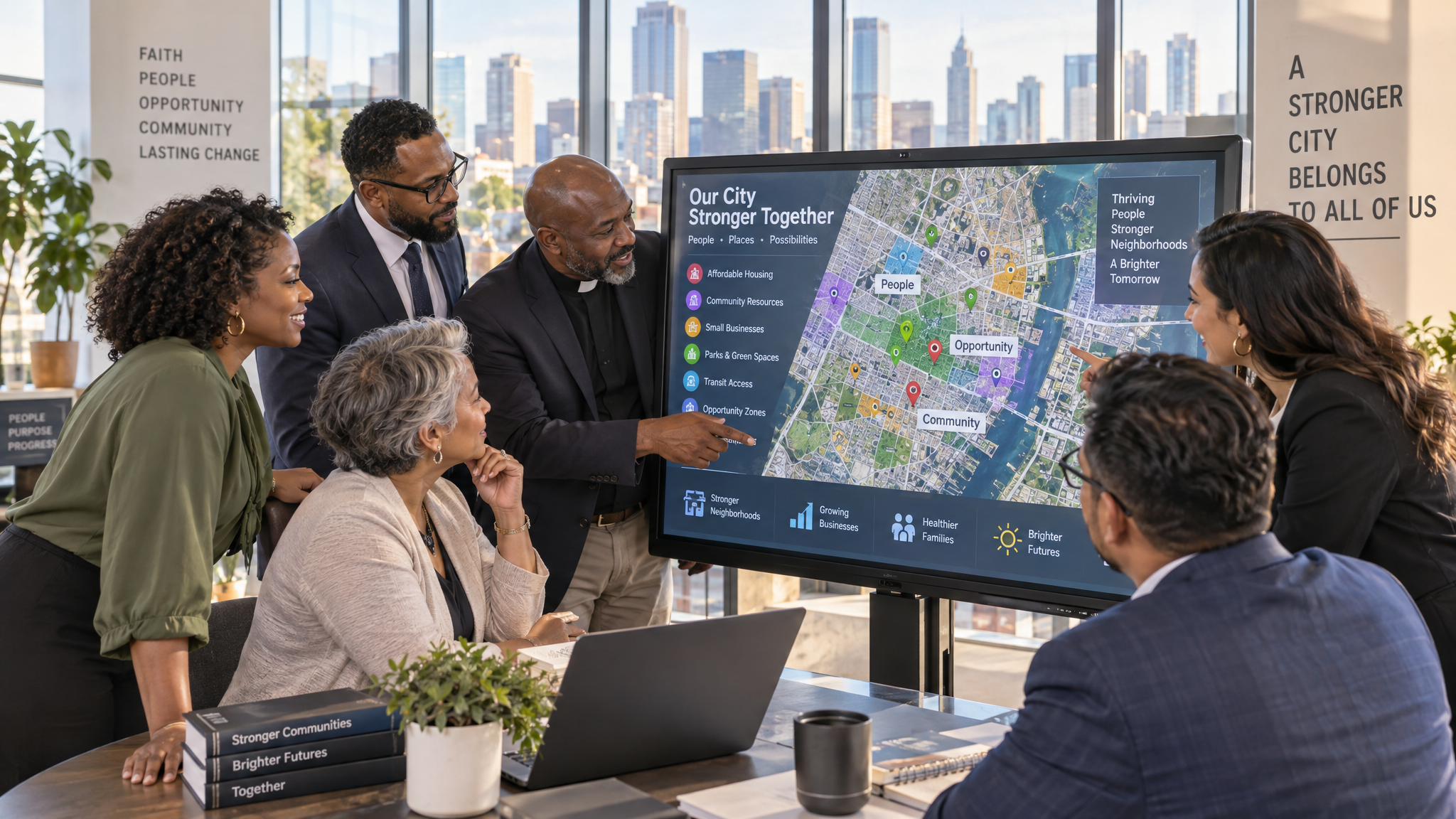
The leadership team conducted a six-month "Community Asset Map." They identified local non-profits, government agencies, and even small businesses that shared their vision for community health. They looked for partners who possessed specialized expertise that the church lacked—such as vocational training, mental health services, and affordable housing legalities.
Phase 2: Building the Digital Infrastructure
To manage these partnerships, Grace City invested in a unified data platform. This "Nexus Dashboard" allowed partner organizations to share (with consent) the progress of individuals they were collectively serving. This eliminated the "round-robin" of referral slips and allowed for a holistic view of each family's journey toward stability.
Phase 3: The Cross-Sector Pilot
The first major collaboration focused on local unemployment. Grace City provided the space and the relationship-driven mentors (volunteers), a local vocational college provided the curriculum, and a major regional employer provided guaranteed interviews for graduates.
The Results: Impact at Scale
Within two years, the Neighborhood Nexus model produced results that far exceeded the church's previous solo efforts:
- Economic Restoration: 142 local residents were placed in high-paying trade jobs, resulting in a $4.8M boost to the local economy.
- Systemic Health: Recidivism among the program's participants dropped by 60% compared to city averages.
- Congregational Revitalization: Volunteer participation jumped from 10% to 45%. Members weren't just "handing out bags"; they were building long-term relationships as mentors and career coaches.
The Role of Technology in Sustainable Outreach
One of the most critical lessons from Grace City is that sustainable outreach requires robust technology. Without the digital orchestration of the "Nexus Dashboard," the partnerships would have collapsed under the weight of administrative friction.
By using FaithBridge to manage their volunteer pipelines and integrate with community partner data, Grace City was able to:
- Automate Volunteer Onboarding: Reducing the time from "interest" to "impact" by 70%.
- Track Real-Time Outcomes: Moving from "number of meals served" to "number of lives stabilized."
- Scale Communication: Keeping hundreds of partners and volunteers aligned through automated updates and personalized impact reports.
Conclusion
The "Neighborhood Nexus" proves that the church's greatest strength in community outreach is not its budget, but its unique position as a trust-building institution. When a church provides the relational glue and the technological backbone for cross-sector partnerships, it creates a force for restoration that no single organization can achieve alone.
For church leaders feeling the weight of the Outreach Plateau, the path forward is clear: architect for collaboration. Stop trying to be the whole solution and start being the connection point where the neighborhood's assets meet its deepest needs.
Take the Next Step with FaithBridge
Is your church ready to move from programs to partnerships? Scaling community impact requires more than just a big heart—it requires a strategic system. FaithBridge provides the church management and outreach tools you need to architect a sustainable culture of restoration.
Experience how FaithBridge can help you scale your ministry impact. Learn more and start your free trial today.
Frequently asked questions
What is the Neighborhood Nexus model?
It is a framework where a church acts as a central hub connecting local non-profits, government agencies, and businesses to address community needs holistically.
Why is technology important for outreach?
Digital infrastructure reduces administrative friction and allows for real-time tracking of outcomes across multiple partner organizations.
How does this model help with volunteer fatigue?
By focusing on high-impact, relationship-driven roles rather than just logistical tasks, volunteers feel more connected to the mission and are more likely to stay engaged.
Can small churches implement this?
Yes, the focus is on collaboration rather than budget, making it accessible to congregations of any size.
Related articles
Community Outreach
Beyond the Breadline: 12 Best Practices for Architecting Sustainable Community Empowerment Ecosystems in High-Growth Churches
Community Outreach
Event-Based Outreach vs. Presence-Based Incarnation: A Strategic Comparison for Scaling Sustainable Neighborhood Transformation
Church Growth
The Rural-to-Regional Rebound: A Case Study on Scaling Sustainable Church Growth Through Digital Integration at Northwood Community Church
Explore FaithBridge