The Strategic Neighbor: A Deep-Dive into Architecting Church-Public Partnerships for Scaling Sustainable Community Resilience
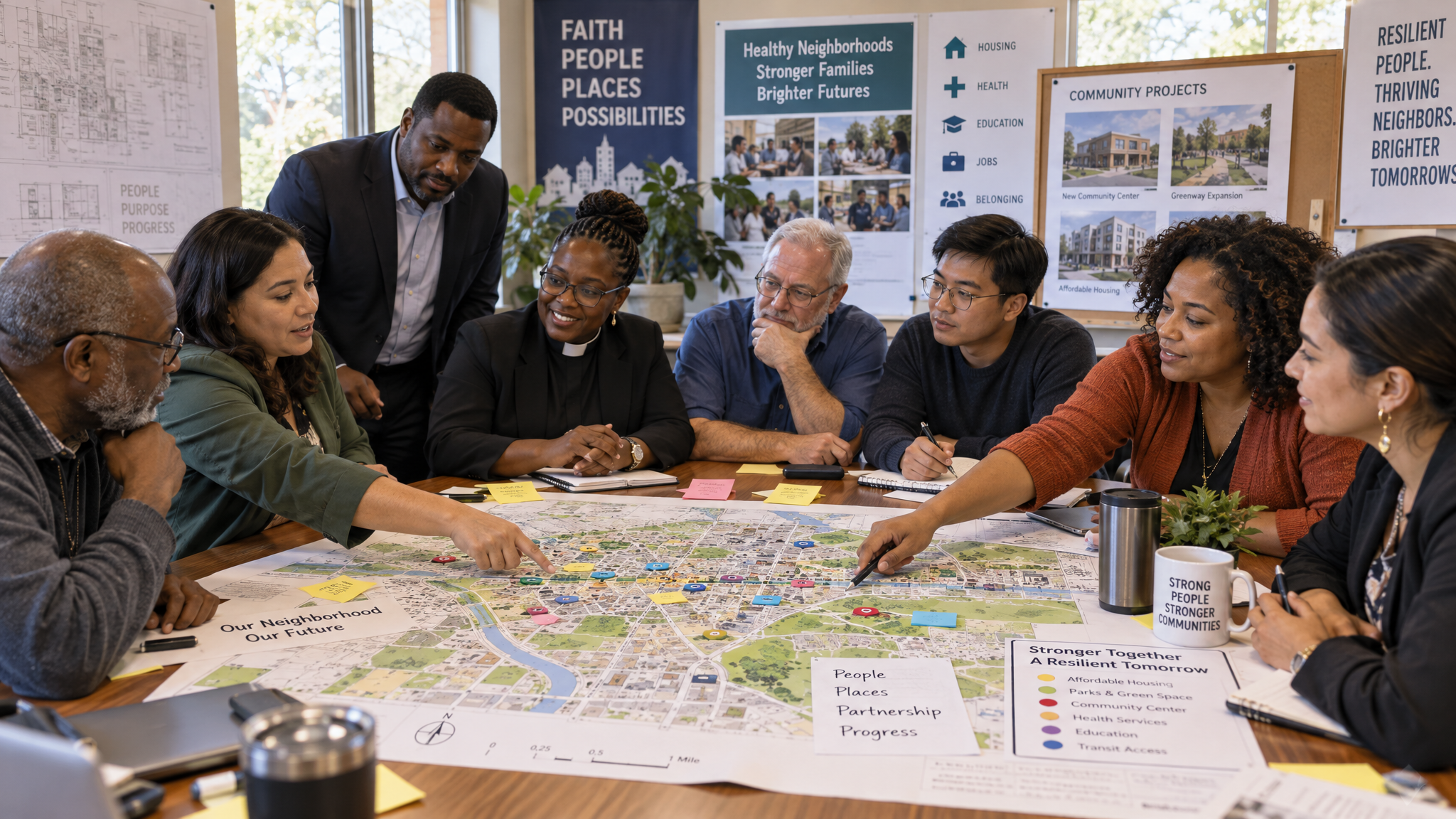
The Strategic Neighbor: A Deep-Dive into Architecting Church-Public Partnerships for Scaling Sustainable Community Resilience
Effective community outreach in the modern era has evolved beyond the boundaries of the church parking lot. As urban and suburban challenges grow in complexity—spanning housing instability, food insecurity, and public health disparities—the local church finds itself at a critical juncture. The days of "silent service" in isolation are transitioning into an era of strategic collaboration. To achieve true scalability and sustainable impact, leading ministries are now architecting sophisticated church-public partnerships.
This deep-dive explores the systemic framework required to build and sustain these collaborations. By aligning the spiritual mandate of the Great Commission with the civic mandates of public institutions, churches can unlock unprecedented resources, credibility, and reach, transforming from isolated benevolent actors into essential pillars of community resilience.
The Theology of Proximity: Why Public Partnerships Matter
The biblical call to love our neighbors and seek the peace of the city (Jeremiah 29:7) provides the moral foundation for civic engagement. However, the "how" of this engagement is where many ministries struggle. Traditional models often focus on relief—meeting immediate needs through food pantries or clothes closets. While vital, these models are frequently reactive and siloed from the broader civic ecosystem.
Architecting a church-public partnership shifts the focus from relief to resilience. It acknowledges that the complexities of systemic poverty and social fragmentation cannot be solved by one entity alone. Public institutions (municipal governments, schools, health departments) possess data, jurisdictional authority, and long-term funding. Churches possess trust, social capital, and local volunteer mobilization. When these two ecosystems intersect, the result is a scalable engine for community transformation.
Bridging the Trust Gap
One of the primary hurdles in church-public partnerships is the perceived divide between "secular" and "sacred" objectives. However, the most successful collaborations are built on shared outcomes rather than shared dogma. A city council and a local church can both agree that reducing homelessness is a priority. By focusing on these shared outcomes, the church earns a seat at the table, transforming its role from a service provider to a strategic stakeholder.
Defining the Architecture of Collaboration
A sustainable partnership is not formed by a handshake; it is built through structural integration. This architecture requires three primary components: Data Interoperability, Resource Alignment, and Relational Governance.
1. Data Interoperability: Moving Beyond Anecdotes
To scale impact, churches must speak the language of the public sector: data. Public agencies operate on metrics—crime rates, graduation percentages, and health outcomes. To align, churches must move beyond anecdotal success stories and implement systems that track objective markers of community health.
Systemic resilience is built when a church can demonstrate, through data, that its mentorship program contributed to a 10% decrease in local truancy. This level of reporting creates a "feedback loop of credibility" that encourages public agencies to invest more resources, whether through grants, land use agreements, or joint programs.
2. Resource Alignment: The Multiplier Effect
Resource alignment involves more than just money; it involves the strategic deployment of assets. Churches often have underutilized facilities during the week, while public agencies lack spaces for community clinics or adult education.
By architecting a facility-sharing agreement, a church can host a municipal health clinic, immediately increasing the "proximity" of professional care to the neighborhood. In return, the public agency provides the professional staff and liability coverage, while the church provides the welcoming environment and the volunteer navigators who help neighbors access the service.
3. Relational Governance: Ensuring Long-Term Stability
Partnerships often fail when key leaders transition. To scale sustainably, the governance of the partnership must be institutionalized. This involves creating Memorandums of Understanding (MOUs) that define roles, responsibilities, and dispute resolution mechanisms. It also means establishing a "Coordinating Council" composed of both church and public leaders who meet regularly to review outcomes and strategy.
Scaling Through Specialized Pipelines
Once the architecture is in place, the partnership can manifest in specialized pipelines targeting specific community needs.
The Educational Pipeline: Church-School Syndication
Local schools are often the heart of community struggle. A strategic partnership here involves more than just donating backpacks. It involves "adopting" a school through a formal agreement with the district, providing consistent mentorship, after-school programming, and teacher support. When a church integrates its volunteer base into the school's social-emotional learning goals, the impact scales from individual students to the entire campus climate.
The Health and Wellness Pipeline: Mobile and Embedded Care
Collaborating with county health departments allows churches to become "health hubs." This can range from hosting mobile dental vans to embedding permanent mental health counselors within the church offices. The public agency brings the clinical expertise, and the church brings the "dignity-first" approach that reduces the stigma of seeking help.
The Economic Development Pipeline: Vocational Synergy
True community resilience requires economic stability. Partnerships with local workforce development boards can turn church computer labs into satellite job centers. By providing professional job coaching and soft-skills training in a familiar, trusted environment, churches can help neighbors transition from dependency to self-sufficiency, reducing the long-term strain on public welfare systems.
Navigating the Challenges of Intersection
Working with public institutions brings unique challenges, particularly regarding regulations and religious expression.
Maintaining Identity While Partnering
Churches often fear that public partnerships will require them to compromise their spiritual mission. However, most public agencies are primarily concerned with the efficacy of the service. The key is "Clear Boundaries, Integrated Hearts." The church must be clear about its spiritual identity, while being equally clear that its public services are available to all, regardless of faith, in accordance with public non-discrimination standards.
Overcoming Bureaucratic Friction
The speed of the church and the speed of the government are often at odds. Churches are agile and mission-driven; public agencies are procedural and risk-averse. Managing this friction requires "Patience-Based Persistence." It involves building long-term relationships with mid-level bureaucrats who handle the day-to-day operations, not just the high-level politicians.
The Future of the Strategic Neighbor
As we look toward the future of church management and community impact, the "Strategic Neighbor" model will become the standard for high-impact ministries. The ability to architect, lead, and sustain these partnerships is no longer a luxury—it is a requirement for any church seeking to be a catalyst for restoration in its city.
By moving from a posture of isolation to one of integration, the local church can leverage its unique social capital to build a more resilient community. This is not just effective outreach; it is the modern manifestation of being a "city on a hill" (Matthew 5:14)—a visible, integrated, and essential part of the community’s flourishing.
Conclusion: Starting the Conversation
The journey toward a strategic church-public partnership begins with a single question: "How can we help?" When church leaders approach the mayor, the principal, or the health director with a posture of service rather than a demand for influence, doors open.
By building the systems—data, resources, and governance—necessary to support these collaborations, your church can move beyond temporary relief and start architecting permanent resilience. The city is waiting for the church to take its place as a strategic neighbor.
Ready to Scale Your Church’s Impact?
Building sustainable community outreach requires more than just vision—it requires the right tools to manage the complexity of partnerships, volunteers, and data. FaithBridge is designed specifically to help modern churches scale their operations, integrate their data, and focus on what matters most: ministry.
[Try FaithBridge Today and transform your community impact.]
Frequently asked questions
What is a church-public partnership?
A church-public partnership is a strategic collaboration between a local church and public institutions like municipal governments, schools, or health departments to address complex community challenges.
How can churches maintain their spiritual identity in these partnerships?
Churches can maintain their identity by being clear about their spiritual mission while ensuring that public services are accessible to all people regardless of their faith, adhering to non-discrimination standards.
What is data interoperability in the context of church outreach?
It refers to the church's ability to track and report objective metrics (like truancy rates or health outcomes) that align with the goals and reporting standards of public agencies.
Why is relational governance important for long-term collaboration?
Relational governance institutionalizes the partnership through formal agreements (MOUs) and coordinating councils, ensuring the collaboration survives changes in leadership.
Related articles

Community Outreach
Beyond the Breadline: 12 Best Practices for Architecting Sustainable Community Empowerment Ecosystems in High-Growth Churches
Community Outreach
Event-Based Outreach vs. Presence-Based Incarnation: A Strategic Comparison for Scaling Sustainable Neighborhood Transformation
Church Growth
The Rural-to-Regional Rebound: A Case Study on Scaling Sustainable Church Growth Through Digital Integration at Northwood Community Church
Explore FaithBridge